
Urinary Blockage in Cats: Symptoms, Treatment and What to Do
 The Pet Vet Team
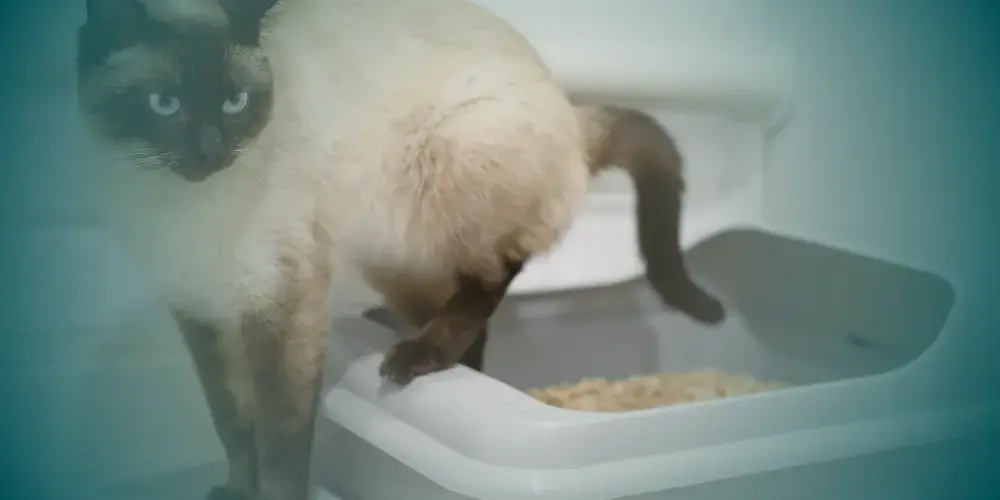
A cat straining in the litter box with little or no urine coming out is one of the clearest emergencies in feline medicine — untreated, it can become fatal within 24 to 48 hours.
What Is a Urinary Blockage in Cats?
A urinary blockage, also called a urethral obstruction, means a cat's bladder can no longer empty because something is preventing urine from passing through the urethra. This overwhelmingly affects male cats, since the male urethra is considerably narrower than the female one, making it far more prone to becoming blocked.
Unless corrected quickly, the consequences escalate fast: kidney failure, a ruptured bladder, and dangerous electrolyte shifts that can affect the heart are all possible. This is exactly why any suspected blockage is treated as a genuine emergency in veterinary medicine, not something to monitor and see how it develops.
What Causes Urinary Blockage in Cats?
Urethral plugs — a mix of crystals and mucus the body forms — are the most common cause in male cats, lodging in the narrow urethra and physically preventing urine from passing. Bladder stones can also migrate from the bladder and become stuck in the urethra, producing the same effect.
Less commonly, urethral narrowing (stricture) or tumors can cause obstruction. In up to half of cases, no single definitive cause is ever identified, though inflammation appears to play a meaningful role regardless. Cats that don't drink enough water, and those carrying excess weight, both face somewhat higher risk, though any breed can be affected.
Signs and Symptoms to Watch For
The clearest sign is straining to urinate with little or no urine actually coming out — this is sometimes mistaken for constipation, since the posture can look similar.
Other signs include:
- Frequent trips to the litter box, often producing tiny amounts each time
- Blood in the urine
- Crying or vocalizing while trying to urinate
- Urinating outside the litter box
- Licking the genital area repeatedly
- Lethargy, hiding, or reduced appetite
- Vomiting
One important nuance: a blocked cat can sometimes still seem alert and act relatively normal in other ways, even while dangerously blocked. Don't wait for a cat to "seem sick enough" before acting — straining with little or no output is the defining sign, regardless of how normal your cat otherwise appears.
Is It Possible for a Cat to Pass a Urinary Blockage on Its Own?
No, and this is important to be direct about. A true urethral obstruction doesn't resolve on its own — the physical blockage, whether from a plug, stone, or swelling, needs to be relieved by a veterinarian. Waiting to see if it clears up by itself only allows dangerous toxins and electrolytes to keep building in the bloodstream.
This is different from milder urinary tract irritation (sometimes called FLUTD or feline idiopathic cystitis), which can sometimes improve with time and supportive care. The distinguishing factor is whether urine is actually coming out at all — if it isn't, or only in tiny amounts, this needs emergency treatment rather than a wait-and-see approach.
How Long Does a Blockage Last, and How Fast Can It Turn Fatal?
Without treatment, this progresses seriously fast. Life-threatening complications can develop within as little as 24 hours of a cat being unable to urinate at all, and death from an untreated blockage can occur within 24 to 48 hours. There's no safe window to wait and monitor once a true blockage is suspected.
This rapid timeline is exactly why "let's see how he does overnight" is one of the riskier responses an owner can have to these symptoms. The sooner the obstruction is relieved, the better the chances of avoiding kidney damage or more serious complications.
How Can I Help My Cat With a Urinary Blockage?
The single most important thing you can do is get your cat to a vet immediately — there's no safe or effective way to relieve a blockage at home, and attempting to do so risks serious injury like a torn urethra or ruptured bladder. Don't try home remedies, pressure on the abdomen, or wait to see if your cat manages to urinate given more time.
While you're getting your cat to the clinic, try to keep them calm and avoid additional stress, and don't offer food if you suspect anesthesia may be needed soon. Beyond that, your role is really just to act quickly — the actual relief of the blockage has to happen under veterinary care.
How Vets Diagnose a Blockage
Diagnosis typically starts with a physical exam, including gently feeling the bladder through the abdomen. A blocked cat's bladder feels firm and large, often described as feeling like a small hard ball, and is usually painful to the touch — a sharp contrast to a normal, soft, small bladder.
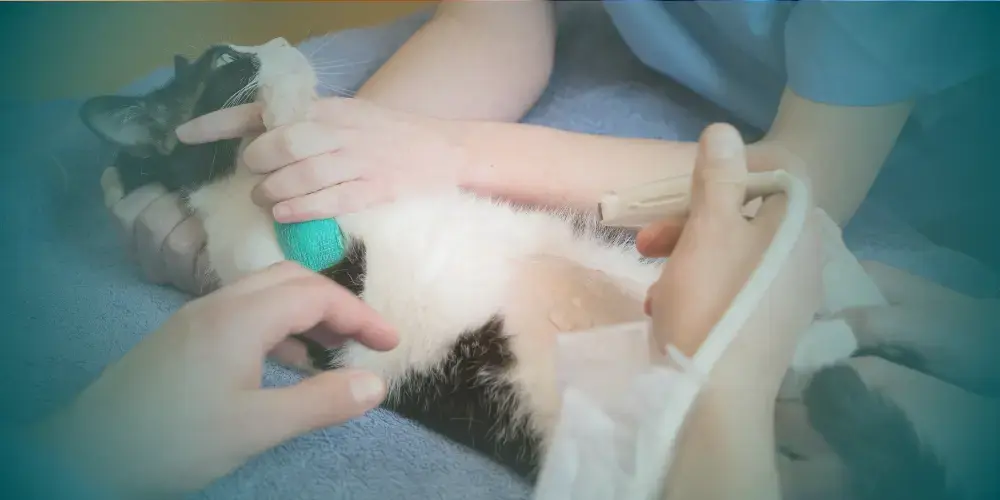
If a cat is overweight or too distressed to examine comfortably, additional tests like an abdominal ultrasound, X-ray, or bloodwork may be used to confirm the diagnosis and assess how significantly electrolytes and kidney values have been affected by the obstruction.
How Vets Treat a Urinary Blockage
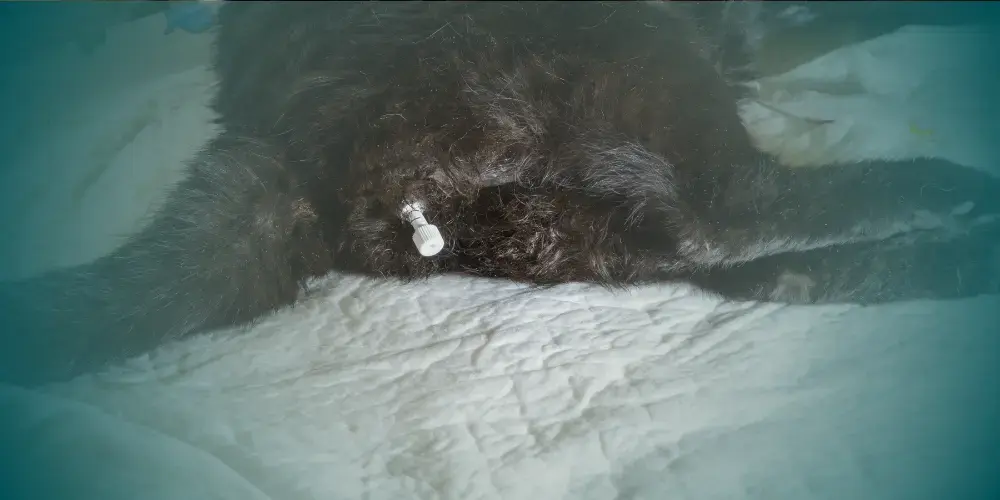
Treatment involves placing a urinary catheter under sedation or anesthesia to relieve the obstruction and allow the bladder to drain. This can be technically challenging, with some risk of complications like urethral tears, but most cats are successfully unblocked, and the catheter is typically left in place for three to five days.
Cats with dangerously elevated potassium are treated to protect the heart while the catheter does its work, and hospitalization includes pain relief, IV fluids, and often antibiotics. If bladder stones are present, or a cat has had repeated blockages, surgery — either to remove stones or, in select cases, a procedure to widen the urethra permanently — may be recommended.
Can Cats Recover, and What About Euthanasia?
This is an understandably difficult question to sit with, and it deserves an honest answer. The great majority of cats treated promptly for a urinary blockage recover fully and go on to live normal lives, often with some dietary changes to reduce future risk. A single blockage, treated in time, is not typically a reason to consider euthanasia.
Euthanasia becomes a genuine conversation in narrower circumstances — repeated blockages despite management, severe complications like a ruptured bladder or advanced kidney failure, or situations where ongoing treatment simply isn't sustainable for a family. If you're facing this decision, please talk it through openly with your vet; they can walk you through your specific cat's prognosis and options rather than leaving you to weigh this alone.
Preventing Future Blockages
Fresh water availability matters enormously — cat water fountains often encourage cats to drink more than a still bowl does, and increased water intake genuinely helps dilute urine and reduce crystal formation. A prescription urinary diet, recommended by your vet, is often continued long-term after a first blockage to help manage urine pH and prevent recurrence.
Keeping your cat at a healthy weight, reducing household stress (calming pheromone diffusers can help in multi-cat or high-stress homes), and attending regular wellness checks all contribute meaningfully to lowering future risk. If your cat has more than one blockage episode, it's worth having a direct conversation with your vet about surgical options to reduce the chance of it happening again.

A Quick Word From Our Team
If your cat is straining in the litter box with little or no urine coming out, please don't wait to see if it resolves — this is one of the clearest emergencies in feline medicine. Contact The Pet Vet Veterinary Clinic in Nad Al Hamar immediately so we can assess and treat your cat right away. Acting quickly genuinely makes the difference here.
Frequently asked questions
How much does treating a urinary blockage cost in Dubai?
Costs vary depending on severity, hospitalization length, and whether surgery is needed, with straightforward cases costing less than those requiring extended ICU care or a surgical procedure. Your vet can give you a clearer estimate once your cat has been assessed and stabilized.
Can female cats get urinary blockages too?
It's much less common, since the female urethra is wider and less prone to obstruction, but it isn't impossible, particularly with larger bladder stones. Female cats showing straining or blood in the urine still deserve prompt veterinary evaluation.
Will my cat need a special diet for the rest of their life after a blockage?
Often, yes. A prescription urinary diet is frequently recommended long-term to help manage urine pH and reduce the risk of future crystal or stone formation, alongside other supportive measures like increased water intake.
How soon after treatment can a cat go home?
Most cats are hospitalized for three to five days while the urinary catheter stays in place, followed by a period of monitoring once it's removed to confirm they're urinating normally on their own before discharge.
Is surgery to widen the urethra a permanent fix?
It significantly reduces the risk of future physical blockages in that specific location, but it doesn't address underlying bladder inflammation or prevent all future urinary symptoms. Your vet can discuss whether this procedure is appropriate for your cat's specific history.
Written by
The Pet Vet Team
Subscribe to Our Newsletter
Sign up for weekly pet health tips and insights from our veterinarians.