
Lily Poisoning in Cats: Symptoms, Treatment and Prevention
 The Pet Vet Team
A vase of lilies might seem like an innocent gift, but for cats, they're one of the most dangerous plants in the home — even a lick of pollen or a sip of vase water can trigger fatal kidney failure. This guide from The Pet Vet in Nad Al Hamar explains why lilies are so toxic to cats specifically, what symptoms to watch for, and why every minute matters if exposure is suspected.

Why Lilies Are So Dangerous to Cats
Lilies are among the most commonly gifted flowers in Dubai, showing up in bouquets for weddings, Eid, housewarmings, and hotel lobby arrangements throughout the year — which makes their toxicity to cats especially worth knowing about. Every part of the plant is dangerous: petals, leaves, stems, and pollen all contain compounds that can trigger rapid kidney failure in cats.
What sets this apart from most plant toxicities is how little exposure it takes. Cats are uniquely sensitive to true lilies in a way dogs simply aren't, and the damage can escalate within hours of even minor contact. This isn't a "watch and see" situation — it's one of the more genuine emergencies in feline veterinary medicine.
Which Lilies Are Toxic to Cats?
True lilies are the primary concern, including Easter lilies, Tiger lilies, Asiatic lilies, Stargazer lilies, and daylilies — all of these are considered highly toxic and capable of causing acute kidney failure. If you're ever unsure whether a bouquet contains a true lily, it's safest to assume it does and keep it away from your cat entirely.
Other common flowers also carry toxicity risk for cats, including tulips, daffodils, amaryllis, chrysanthemums, and hydrangeas, though generally with less severe effects than true lilies. Peace lilies, despite the name, are actually a different plant family and cause milder oral irritation rather than kidney failure — but given how easily this distinction gets lost, treating any "lily" as high-risk by default remains the safer approach.

Are Lilies Toxic to Cats by Touch?
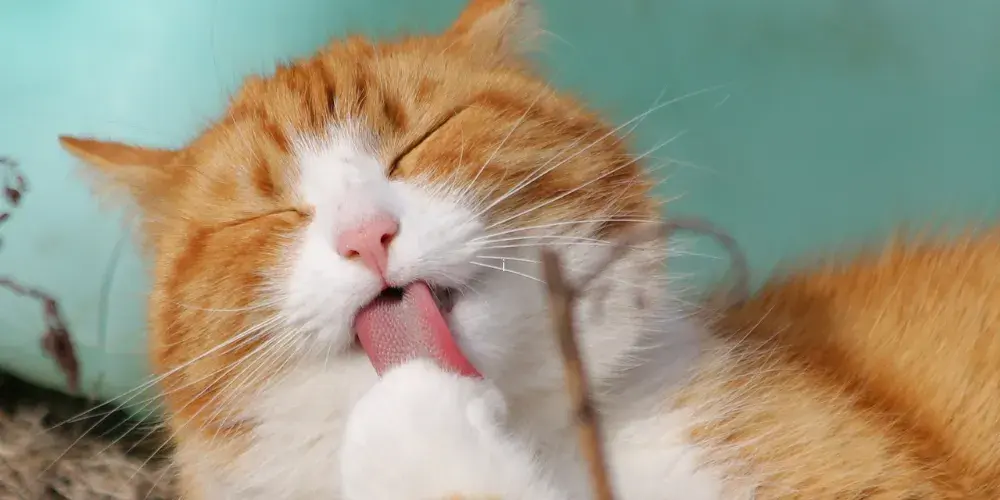
Yes, and this is one of the more surprising aspects of lily toxicity. A cat doesn't need to eat the plant to be poisoned — brushing against the flowers, getting pollen on their fur, and then grooming themselves afterward is enough to cause serious harm. Even licking a small amount of pollen off their paw or coat can be sufficient.
This means simply having lilies in a room a cat has access to carries real risk, independent of whether the cat shows any interest in chewing the plant itself. It's part of why vets recommend keeping lilies out of any home with cats altogether, rather than assuming a cat that "doesn't eat plants" is automatically safe.
How Does Lily Poisoning Actually Happen?
Most cases follow a few common patterns: a cat eating leaves or petals directly, pollen transferring from fur to mouth during normal grooming, or a cat drinking water from a vase that lilies have been sitting in — the toxin leaches into the water itself. All three routes carry serious risk, not just direct ingestion of the plant.
Bouquets are a particularly common source of accidental exposure, since store-bought arrangements frequently include lilies without always being clearly labeled, and a bouquet left on a counter or table is well within reach for most cats. Gardens and outdoor landscaping in villa communities can pose similar risk for cats with outdoor access.
How Long Does It Take for a Lily to Make a Cat Sick?
Symptoms typically begin within 6 to 12 hours of exposure, starting with vomiting, loss of appetite, drooling, and lethargy — signs that can look deceptively mild at first. Between 12 and 24 hours, this often progresses to dehydration, changes in urination, weakness, and disorientation as kidney function starts to decline.
By 24 to 72 hours without treatment, the situation can escalate to full kidney failure, seizures, and in the most severe cases, coma. This progression is exactly why early symptoms should never be brushed off as "just an upset stomach" if there's any chance of lily exposure — by the time serious signs appear, damage may already be significantly underway.
What Should I Do If My Cat Ate a Lily?
Act immediately rather than waiting to see how your cat does. Remove your cat from the plant right away, and if pollen is visible on their fur, gently wipe it away to reduce further grooming exposure without letting them lick it off in the process.
Skip home remedies entirely — nothing you can do at home addresses the underlying toxin, and delaying professional care to try something first only costs valuable time. Call your vet immediately with details on what happened and roughly when, then bring your cat in for evaluation even if they still seem completely normal. Waiting for symptoms to confirm the concern is one of the most common and costly mistakes owners make with lily exposure specifically.

How Vets Diagnose and Treat Lily Poisoning
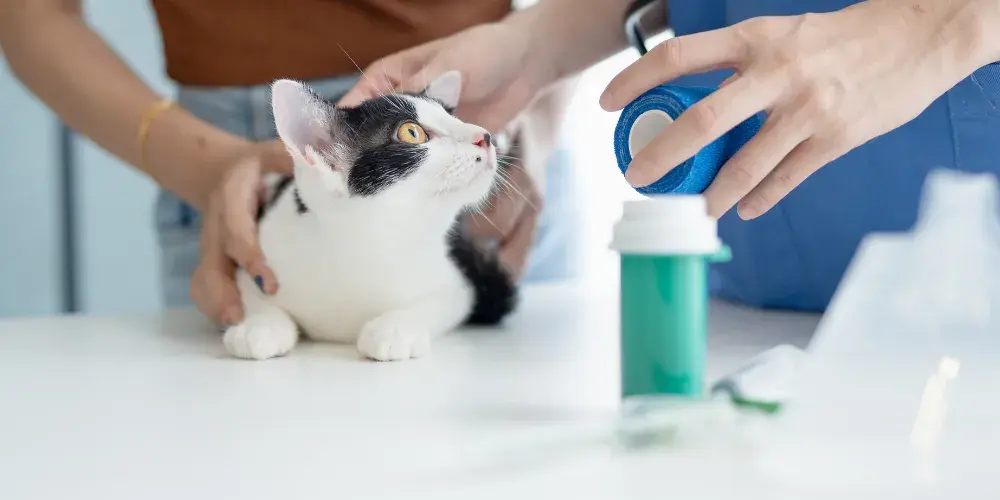
Diagnosis typically combines a physical exam, blood tests to check kidney function, urinalysis, and a history of possible exposure. If ingestion was recent, treatment often starts with decontamination — inducing vomiting and administering activated charcoal to limit further toxin absorption.
Intravenous fluid therapy is the cornerstone of treatment, usually continued intensively for 48 to 72 hours to help flush toxins and support the kidneys during the highest-risk window. Hospitalization allows continuous monitoring of kidney values and supportive medications as needed, and in the most severe cases, dialysis or feeding support may become necessary if the kidneys are significantly affected or appetite doesn't return.
Can Cats Survive Lily Poisoning?
Yes, and the outcome depends heavily on timing. Cats treated within the first 12 to 18 hours, before significant kidney damage has occurred, generally have a good prognosis and often recover well with appropriate treatment. This window is really the central fact worth remembering from this entire topic.
Once treatment is delayed beyond 24 hours, or if there's already evidence of kidney failure, the prognosis becomes considerably more guarded, and recovery becomes more difficult even with aggressive care. This stark difference in outcomes based purely on timing is exactly why "let's just monitor for now" isn't an appropriate response to suspected lily exposure.
How Much Does It Cost to Treat Lily Poisoning in Cats?
Costs vary considerably depending on how early treatment begins and how severe the case is. A cat treated promptly with decontamination and a shorter hospitalization stay costs meaningfully less than one requiring extended IV fluid therapy, intensive monitoring, or advanced interventions like dialysis for significant kidney damage.
Given that standard treatment often involves 48 to 72 hours of hospitalization with continuous fluids and monitoring, costs in Dubai can add up across that window — your vet can walk you through a realistic estimate once your cat has been assessed, which becomes much easier to plan for with full information in hand.
Preventing Lily Poisoning: Safe Alternatives
The simplest and most effective prevention is keeping true lilies out of your home entirely. If you receive a bouquet as a gift, check carefully for lilies before bringing it inside, since many store arrangements include them without obvious labeling. Letting family, friends, and event planners know your household has cats can help prevent lilies showing up unexpectedly too.
For a cat-safe home that still enjoys fresh flowers, consider orchids, spider plants, petunias, African violets, Swedish ivy, or sunflowers — all generally considered non-toxic options. For cats with outdoor access in villa communities, it's also worth checking garden landscaping for lilies and other toxic plants like azaleas or sago palms.
A Quick Word From Our Team
If your cat has had any contact with a lily — whether they ate part of it, got pollen on their fur, or drank vase water — please don't wait to see how they do. Contact The Pet Vet Veterinary Clinic in Nad Al Hamar immediately so we can assess and begin treatment right away. With lily poisoning, the speed of your response genuinely determines the outcome, and we're here to help the moment you need us.
Frequently asked questions
My cat was near lilies but I didn't see them eat or touch anything — should I still worry?
It's worth calling your vet regardless, since even brief contact can transfer pollen without you noticing. Given how serious lily toxicity is and how much timing matters, erring on the side of caution and getting professional advice costs little compared to the risk of missing genuine exposure.
Can lily poisoning affect dogs too?
Dogs can experience some gastrointestinal upset from eating lilies, but they don't share the same severe kidney toxicity risk that makes lilies so dangerous for cats specifically. That said, any pet eating an unfamiliar plant is worth mentioning to your vet regardless of species.
Is lily poisoning more dangerous for kittens or senior cats?
Both groups face elevated risk — kittens due to smaller body size relative to any toxin dose, and senior cats due to potentially reduced kidney reserve or existing health conditions. Age and overall health are both factors your vet will weigh when assessing severity and treatment.
Will my cat need follow-up vet visits after recovering from lily poisoning?
Often, yes. Follow-up bloodwork to confirm kidney function has stabilized is common even after a cat seems fully recovered, since some effects can take time to fully resolve or reveal themselves. Your vet will advise on timing based on how severe the initial case was
Are lily-scented candles or diffusers a risk to cats?
Scented products don't carry the same kidney toxicity risk as the actual plant, since they don't contain the toxic compounds found in real lily tissue and pollen. That said, strongly scented candles and diffusers in general can irritate sensitive feline airways, so moderation and good ventilation are still worth keeping in mind.
Written by
The Pet Vet Team
Subscribe to Our Newsletter
Sign up for weekly pet health tips and insights from our veterinarians.