
Rat Poison in Cats: Symptoms, Treatment and Prevention
 The Pet Vet Team
Cats can be poisoned by rat bait directly, or indirectly by hunting a rodent that's already eaten it — and depending on the type of poison involved, symptoms can take hours or weeks to show up.
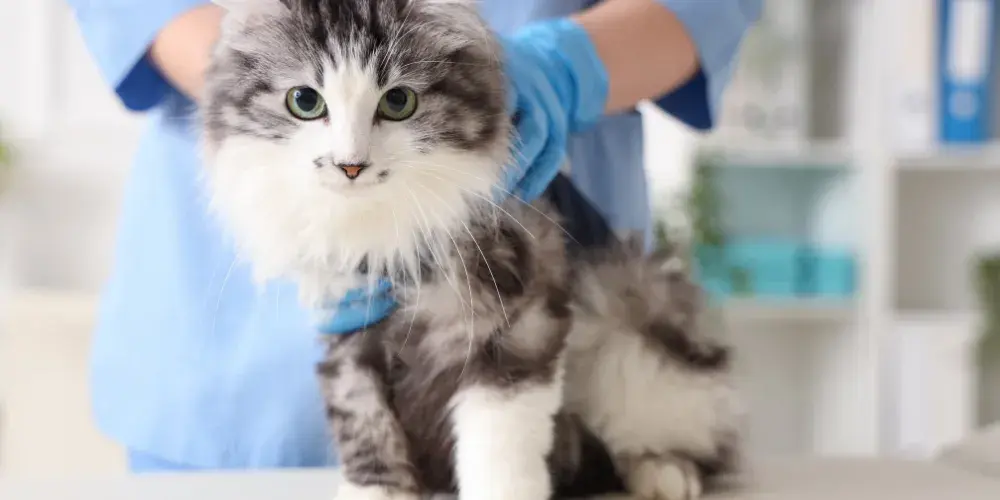
What Is Rat Poisoning in Cats?
Rat poisoning happens when a cat comes into contact with or eats rodenticide bait, or when a cat hunts and eats a rodent that has already consumed poison. There are several different types of rat bait on the market, and both symptoms and treatment vary considerably depending on which one is involved.
This variability is exactly why any known or suspected exposure should be treated as a genuine emergency, regardless of how much bait your cat may have gotten into. It's often genuinely difficult to know the exact amount ingested, which is part of why vets recommend erring firmly on the side of caution rather than trying to judge severity from the amount alone.
The Three Types of Rat Poison and How They Affect Cats
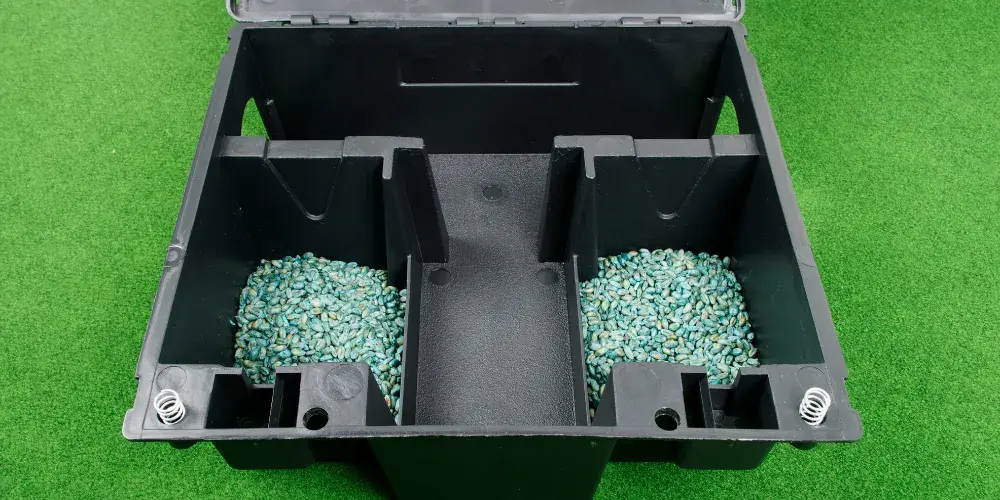
Anticoagulant rodenticides interfere with the body's ability to recycle vitamin K, which is essential for normal blood clotting — over time, this leads to a serious bleeding disorder called coagulopathy. These come in first- and second-generation forms, with second-generation products generally being more potent and requiring longer treatment.
Bromethalin is a neurological toxin that causes brain swelling and loss of normal brain function, with severity closely tied to how much was ingested. Vitamin D3 (cholecalciferol) causes the body to retain excess calcium, which then mineralizes soft tissues — particularly the kidneys, lungs, heart, and blood vessels — leading to organ damage. Each of these requires a distinctly different treatment approach, which is why identifying the specific product matters so much.
How Much Rat Poison Is Fatal to Cats?
There's no reliable, universal answer to this, and that's precisely the point worth understanding. The toxic dose varies by product, concentration, and your cat's individual size and health, and it's rarely possible to know with certainty exactly how much bait was actually consumed versus simply nibbled or investigated.
Because of this uncertainty, vets treat any possible contact or ingestion of rodent bait as toxic exposure requiring immediate attention, rather than trying to calculate whether "this amount" is likely to be dangerous. Waiting to see whether a small amount causes problems isn't a safe strategy — the more productive question is simply getting your cat evaluated quickly rather than estimating risk at home.
How Long Does It Take for Rat Poison to Kick In for Cats?
This depends heavily on which type of poison is involved. With anticoagulant rodenticides, clinical signs may not appear for several days or even weeks after exposure — a genuinely long delay that can lull owners into a false sense of security if a cat seems fine in the meantime.
Bromethalin's timeline depends on the dose: a large ingestion can cause symptoms within a few hours, while a smaller amount may take 1 to 4 days to show effects. Vitamin D3 poisoning can cause clinical signs even at relatively low exposure levels, sometimes appearing within a day or two. Across all three types, the safe assumption is that visible symptoms lag behind internal changes, so absence of symptoms soon after exposure doesn't mean your cat is in the clear.
How Do I Know If My Cat Has Been Poisoned by Rat Poison?
Signs vary by poison type, which is part of why identifying the specific product matters. For anticoagulant rodenticides, watch for:
- Lethargy and pale gums
- Bruising on the skin, gums, or whites of the eyes
- Black, tarry stool or vomiting blood
- Difficulty breathing, swollen joints, or blood in the urine
For bromethalin, watch for muscle tremors, weakness, incoordination, paralysis, or unusual eye movements (like unequal pupil size). For vitamin D3, watch for lethargy, vomiting, increased thirst and urination, and in severe cases, seizures. Any combination of these signs following known or suspected exposure warrants an immediate vet visit.
What Happens If a Cat Eats a Poisoned Rat?
This is called relay toxicosis, and it's a genuine route of exposure for hunting cats. With anticoagulant and vitamin D3 poisons specifically, the toxin accumulates in the rodent's liver, meaning a cat that eats multiple poisoned rodents over time faces a cumulative, rising dose of toxin exposure.
Bromethalin works differently — only a small amount is needed to kill a rodent, but a cat would need to eat a considerably larger amount to show signs of toxicity. This means a cat eating a rodent that died from bromethalin poisoning is less likely to become seriously ill from that exposure alone, though it's still worth mentioning to your vet if you know or suspect it happened.
How Vets Diagnose Rat Poisoning in Cats
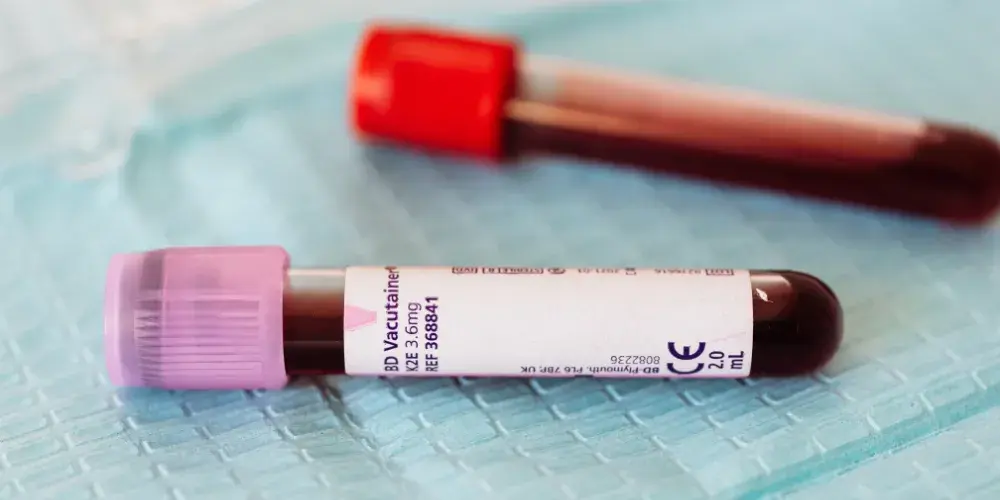
Diagnosis relies heavily on history — vets will ask what type of poison your cat was exposed to, how much, and when, so bringing the packaging along genuinely helps guide the right treatment path. Baseline lab work, including a complete blood count and chemistry panel checking liver, kidney, and electrolyte values, is typically recommended regardless of poison type.
For anticoagulants, coagulation testing may show prolonged clotting times if enough time has passed since exposure; if treatment starts immediately, this testing is often done later, at the end of the vitamin K treatment period instead. For vitamin D3, bloodwork typically shows elevated calcium, phosphorus, and kidney values. There's no single definitive "rat poison test" — diagnosis comes from combining history, physical exam, and lab findings together.
How Vets Treat Rat Poisoning in Cats
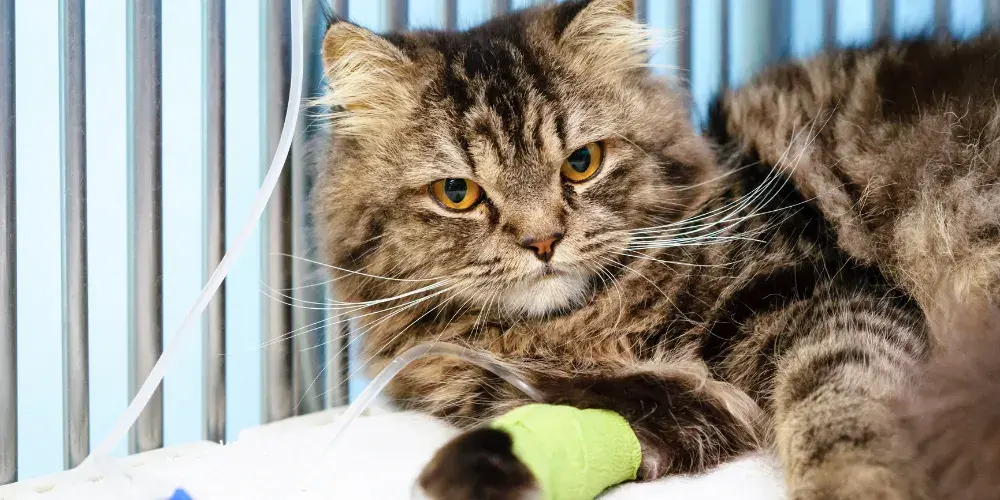
Immediate treatment offers the best outcome, and decontamination usually happens right away at the clinic — inducing vomiting with veterinary medication (never hydrogen peroxide at home, which can cause dangerous stomach swelling in cats) followed by activated charcoal to bind remaining toxin in the gut.
From there, treatment diverges by type.
Anticoagulant poisoning is treated with oral vitamin K1, typically for about 10 days for first-generation products or up to 4 weeks for second-generation ones, with coagulation values rechecked afterward; cats already showing bleeding may need plasma or blood transfusions and intensive 24-hour care. Bromethalin and vitamin D3 poisoning have no specific antidote — treatment is supportive, involving IV fluids, medications to manage brain swelling or excess calcium, and close monitoring, since prognosis becomes considerably more uncertain once organ damage is already underway.
Can Cats Survive Rat Poisoning?
Yes, and the prognosis is generally good when treatment begins before serious symptoms have developed. Most cats treated early recover fully, with hospitalization for monitoring and supportive care typically lasting one to two days, though this varies by poison type and how much was involved.
Timing really is the deciding factor here more than anything else. The outlook becomes considerably more guarded once significant symptoms — internal bleeding, seizures, organ damage — are already underway, which is exactly why contacting a vet immediately after known or suspected exposure, rather than waiting to confirm something's wrong, gives your cat the best possible chance.
What Should You Do If Your Cat Eats Rat Poison?
Contact your vet or the nearest emergency clinic immediately — this isn't a situation for home remedies, regardless of how your cat currently seems. If possible, bring the bait packaging with you, since identifying the specific active ingredient is genuinely critical to guiding treatment correctly. If your cat caught and ate a rodent rather than the bait directly, note when this happened as best you can.
Don't attempt to induce vomiting or give any home treatment unless a vet specifically instructs you to and tells you how. Getting your cat to the clinic promptly matters far more than trying to assess severity yourself first.

Preventing Rat Poison Exposure in Cats
Keep all rat poison products stored well out of reach, ideally in areas your cat genuinely can't access. If you have outdoor or indoor-outdoor cats, remember that prevention isn't only about keeping them away from bait stations directly — it also means being mindful of their access to poisoned rodents, which is a harder variable to control entirely.
Consider pet-safe alternatives like snap traps or enclosed bait stations designed to exclude cats, and if pest control is used in shared building areas or your garden, ask what product is involved and where it's placed. When boarding your cat or leaving them with a sitter, ask directly whether rat poison is used anywhere on the property.
A Quick Word From Our Team
If your cat has eaten rat poison, or has caught and eaten a rodent you suspect was poisoned, please don't wait to see how they do. Contact The Pet Vet Veterinary Clinic in Nad Al Hamar immediately, and bring the packaging or a photo of it if you can. With rat poison, how quickly you act genuinely shapes the outcome, and our team is ready to guide you through next steps right away.
Frequently asked questions
Is it more dangerous for a cat to eat bait directly or to eat a poisoned rodent?
Both are genuine risks, though eating poisoned prey is generally the more common route for cats specifically, given their hunting instincts. Either route requires the same urgent response, since the underlying toxin is the same regardless of how it was consumed.
Should I make my cat vomit at home if I know they've been exposed?
Only if a vet specifically instructs you to and explains how to do it safely. Hydrogen peroxide should never be used in cats, since it can cause dangerous stomach swelling. Any decontamination should happen under veterinary guidance.
Can indoor-only cats still be at risk from rat poison?
Yes, though the risk is lower than for cats with outdoor access. Bait placed in garages, storage rooms, or building common areas can still be reached, and pest control treatments in shared spaces are worth asking about even if your cat never goes outside.
How will vets know which type of rat poison my cat was exposed to if I didn't see the bait?
This can be genuinely difficult without packaging to reference, which is why bringing any available bait, packaging, or a photo to your vet matters so much. Bloodwork and coagulation testing can also help narrow down the type based on how your cat's body is responding.
Will my cat need repeat vet visits after treatment for rat poisoning?
Often, yes, particularly for anticoagulant poisoning, where coagulation values need to be rechecked after the vitamin K1 course to confirm clotting has normalized before treatment is fully stopped. Your vet will advise on follow-up testing based on the specific poison involved.
Written by
The Pet Vet Team
Subscribe to Our Newsletter
Sign up for weekly pet health tips and insights from our veterinarians.