
Toxoplasmosis in Cats
 The Pet Vet Team
Wondering if your cat could get toxoplasmosis? Learn how cats become infected, the symptoms to watch for, how the disease is diagnosed and treated, and what you can do to protect both your pet and your family. Expert advice from The Pet Vet Veterinary Clinic in Nad Al Hamar, Dubai.
Toxoplasmosis in Cats: Symptoms, Causes, Treatment and Prevention Every Cat Owner in Dubai Should Know
If you've ever searched online about cat health, you've probably come across warnings about toxoplasmosis. It's one of the most well-known diseases associated with cats, but it's also one of the most misunderstood. Many people believe that simply owning a cat puts them at high risk of infection, while others worry that a positive diagnosis means their pet is seriously ill.
The reality is much more reassuring.
Although toxoplasmosis is a genuine parasitic disease, most healthy cats never become sick from it, and the risk of catching it directly from your pet is much lower than many people think. In fact, people are far more likely to become infected through undercooked meat, contaminated food, or environmental exposure than by living with a cat.
At The Pet Vet in Nad Al Hamar, Dubai, we believe that informed pet owners make the best decisions for their cats. Understanding how toxoplasmosis works helps you protect your pet without unnecessary worry or misinformation.
In this guide, we'll explain everything you need to know about toxoplasmosis in cats, including how the parasite spreads, which cats are most at risk, the symptoms you should never ignore, treatment options, and practical prevention tips for households across Dubai and the UAE.
What Is Toxoplasmosis?
Toxoplasmosis is an infection caused by a microscopic parasite called Toxoplasma gondii. This parasite exists all over the world and can infect almost all warm-blooded animals, including birds, livestock, wildlife, pets, and people.
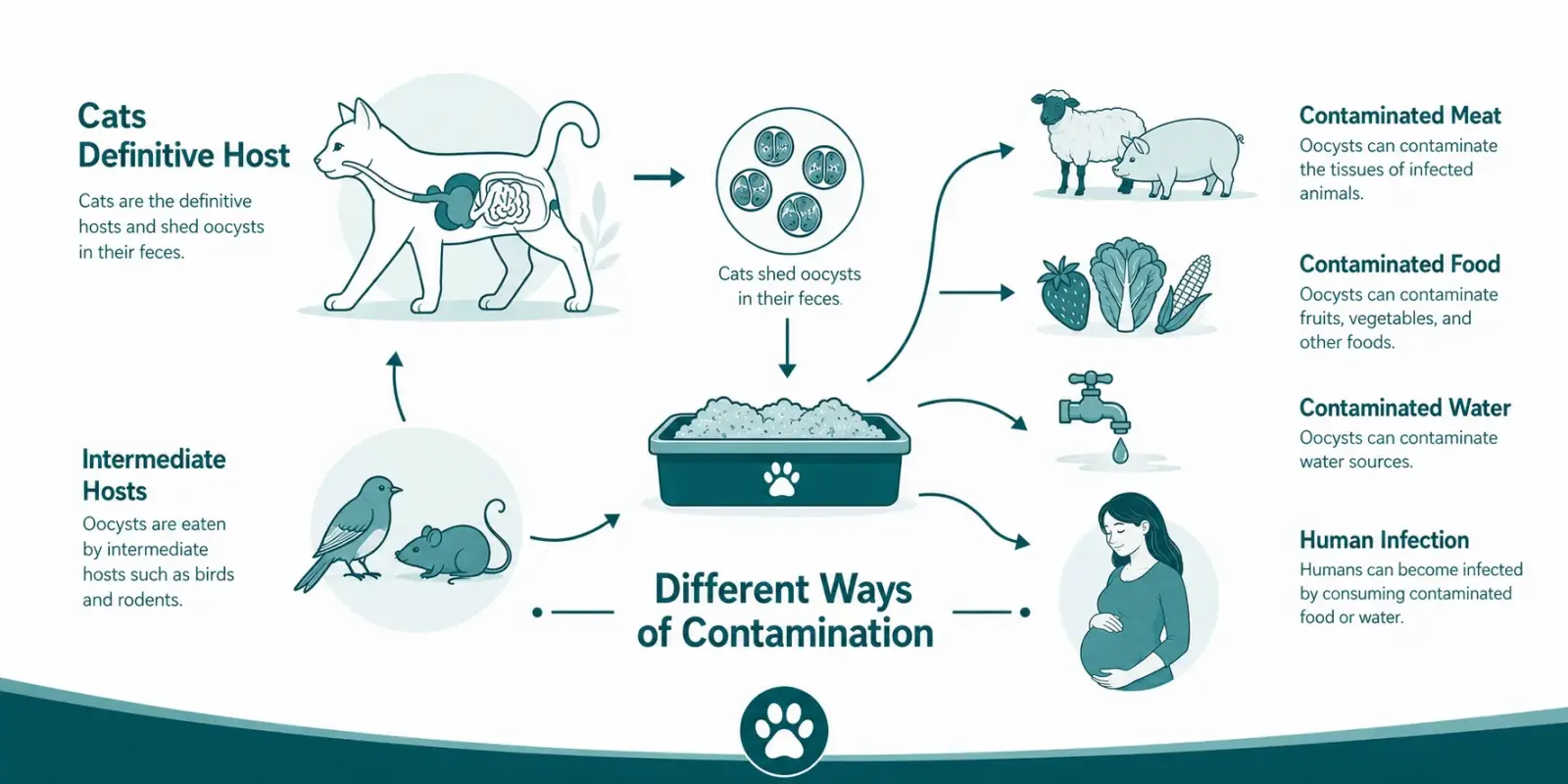
Cats play a unique role because they are the only animals in which the parasite completes its full life cycle. After a cat becomes infected for the first time, it can produce microscopic eggs called oocysts, which are passed in its faeces for a short period.
This often causes unnecessary concern, but it's important to understand what this actually means.
A healthy cat is not constantly spreading toxoplasmosis. Most cats only shed these oocysts once in their lifetime, usually for around one to two weeks following their first infection. After that, their immune system typically controls the parasite, which then remains dormant within the body without causing illness.
For the majority of adult cats, toxoplasmosis never develops into a serious disease.
Problems are more likely to occur in kittens, elderly cats, or cats whose immune systems have been weakened by another illness.
How Do Cats Become Infected?
One of the biggest myths is that cats catch toxoplasmosis from other cats.
In reality, this is uncommon.
Most cats become infected by hunting or eating infected prey such as rodents or birds. The parasite forms tiny tissue cysts inside these animals, and when a cat eats them, the parasite enters its digestive system.
Raw meat is another possible source of infection. While some owners choose raw diets for their pets, improperly sourced or poorly handled meat can contain the parasite. This is why it's essential to discuss any raw feeding programme with your veterinarian.
Cats may also become infected through contaminated soil or water, especially if they spend time outdoors. Free-roaming cats naturally have more opportunities to encounter the parasite than cats that live exclusively indoors.
Once inside the body, Toxoplasma gondii multiplies within the intestines before producing oocysts that are shed in the faeces. These oocysts are not immediately infectious. They generally require one to five days in the environment before they become capable of infecting another animal or person.
This is one reason why cleaning the litter tray every day is such an effective preventive measure.
Why Cat Owners in Dubai Should Understand Toxoplasmosis
Dubai has a large and diverse cat population. Many families keep indoor cats, while others care for rescued cats or allow their pets supervised outdoor access. Community cats are also common throughout many neighbourhoods.
Because of this, understanding toxoplasmosis is particularly important for pet owners in the UAE.
Outdoor cats that hunt birds or rodents have a greater chance of becoming infected than indoor pets. At the same time, the popularity of raw feeding has increased significantly across Dubai, making food safety another important consideration.
Fortunately, toxoplasmosis is largely preventable.
Simple habits such as keeping cats indoors, feeding balanced commercial diets, maintaining excellent litter hygiene, and scheduling regular veterinary health checks can dramatically reduce the risk of infection.
Education remains one of the most valuable tools for protecting both pets and people.
Symptoms of Toxoplasmosis in Cats
Many cats infected with Toxoplasma gondii never show any visible signs of illness. Their immune system controls the parasite before it causes noticeable problems.
When symptoms do occur, they can vary depending on which organs are affected.
Common signs include:
- Reduced appetite or complete loss of appetite
- Lethargy and sleeping more than usual
- Fever
- Vomiting or diarrhoea
- Weight loss
- Breathing difficulties
- Eye inflammation or redness
- Poor coordination, tremors or seizures
The earliest symptoms are often quite subtle. A cat that normally greets you at the door may suddenly become withdrawn or less interested in food and play.
As the disease progresses, more serious complications may develop.
If the lungs are affected, breathing may become laboured. If the parasite reaches the nervous system, cats may develop weakness, abnormal behaviour, tremors, difficulty walking or seizures.
Eye disease is another common presentation. Inflammation inside the eye, called uveitis, can cause pain, squinting, cloudiness and sensitivity to light. Without prompt treatment, vision may be affected.
Some cats may also develop jaundice if the liver becomes involved. Owners may notice a yellow colour affecting the gums, eyes or skin.
Because these symptoms are not unique to toxoplasmosis, professional veterinary assessment is always recommended.
Can Humans Catch Toxoplasmosis from Their Cat?
This is by far the question veterinarians hear most often.
The simple answer is yes, but the risk is much lower than many people believe.
Most human infections are linked to eating undercooked meat, consuming contaminated food or water, or handling contaminated soil while gardening. Direct transmission from cats is actually uncommon.
For someone to become infected from a cat, several things have to happen. The cat must be shedding oocysts, the faeces must remain in the environment long enough for the parasite to become infectious, and then those infectious oocysts must accidentally be swallowed.
Cleaning the litter tray every day interrupts this process because freshly passed oocysts are not immediately infectious.
Pregnant women and individuals with weakened immune systems should take additional precautions because toxoplasmosis can cause more severe illness in these groups.
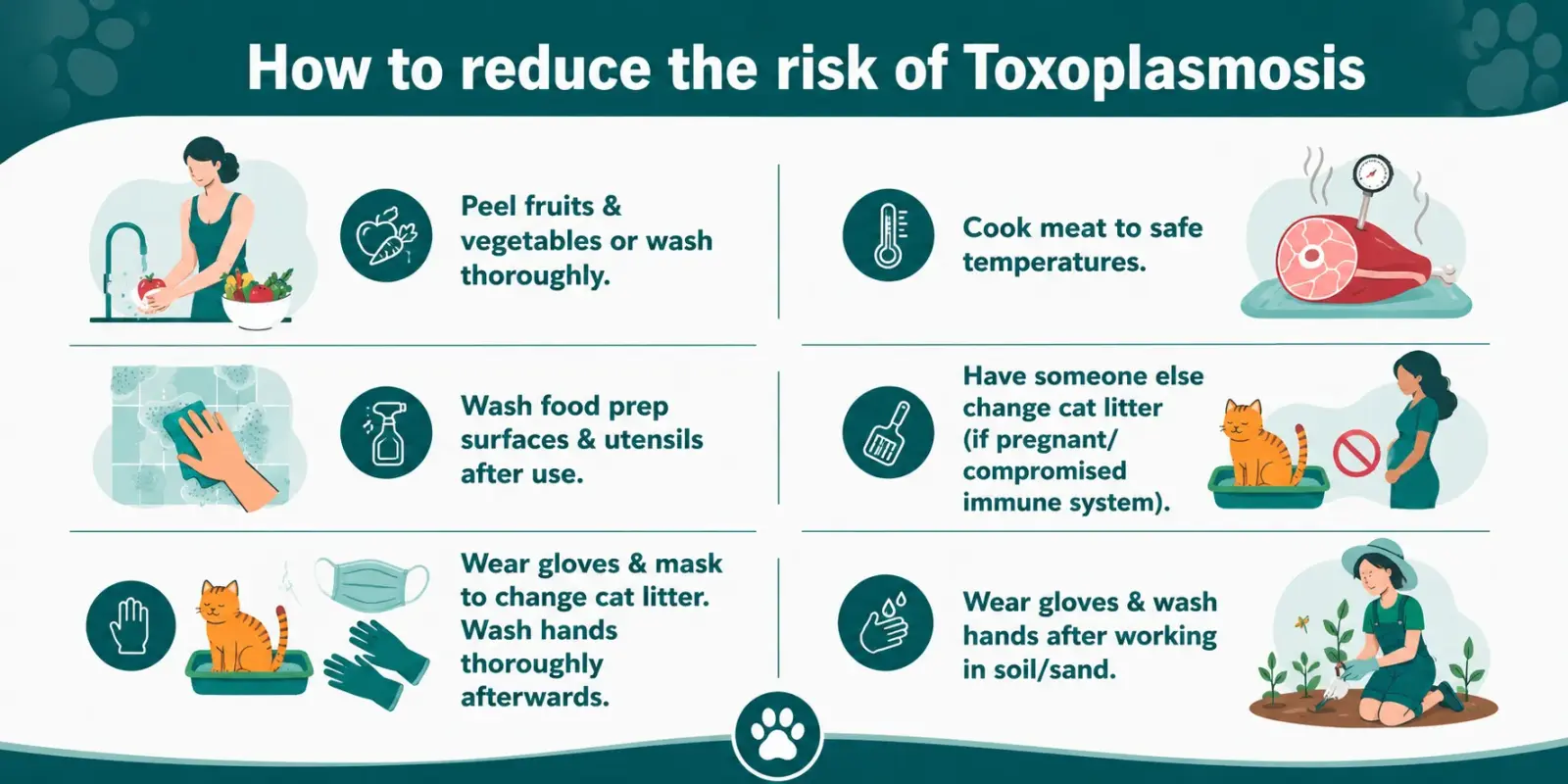
Simple precautions include wearing gloves when gardening, washing hands thoroughly after cleaning litter trays, avoiding raw meat, and asking another household member to clean the litter box whenever possible during pregnancy.
There is rarely any need to rehome a healthy cat simply because of concerns about toxoplasmosis.
How Veterinarians Diagnose Toxoplasmosis
Diagnosing toxoplasmosis is not always straightforward because the symptoms can resemble many other diseases.
At The Pet Vet Veterinary Clinic in Nad Al Hamar, diagnosis begins with a detailed consultation. Your veterinarian will discuss your cat's lifestyle, whether they go outdoors, their diet, medical history and any recent changes in behaviour.
A complete physical examination is followed by diagnostic testing when appropriate.
Blood tests are commonly performed to measure antibodies against Toxoplasma gondii. These antibody tests help determine whether your cat has recently been infected or has been exposed in the past.
Additional laboratory tests may evaluate liver function, kidney health and the overall condition of your cat.
In more complicated cases, PCR testing may be recommended. This advanced test detects the parasite's genetic material and helps confirm active infection.
Depending on your cat's symptoms, further diagnostics such as chest X-rays, abdominal ultrasound, eye examinations or neurological testing may also be required to identify affected organs and rule out other diseases.
Early diagnosis allows treatment to begin before complications develop.
Treatment and Recovery
The encouraging news is that most cats respond very well to treatment when the disease is diagnosed early.
Interestingly, not every cat that tests positive requires medication. Cats that have been exposed but remain healthy often control the infection naturally without developing clinical disease.
Treatment is generally recommended when a cat is showing symptoms.
The antibiotic clindamycin is most commonly prescribed because it effectively limits parasite multiplication. Treatment usually continues for several weeks, depending on the severity of the infection.
Some cats may require alternative medications if clindamycin is unsuitable.
Supportive care is equally important. Cats suffering from dehydration, poor appetite or breathing difficulties may need hospitalisation, intravenous fluids, nutritional support or oxygen therapy.
If inflammation affects the eyes or nervous system, additional medications may be prescribed to reduce inflammation while protecting affected tissues.
Most owners notice improvement within the first week of treatment, although complete recovery can take several weeks depending on the organs involved.
Regular follow-up examinations help ensure the infection has resolved and that your cat is recovering as expected.
Preventing Toxoplasmosis in Cats
Fortunately, preventing toxoplasmosis is usually much easier than treating it.
A few simple habits can significantly reduce your cat's risk of infection while also protecting your family.
Keeping your cat indoors remains one of the most effective preventive measures because it prevents hunting and reduces exposure to contaminated environments.
Nutrition is equally important. Feeding high-quality commercial cat food or properly cooked diets dramatically lowers the risk of parasite exposure. Owners choosing raw diets should always discuss food safety with their veterinarian and ensure meat comes from reliable sources.
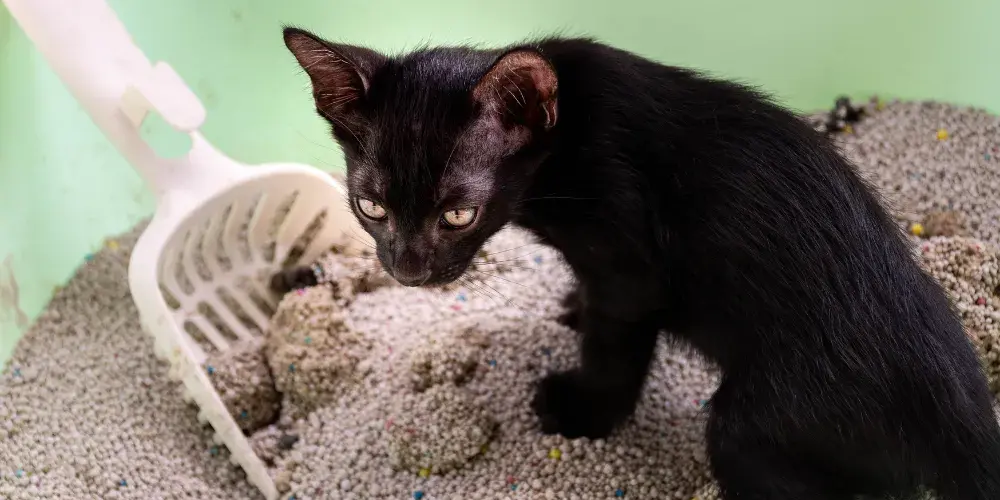
Daily litter box cleaning is another essential habit. Removing faeces before oocysts become infectious greatly reduces environmental contamination.
Regular hand washing after handling litter, gardening or preparing raw meat also helps protect every member of the household.
Finally, routine veterinary check-ups allow health problems to be identified early, ensuring your cat receives prompt care whenever needed.
When Should You Visit The Pet Vet?
Although toxoplasmosis is often mild, any unexplained illness in your cat deserves veterinary attention.
If your cat becomes unusually tired, stops eating, develops breathing problems, experiences eye inflammation, begins stumbling, or shows any neurological signs such as tremors or seizures, it's important to seek professional advice without delay.
Many illnesses produce symptoms similar to toxoplasmosis, making an accurate diagnosis essential before treatment begins.
At The Pet Vet in Nad Al Hamar, Dubai, our experienced veterinary team provides comprehensive examinations, advanced laboratory testing, diagnostic imaging and personalised treatment plans to identify the cause of your cat's illness quickly and accurately.
Whether your cat needs preventive advice, routine health screening or urgent medical care, we're here to help every step of the way.
Healthy cats start with informed owners, and we're committed to keeping both you and your feline companion safe, healthy and happy.
Frequently asked questions
Can indoor cats get toxoplasmosis?
Yes. Although indoor cats have a much lower risk, they can still become infected through contaminated raw meat or, less commonly, contaminated soil or other environmental sources brought into the home.
Is toxoplasmosis dangerous for pregnant women?
Pregnant women should take extra precautions because toxoplasmosis can affect an unborn baby if the mother becomes infected during pregnancy. Daily litter cleaning, good hand hygiene and avoiding raw meat significantly reduce the risk.
How long do infected cats shed the parasite?
Most cats only shed infectious oocysts once after their first infection, usually for around 10 to 14 days. After this period, they typically develop immunity and stop shedding the parasite.
Can toxoplasmosis be cured in cats?
Yes. Most cats with clinical toxoplasmosis recover well with prompt diagnosis and appropriate treatment. Early veterinary care greatly improves the prognosis.
Should I give away my cat if someone in my family is pregnant?
No. In most cases, there is no need to rehome a healthy cat. Following good hygiene practices, cleaning the litter tray daily, and seeking veterinary advice are usually all that's needed to keep both your family and your cat safe.
Written by
The Pet Vet Team
Subscribe to Our Newsletter
Sign up for weekly pet health tips and insights from our veterinarians.