
Ringworm in Cats
 The Pet Vet Team
Concerned your cat has ringworm? Learn the symptoms, causes, diagnosis, treatment, recovery time and prevention tips from The Pet Vet Veterinary Clinic in Nad Al Hamar, Dubai. Expert feline dermatology care for cats across the UAE.
Ringworm in Cats: Everything Dubai Cat Owners Need to Know
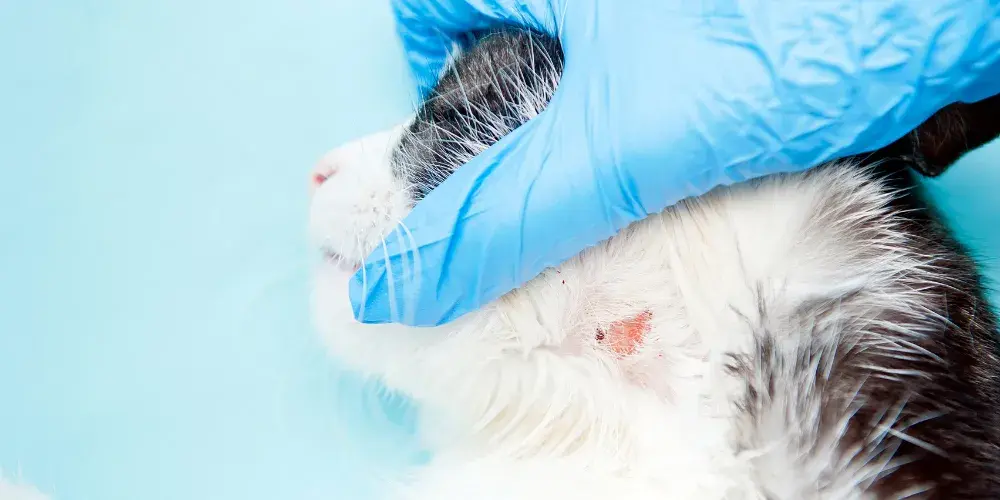
If you've recently noticed a bald patch on your cat, flaky skin around the ears, or areas of broken fur, it's natural to worry. One condition that often comes to mind is ringworm. Despite the name, ringworm has nothing to do with worms. It is actually a fungal infection that affects the skin, hair and sometimes the nails of cats.
At The Pet Vet Veterinary Clinic in Nad Al Hamar, Dubai, ringworm is one of the skin conditions we diagnose regularly. While it is highly contagious, it is also very treatable when identified early and managed correctly. The biggest challenge isn't usually the medication—it's making sure the infection is completely eliminated from both your cat and your home.
Because ringworm can spread between cats, dogs and humans, understanding how it works is essential for every pet owner. In this guide, we'll explain everything you need to know, from the first symptoms to recovery and how to prevent future infections.
What Is Ringworm in Cats?
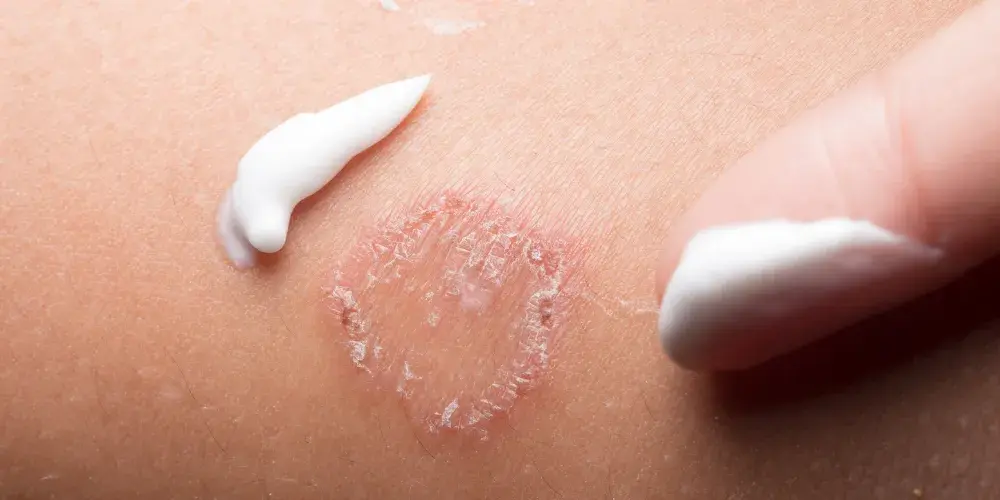
Ringworm is a fungal infection caused by a group of fungi known as dermatophytes. These microscopic organisms feed on keratin, the protein that makes up your cat's hair, skin and claws.
The most common species responsible for feline ringworm is Microsporum canis, which causes the vast majority of infections seen in veterinary clinics worldwide. Less frequently, infections may be caused by Microsporum gypseum or Trichophyton mentagrophytes.
Unlike bacteria or viruses, dermatophytes produce tiny spores that can survive in the environment for many months. These spores attach to hair shafts and skin cells before invading the outer layers of the skin.
One of the reasons ringworm receives so much attention is because it is a zoonotic disease. This means it can pass from animals to humans. While it is rarely dangerous, it can be frustrating to eliminate if not treated correctly.
Many cat owners are surprised to discover that some infected cats show very few symptoms while still shedding infectious spores around the home. This makes early diagnosis particularly important, especially in households with multiple pets.
Is Ringworm Common in Dubai and the UAE?
Yes. Although many people associate fungal infections with humid climates, ringworm is seen throughout the UAE, including Dubai.
Indoor living actually helps fungal spores survive because they are protected from sunlight and weather. Spores can remain on furniture, bedding, carpets, scratching posts and grooming equipment long after an infected cat has left the area.
Certain environments naturally increase the risk of exposure. These include rescue organisations, breeding facilities, boarding centres, grooming salons and homes with several cats living together.
Young kittens adopted from shelters are particularly susceptible, simply because they are more likely to have been exposed before adoption.
At The Pet Vet, we recommend having every newly adopted kitten examined before introducing them to other pets at home. Catching ringworm early helps prevent a much larger household outbreak.
How Do Cats Catch Ringworm?
Ringworm spreads much more easily than many owners realise.
Direct contact with an infected cat is the most common route of transmission. Cats can become infected while grooming each other, playing, sharing sleeping areas or simply rubbing against one another.
However, direct contact is not required.
Fungal spores can survive for up to 18 months in favourable conditions. They cling to loose hairs, blankets, cat trees, brushes, carriers, clothing and household dust.
This means your cat could develop ringworm simply by lying on contaminated bedding or using a scratching post previously used by an infected animal.
Once the spores reach tiny breaks in the skin or hair follicles, they begin multiplying. As they digest keratin, they weaken the hair shaft and create the characteristic areas of hair loss associated with ringworm.
Because spores survive for such a long time, environmental contamination is one of the biggest reasons infections recur after treatment appears successful.
Which Cats Are Most Likely to Develop Ringworm?
Although any cat can become infected, some are considerably more vulnerable.
Kittens have immature immune systems that are still learning how to fight infections. Older cats may have reduced immune function as they age, making them more susceptible as well.
Cats living with chronic illnesses such as FIV or FeLV often struggle to eliminate fungal infections because their immune defences are compromised.
Long-haired breeds, particularly Persian and Himalayan cats, are also more prone to ringworm. Their dense coats trap fungal spores close to the skin, making treatment more challenging.
Lifestyle also plays an important role. Outdoor cats naturally encounter more animals and contaminated environments than indoor cats.
Stress, poor nutrition, overcrowding and inadequate hygiene can all increase the likelihood of infection. Maintaining good overall health remains one of the best ways to reduce your cat's risk.
Recognising the Symptoms of Ringworm
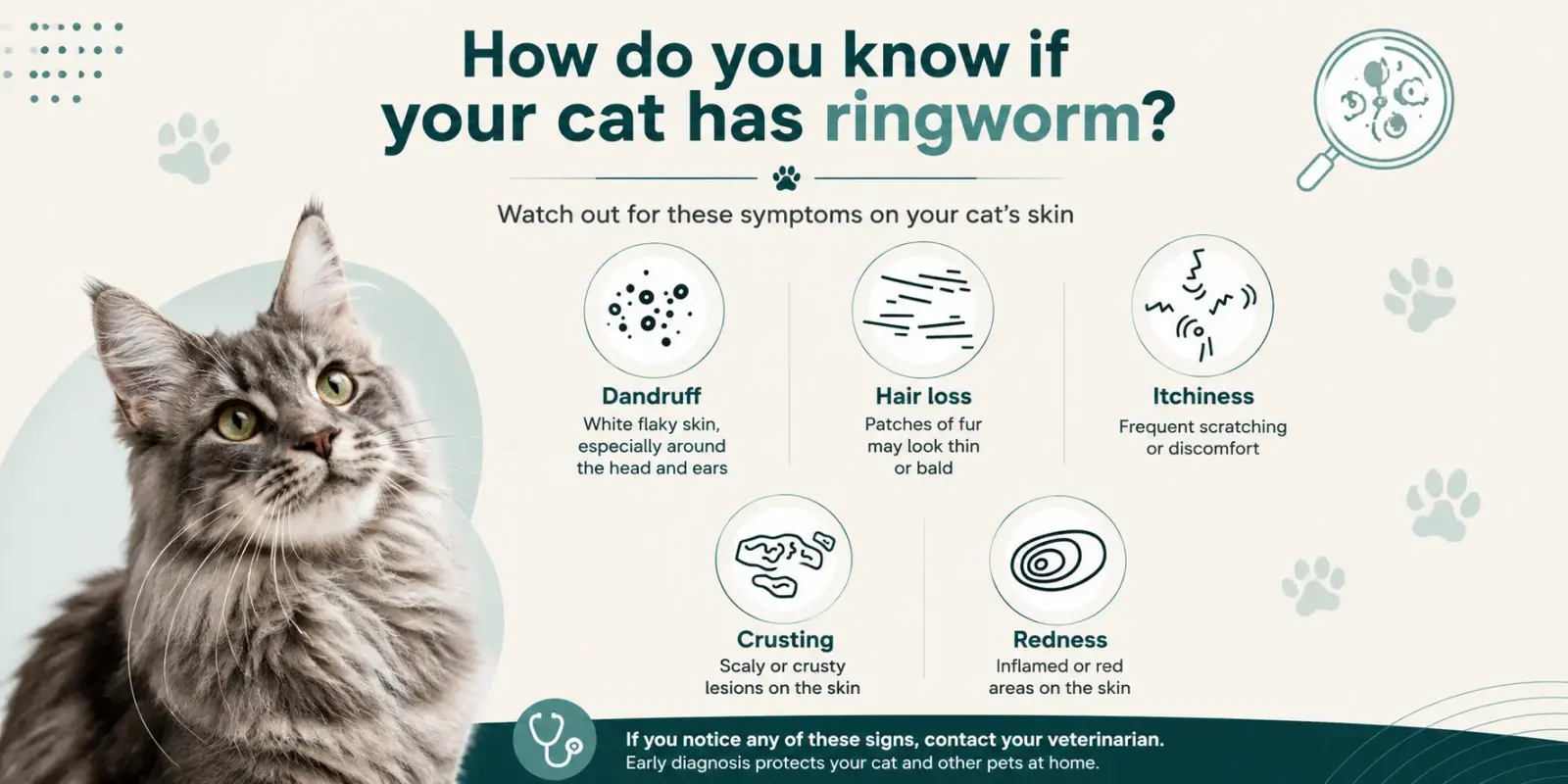
Ringworm doesn't always produce the classic circular lesion shown in internet photos. Every cat can present differently, and some cases are surprisingly subtle.
The signs most commonly seen include:
- Circular or irregular patches of hair loss
- Dry, flaky or crusty skin
- Red or inflamed skin lesions
- Broken, brittle or dull fur
- Excessive scratching, licking or overgrooming
- Scaly ears or facial lesions
- Thickened or brittle nails
- Changes around the nail beds
- Areas of skin that appear unusually rough or irritated
Many infections begin around the ears, face, paws or tail before spreading elsewhere.
Some cats itch intensely, while others seem completely comfortable despite significant skin changes.
Perhaps the most challenging aspect is that some infected cats show almost no visible symptoms at all. These asymptomatic carriers continue shedding fungal spores and unknowingly infect other pets.
For this reason, any unexplained hair loss deserves veterinary attention.
Why Ringworm Is Frequently Misdiagnosed
One of the reasons ringworm frustrates both owners and veterinarians is because it closely resembles many other skin diseases.
Flea allergies, food allergies, bacterial infections, mites, autoimmune disorders, overgrooming caused by stress and even hormonal conditions can produce very similar lesions.
Looking at the skin alone is rarely enough to make a diagnosis.
Treating suspected ringworm without confirming the cause can delay proper treatment and allow the real condition to worsen.
At The Pet Vet, every dermatology consultation begins with a thorough skin examination and diagnostic testing when needed. Identifying the correct cause allows us to recommend the most effective treatment from the beginning.
How Veterinarians Diagnose Ringworm
Diagnosing ringworm usually requires a combination of examination and laboratory testing rather than relying on appearance alone.
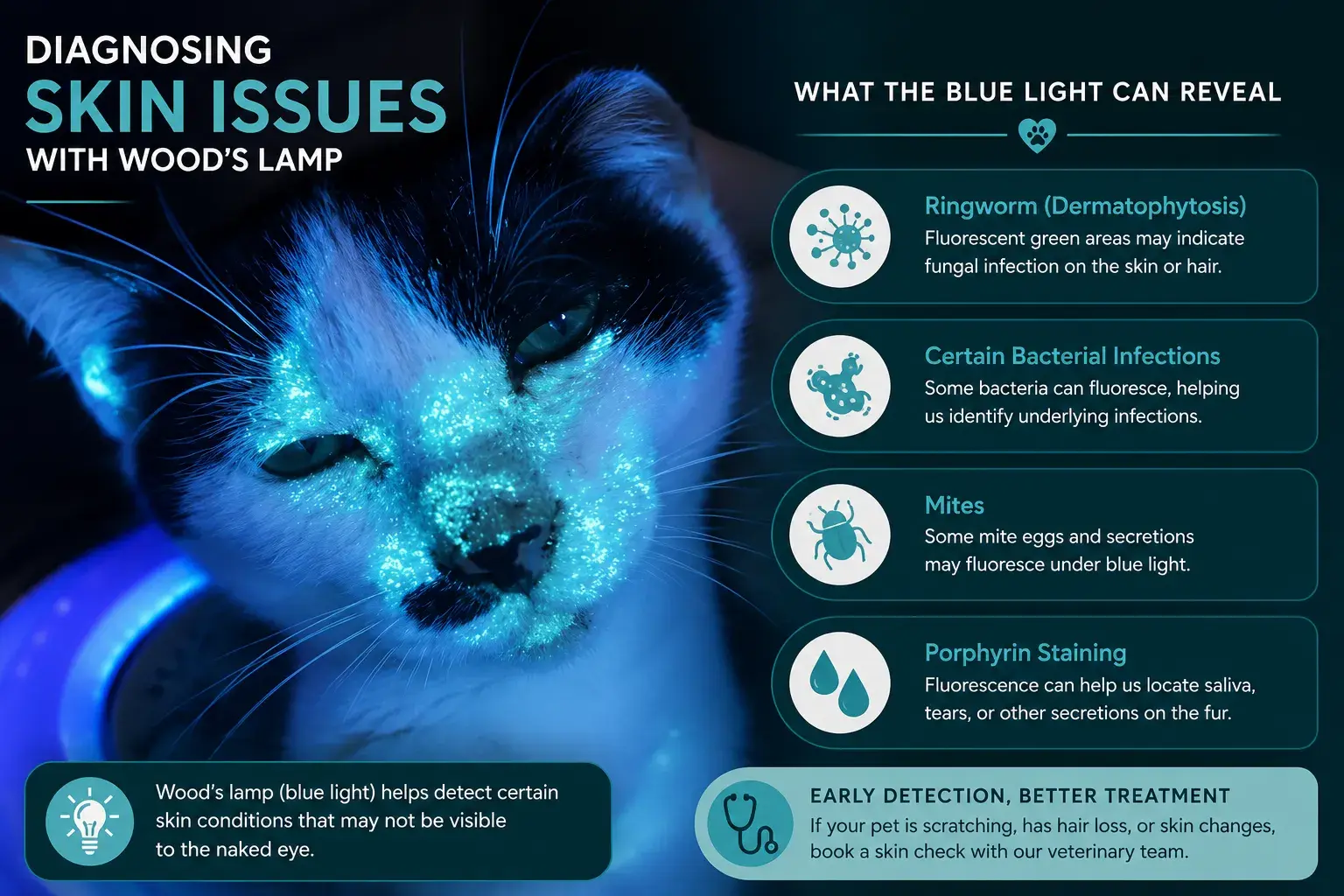
A Wood's lamp examination is often the first step. Under this specialised ultraviolet light, some infected hairs fluoresce a bright apple-green colour. Although useful, only certain strains glow, so a negative result does not rule out infection.
Microscopic examination of hairs may reveal fungal spores attached to damaged hair shafts, providing valuable information during the consultation.
The gold standard remains fungal culture. Hair samples are placed onto specialised culture media where fungal growth can be identified. While this takes longer, it remains one of the most accurate methods available.
Many veterinary hospitals also use PCR testing, which detects fungal DNA within just a few days. This advanced test offers rapid, highly sensitive results and is becoming increasingly common.
In more unusual cases where skin diseases overlap, a biopsy may occasionally be recommended.
Combining these diagnostic methods allows veterinarians to distinguish ringworm from other skin disorders and develop an effective treatment plan.
Treating Ringworm Successfully
Many owners hope ringworm can be cured with a single cream, but treatment is usually more comprehensive.
Successful management involves treating the cat while also removing fungal spores from the environment.
Oral antifungal medications such as itraconazole or terbinafine are commonly prescribed for moderate to severe infections. These medications work throughout the body and help eliminate fungi hidden deep within hair follicles.
Topical treatments play an equally important role. Medicated shampoos, antifungal rinses, sprays, creams and lime sulphur dips reduce the number of fungal spores present on the skin and coat.
Veterinarians often recommend treating the entire body instead of only the visible lesions because fungal spores frequently exist in apparently healthy fur.
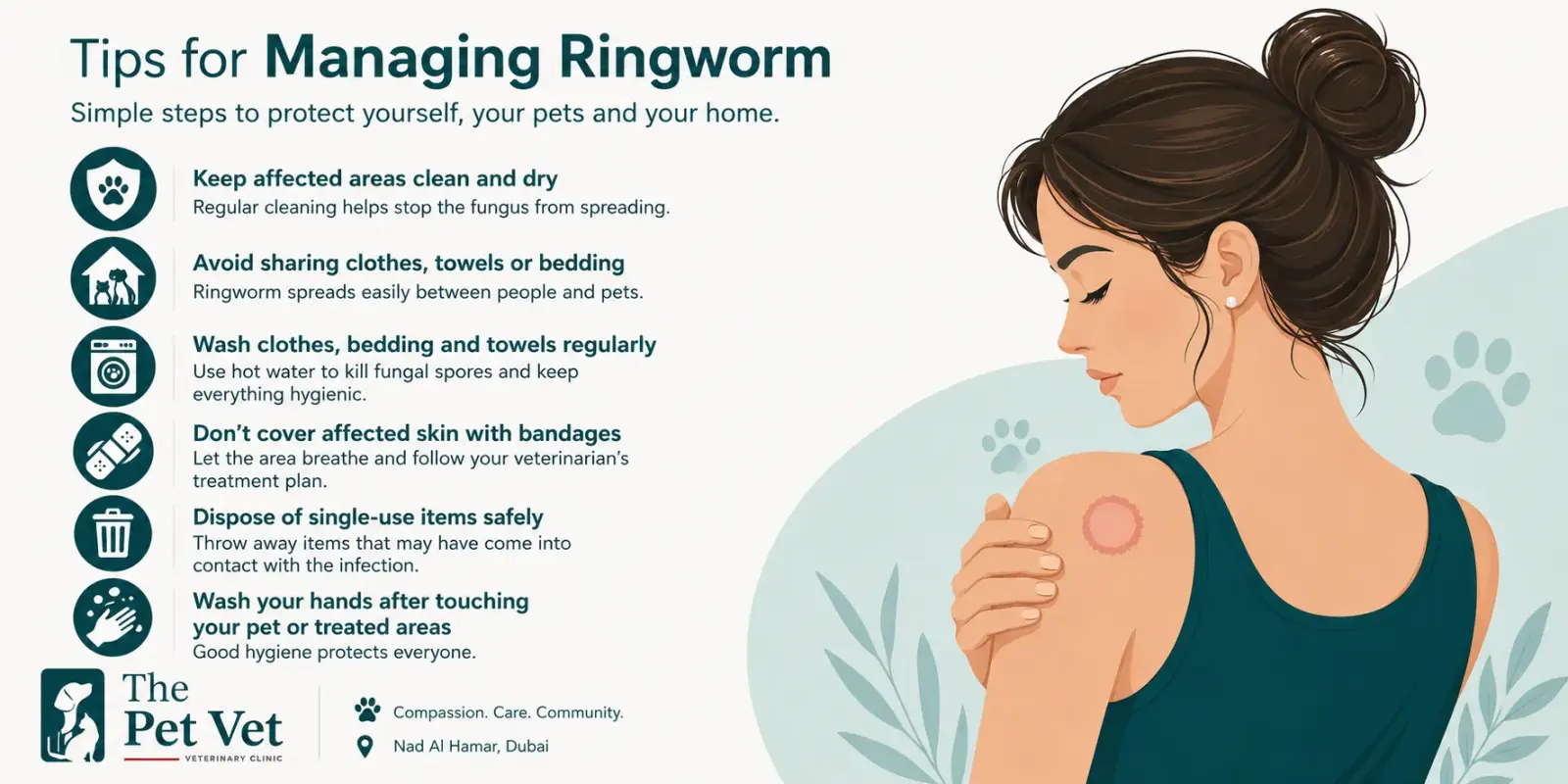
Environmental cleaning is equally critical. Vacuuming removes infected hairs from carpets and furniture, while washing bedding, blankets and soft furnishings reduces the risk of reinfection. Disinfecting carriers, litter box surroundings, grooming equipment and scratching posts is often necessary throughout treatment.
Without environmental control, many cats appear to recover only to become infected again weeks later.
Recovery, Prevention and When to Visit Your Veterinarian
Most owners understandably ask one question: "How long until my cat is completely better?"
Although many cats begin improving within two or three weeks, visible improvement does not necessarily mean the fungus has disappeared. Hair regrowth often occurs before the infection has been fully eliminated.
Most uncomplicated cases require at least four to six weeks of treatment, while severe infections can continue for several months.
Veterinarians usually recommend continuing therapy until follow-up testing confirms the fungus has been eradicated. Two consecutive negative fungal cultures are often used to confirm recovery.
The best prevention begins with reducing exposure. Newly adopted cats should be examined before meeting resident pets, and regular cleaning of bedding, grooming equipment and frequently used surfaces should become part of your routine.
Providing balanced nutrition, minimising stress and scheduling regular health checks all contribute to healthier skin and a stronger immune system.
If you notice unexplained hair loss, crusty skin, excessive scratching or unusual nail changes, don't wait for the problem to spread. Early diagnosis almost always leads to faster treatment, fewer complications and a lower risk of transmission to other pets and family members.
At The Pet Vet Veterinary Clinic in Nad Al Hamar, Dubai, our experienced veterinary team provides complete dermatology consultations, advanced fungal testing, personalised treatment plans and ongoing monitoring to help your cat recover safely while protecting the rest of your household.
Frequently asked questions
Can humans catch ringworm from cats?
Yes. Ringworm is a zoonotic fungal infection, meaning it can spread from cats to people through direct contact or contaminated objects such as bedding, clothing, grooming tools and furniture. Good hygiene and prompt veterinary treatment greatly reduce this risk.
How long does ringworm treatment take in cats?
Most cats require between four and six weeks of treatment, although more severe infections may need several months. Your veterinarian may recommend follow-up fungal cultures before stopping medication.
Can indoor cats get ringworm?
Absolutely. Indoor cats can become infected through contaminated objects, new pets entering the home, visitors carrying fungal spores on clothing or exposure during grooming or boarding.
Should I isolate my cat if it has ringworm?
Yes. Whenever possible, infected cats should be kept in a separate room until your veterinarian advises they are no longer contagious. This helps protect other pets and reduces environmental contamination.
When should I take my cat to a veterinarian?
Any cat with unexplained hair loss, circular bald patches, flaky skin, excessive scratching or persistent skin irritation should be examined promptly. Early diagnosis makes treatment easier and reduces the chance of spreading the infection.
Written by
The Pet Vet Team
Subscribe to Our Newsletter
Sign up for weekly pet health tips and insights from our veterinarians.