
Rabies in Cats
 The Pet Vet Team
Rabies is one of the deadliest diseases a cat can encounter, but it's also almost entirely preventable through vaccination. This guide from The Pet Vet in Nad Al Hamar explains how rabies spreads, what signs to watch for, how vaccination schedules work in the UAE, and what to do if your cat is ever bitten or scratched by another animal.
What Is Rabies, and Can Cats Get It?
Rabies is a viral disease that attacks the central nervous system, causing progressive damage to the brain and spinal cord that eventually leads to paralysis and death. Unlike many infections, there's no effective treatment once clinical signs appear — which is exactly why prevention matters so much.
Cats are fully susceptible to rabies, contracting it in the same way dogs and other mammals do. Many owners assume this is purely a "dog disease," but that's a dangerous misconception. Rabies is also zoonotic, meaning it can pass from animals to people, which is part of why veterinary authorities worldwide treat rabies control as seriously as they do.
How Do Cats Get Rabies?
Rabies spreads almost exclusively through the saliva of an infected animal, most commonly via a bite wound. Less often, infection can occur if infected saliva reaches an open wound, broken skin, or mucous membranes such as the eyes, nose, or mouth.
After entering the body, the virus doesn't cause immediate illness. It travels slowly along nerve pathways toward the spinal cord and brain, a journey that can take weeks or months depending on the bite location and amount of virus introduced. During this hidden phase, an infected cat usually looks and behaves completely normally, which makes early exposure easy to underestimate.
Is the UAE Rabies-Free?
According to the UAE Ministry of Health and Prevention, the country has recorded no confirmed rabies cases since the early 1990s, largely thanks to mandatory pet registration, strict vaccination requirements, and tight import controls. Some international bodies still classify the UAE more cautiously as "rabies-controlled" rather than officially rabies-free, partly because of the theoretical risk from regional wildlife.
In practice, this means rabies is genuinely rare in Dubai's domestic cat population, but the risk hasn't been fully eliminated. That distinction is exactly why vaccination remains a legal requirement here rather than an optional precaution — the low case numbers are a result of the rules being followed, not a reason to relax them.
The Rabies Incubation Period
One of the more unsettling aspects of rabies is how long it can hide before causing visible illness. In cats, the incubation period is commonly three to eight weeks, though symptoms have occasionally appeared as early as ten days or as late as several months after exposure.
During this window, the virus is quietly moving through the nervous system while the cat appears entirely healthy. Owners often assume a bite wound that's healed and a cat that's acting normally means everything is fine. Unfortunately, once symptoms do begin, the disease progresses fast — death typically follows within three to ten days of the first clinical signs appearing.
Signs and Stages of Rabies in Cats
Rabies generally moves through three recognizable stages. The first, lasting one to three days, is often subtle — a normally friendly cat may withdraw, or a shy cat may become unusually clingy or restless, often fixating on the original bite site.
The second stage, sometimes called the "furious" phase, brings the changes most people associate with rabies: aggression, disorientation, excessive drooling, unusual vocalization, and hypersensitivity to light, sound, or touch. In the final, "paralytic" stage, weakness spreads through the body, the jaw may hang open, and breathing becomes labored as paralysis progresses toward respiratory failure
Can Rabies Be Tested in a Living Cat?
Not definitively. There's no reliable way to confirm rabies in a living animal — the only certain diagnosis comes from a Direct Fluorescent Antibody (DFA) test performed on brain tissue after death, which is why prevention carries so much weight in how vets approach this disease.
What can be done in a living cat is a rabies titer test (often called a FAVN test), which measures whether a vaccinated cat's immune system produced enough antibodies — this is typically used for international travel rather than diagnosing illness. Results generally take a few weeks to come back from an approved laboratory, and how long the result stays valid depends entirely on the destination country's own import rules, so it's worth confirming those details well ahead of any trip.
How Often Do Cats Need a Rabies Shot?
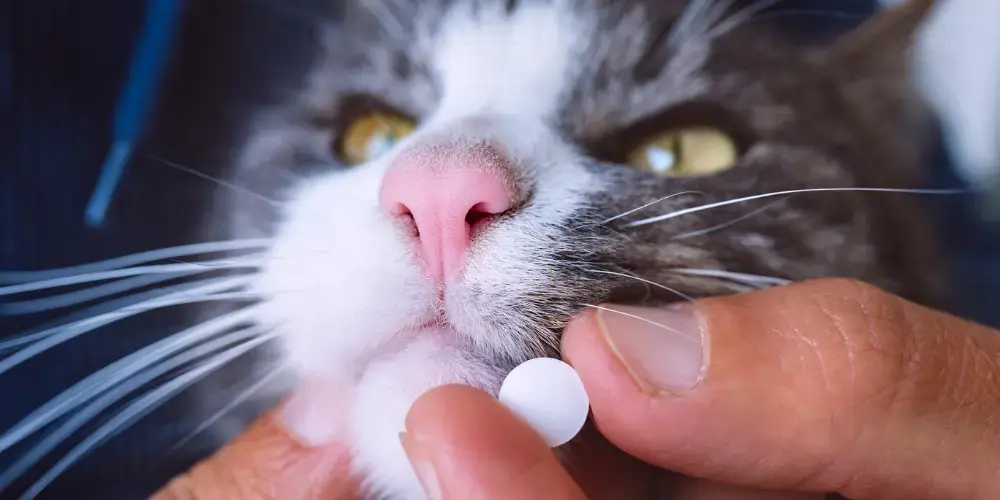
Yes, rabies vaccination is needed for every cat, including cats that live entirely indoors. Kittens typically receive their first rabies vaccine between 12 and 16 weeks of age, followed by a booster one year later, and then regular boosters afterward according to UAE regulations and your vet's recommendation.
Indoor cats aren't automatically exempt just because they don't go outside — accidental escapes, encounters with stray animals near open doors or balconies, and unexpected situations all remain possible. Given how serious and untreatable rabies is once symptoms appear, the vaccine's minimal cost and effort makes skipping it a risk that simply isn't worth taking.
Is the Rabies Vaccine Safe?
Rabies vaccines are considered very safe for the vast majority of cats, though — like any vaccine — no medical product carries a guarantee of zero reaction in every single animal. Most cats experience nothing more than mild, short-lived soreness at the injection site or slight tiredness for a day or so afterward.
After vaccination, it's generally sensible to avoid strenuous play or bathing your cat for a day or two and to keep an eye out for any swelling, vomiting, or unusual lethargy that lasts beyond 24-48 hours. If anything seems off longer than that, it's worth a quick call to your vet rather than waiting it out.
What to Do If Your Cat Is Bitten?
Contact a veterinarian immediately, regardless of how minor the wound looks or how many days have passed. Waiting a week is not automatically "too late" to act — but every day that passes matters, and prompt assessment gives your vet the best chance of deciding on the right next steps.
If your cat is already vaccinated, a booster shot may be given to strengthen the immune response following exposure. Unvaccinated cats exposed to a potentially rabid animal may need a strict quarantine period lasting several months, and in cases where symptoms consistent with rabies actually develop, public health regulations may require humane euthanasia to protect people and other animals.
Additional Prevention and When to Call the Vet
Vaccination remains the single most important safeguard, but a few habits add further protection. Keeping cats indoors reduces contact with strays and wildlife, and spaying or neutering can lower roaming and territorial fighting that leads to bite wounds in the first place. Avoid handling unfamiliar stray animals, even ones that seem friendly.
Call a vet immediately if your cat has been bitten, involved in a fight, exposed to wildlife, or shows sudden behavioral or neurological changes. At The Pet Vet in Nad Al Hamar, we help cat owners stay compliant with UAE rabies vaccination requirements while providing the preventive care that keeps this disease as rare in Dubai as it currently is.
A Quick Word From Our Team
If your cat has been bitten, scratched, or exposed to an unfamiliar animal, please don't wait to see how things look. Contact The Pet Vet Veterinary Clinic in Nad Al Hamar right away so we can assess the situation and advise on next steps, whether that's a booster vaccination, wound care, or further monitoring. Staying current on rabies vaccination is one of the simplest things you can do to protect your cat and everyone around them.
Frequently asked questions
Can humans catch rabies from a vaccinated cat?
The risk is extremely low. A properly vaccinated cat is very unlikely to develop or transmit rabies, since the vaccine trains the immune system to neutralize the virus before infection can take hold. This is one of the main reasons vaccination protects both pets and the people around them.
Does traveling with my cat require proof of rabies vaccination in the UAE?
Yes. Both entering and leaving the UAE with a cat typically requires an up-to-date rabies vaccination certificate, and some destinations may also require a titer test. Requirements vary by country, so it's best to confirm specifics with your vet well before booking travel.
What actually happens during the DFA test?
The Direct Fluorescent Antibody test uses specially treated antibodies on a sample of brain tissue, which glow a distinctive green under a microscope if rabies virus particles are present. Because it requires brain tissue, it can only be performed after death, which is why it isn't used to diagnose living animals.
If my cat is vaccinated, can a bite still make them sick with something else?
Yes. Vaccination protects specifically against rabies, not against other infections a bite wound can introduce, such as bacterial infections or abscesses. Any bite wound should still be checked and cleaned by a vet, even in a fully vaccinated cat.
Is rabies vaccination typically covered by pet insurance in Dubai?
Routine vaccinations, including rabies shots, are often categorized as preventive care and may not be covered under standard illness or accident insurance plans. Some wellness add-ons do include them, so it's worth checking your specific policy or asking your insurer directly.
Written by
The Pet Vet Team
Subscribe to Our Newsletter
Sign up for weekly pet health tips and insights from our veterinarians.