
Gingivitis in Cats
 The Pet Vet Team
Bad breath, red gums, or a cat suddenly avoiding dry food? These can be early signs of gingivitis — a common but often reversible dental condition. This guide from The Pet Vet in Nad Al Hamar explains why cats develop gingivitis, how to spot it early, what treatment involves, and how to protect your cat's oral health long-term.
What Is Gingivitis in Cats?
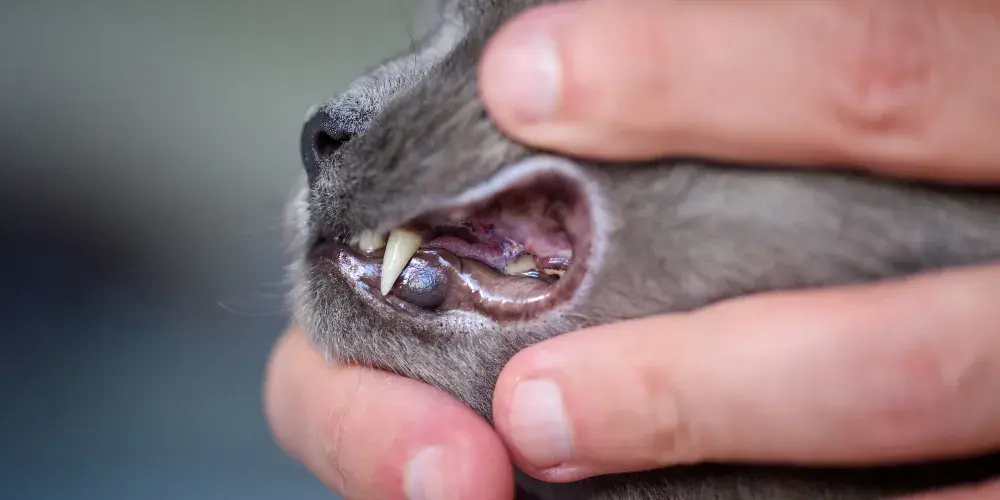
Gingivitis is inflammation of the gums surrounding the teeth, and it's usually the first visible sign of dental disease in cats. It develops when plaque — a sticky film of bacteria, food particles, and saliva — builds up along the gum line and triggers an inflammatory response.
Left alone, plaque hardens into tartar, creating an environment where bacteria multiply and gums become red, swollen, and irritated.
The good news is that gingivitis, unlike later stages of dental disease, is usually reversible. Catch it early and clean it properly, and the gums can return to a healthy state. Ignore it, and inflammation eventually reaches the structures supporting the teeth, becoming periodontal disease — which cannot be undone.
Why Do Cats Get Gingivitis So Easily?
Plaque buildup is the main driver, but it rarely acts alone. Several factors make cats particularly prone to gum inflammation.
Viral infections such as feline calicivirus and feline leukemia virus are known to worsen oral inflammation, and some cats simply have immune systems that overreact to normal levels of oral bacteria, occasionally progressing to a painful condition called feline stomatitis.
Dental anatomy matters too — cats with crowded or misaligned teeth, including some Persian, Himalayan, and Burmese cats, tend to accumulate plaque in spots that are harder to clean naturally.
Fractured teeth, tooth resorption, and systemic illnesses like diabetes or kidney disease can all tip the balance further, which is why gingivitis often has more going on beneath the surface than plaque alone.
Is It My Fault My Cat Has Gingivitis?
Not usually, and this is worth saying clearly: most gingivitis cases aren't a result of neglect. Cats are remarkably good at hiding oral discomfort, a trait left over from their wild instincts, so even attentive owners often miss the early signs simply because their cat isn't showing obvious pain.
Genetics, viral infections, dental anatomy, and underlying illness all play a role that has nothing to do with how well a cat is cared for.
What actually matters most going forward is catching it early and staying consistent with brushing and checkups from here on — that's the part owners genuinely can influence.
How Common Is Gingivitis in Cats?
Gingivitis is far more common than most owners assume. Studies suggest that roughly 80 to 85 percent of cats over three years old show some degree of dental disease, and gingivitis is consistently the most frequently diagnosed form.
At The Pet Vet, we regularly discover gum disease during routine wellness exams in cats whose owners had no idea anything was wrong.
That's not unusual — it's simply how quietly this condition tends to progress. It's also exactly why annual dental checks matter even when your cat seems completely fine at home.
Signs of Gingivitis in Cats
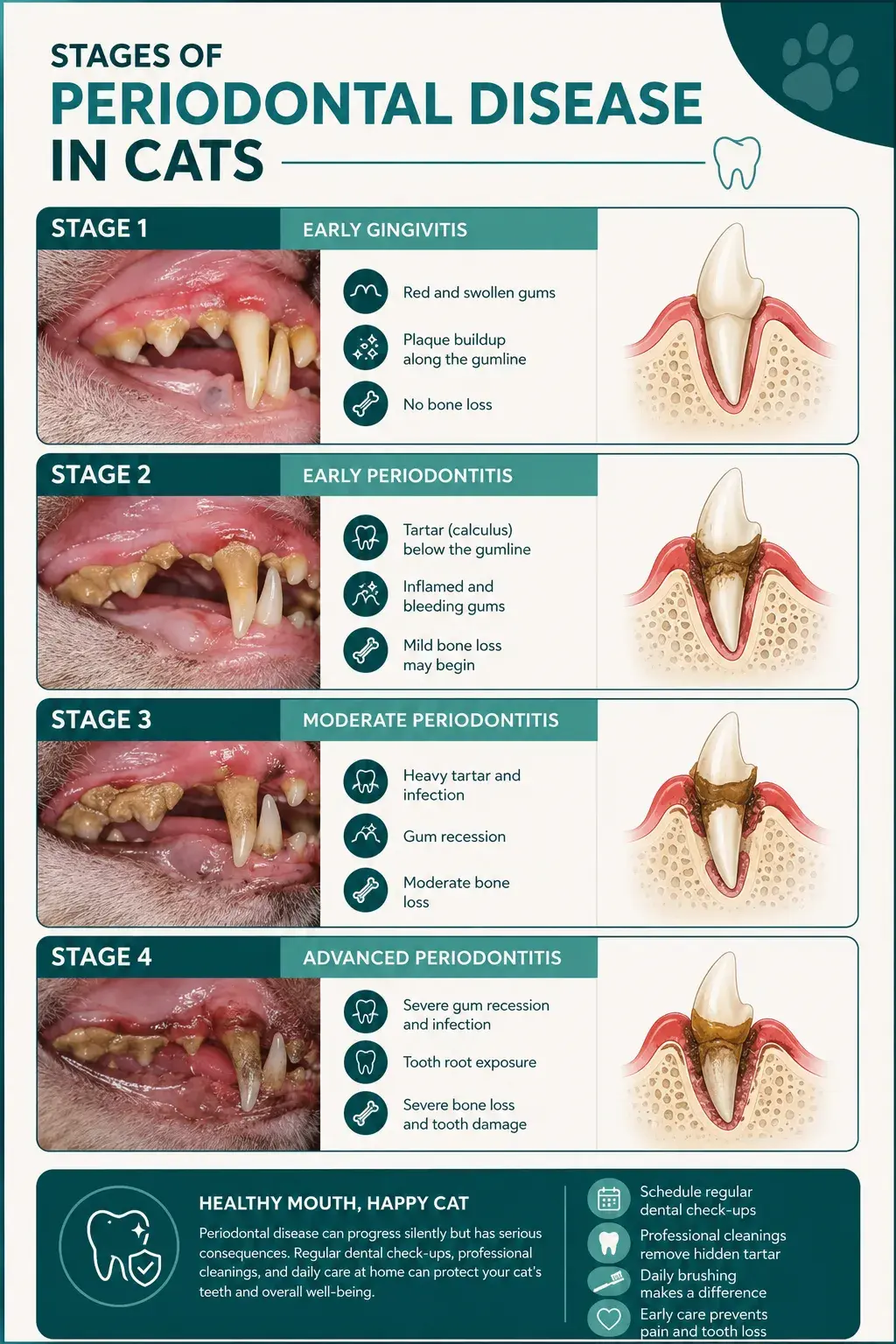
Symptoms often build up gradually, which is part of why they're so easy to miss. Watch for a combination of the following:
- Red, swollen, or bleeding gums
- Persistent bad breath
- Yellow or brown tartar along the gum line
- Drooling or pawing at the mouth
- Chewing on one side, or dropping food while eating
- Reduced appetite or slower eating
- Increased irritability or withdrawal
Bad breath is usually the earliest clue, though many owners write it off as normal "cat breath." Healthy gums should look pink and smooth — darker red, puffy, or bleeding gums are never something to dismiss, even if your cat seems otherwise fine.
What Happens If Gingivitis Is Left Untreated?
Left unchecked, gingivitis doesn't stay in one place. Inflammation gradually moves deeper beneath the gum line, eventually affecting the ligament and bone structures that hold teeth in place. At this stage, the condition becomes periodontitis, and unlike gingivitis, this damage is permanent.
Advanced periodontal disease can lead to loose or lost teeth, chronic pain, and ongoing infection. It doesn't always stop at the mouth either — bacteria from severely inflamed gums can enter the bloodstream, and research has linked chronic dental disease to problems affecting the heart, kidneys, and liver.
Treating gingivitis early is genuinely one of the simplest ways to protect a cat's long-term health.
How We Diagnose Gingivitis at The Pet Vet
Diagnosis starts with a hands-on oral exam, checking the gums, teeth, and tongue for inflammation, tartar, and signs of discomfort. But a true picture of what's happening usually requires an exam under anesthesia, since cats won't tolerate detailed probing below the gum line while awake.
Using periodontal probes, we measure gum pocket depth to check for hidden periodontal damage, and dental X-rays reveal what's happening beneath the surface — root infections, bone loss, or resorption that a visual exam alone would miss. Depending on the findings, we may also recommend blood work to rule out underlying illness contributing to the inflammation.
How Do You Treat Gingivitis in Cats?
Treatment centers on a professional dental cleaning performed under general anesthesia, which allows every surface of every tooth — including below the gum line — to be cleaned properly. Ultrasonic scaling removes plaque and tartar, followed by polishing to smooth the tooth surface and slow future buildup.
Depending on severity, your vet may also prescribe antibiotics, anti-inflammatory medication, or pain relief, and in cats with stomatitis, immune-modulating therapy is sometimes needed.
If any teeth are severely damaged or diseased, extraction is often the best path to lasting comfort — most cats feel noticeably better once a painful tooth is finally gone.
Can Cats Recover From Gingivitis?
Yes, and this is one of the more encouraging parts of the story. Gingivitis is genuinely reversible when it's caught and treated before it progresses to periodontal disease. Most cats recover fully after a professional cleaning, especially when owners follow up with consistent home care afterward.
Once periodontal disease has set in, though, the outlook changes — bone and ligament damage can't be reversed, only managed. This is really the core message behind this whole condition: cats absolutely can and do recover from gingivitis, but the window for full reversal narrows the longer it's left untreated.
What to Feed a Cat With Gingivitis — and How to Prevent It
Diet can genuinely help. Veterinary dental diets use kibble shapes and textures designed to reduce plaque buildup with each bite, and your vet can recommend one suited to your cat's needs. Softer wet food may be easier during flare-ups, but it won't slow plaque formation the way dental kibble can once gums have healed
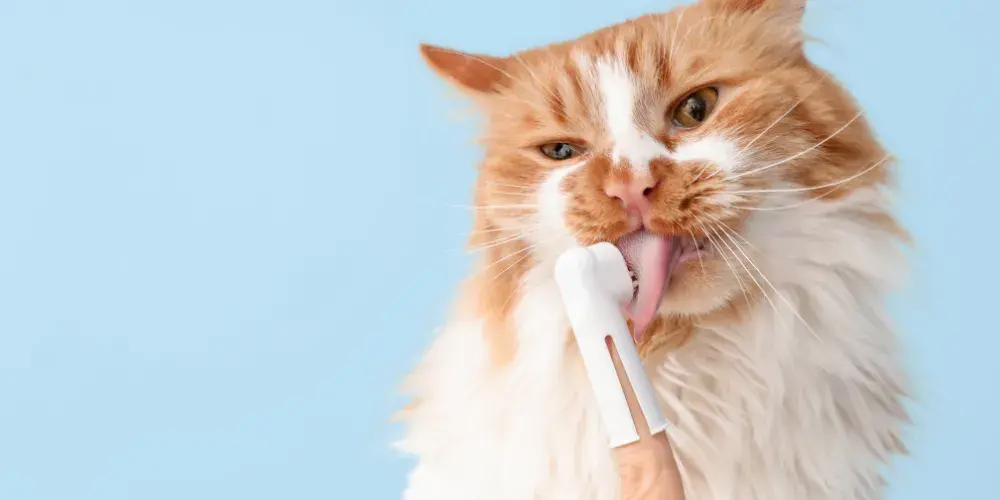
Beyond diet, regular tooth brushing with pet-safe toothpaste remains the single most effective habit — even two to three times a week makes a real difference.
Dental treats, oral rinses, and dental toys can support this routine, though they shouldn't replace brushing or professional cleanings. Most cats benefit from annual dental checkups, while those with a history of dental disease may need monitoring every six to nine months.
A Quick Word From Our Team
If your cat has bad breath, red or swollen gums, or seems to be eating differently, it's worth having them checked sooner rather than later.
The team at The Pet Vet Veterinary Clinic in Nad Al Hamar can assess your cat's oral health and recommend the right next step, whether that's a cleaning, a diet change, or simply peace of mind. Catching gingivitis early makes treatment simpler and far more comfortable for your cat.
Frequently asked questions
How much does treating gingivitis cost in Dubai?
Costs vary depending on severity and whether extractions or X-rays are needed. A straightforward cleaning costs less than a case requiring additional treatment for advanced disease. Your vet can give you a clearer estimate once your cat has been examined.
Can kittens get gingivitis?
Yes, though it's less common than in adult cats. Some kittens develop a temporary gum inflammation around the time adult teeth come in, which often resolves on its own. Persistent redness or discomfort in a kitten still warrants a vet visit.
Is anesthesia safe for cats during dental cleaning?
Modern anesthesia protocols are considered very safe for healthy cats, and pre-anesthetic bloodwork helps identify any risks beforehand. Your vet will tailor the approach based on your cat's age and health status to keep the procedure as safe as possible.
How can I get my cat used to tooth brushing?
Start slowly by letting your cat lick pet-safe toothpaste off your finger, then gradually introduce a soft brush over several days. Short, calm sessions paired with praise or treats usually work better than trying to do a full brushing right away.
Does gingivitis cause bad breath in every cat?
Not always, but it's one of the most common signs. Some cats show subtle bad breath while others have none despite visible gum inflammation. Because bad breath isn't guaranteed, regular dental checks matter even if your cat's breath seems fine.
Written by
The Pet Vet Team
Subscribe to Our Newsletter
Sign up for weekly pet health tips and insights from our veterinarians.