
Feline Herpesvirus in Cats
 The Pet Vet Team
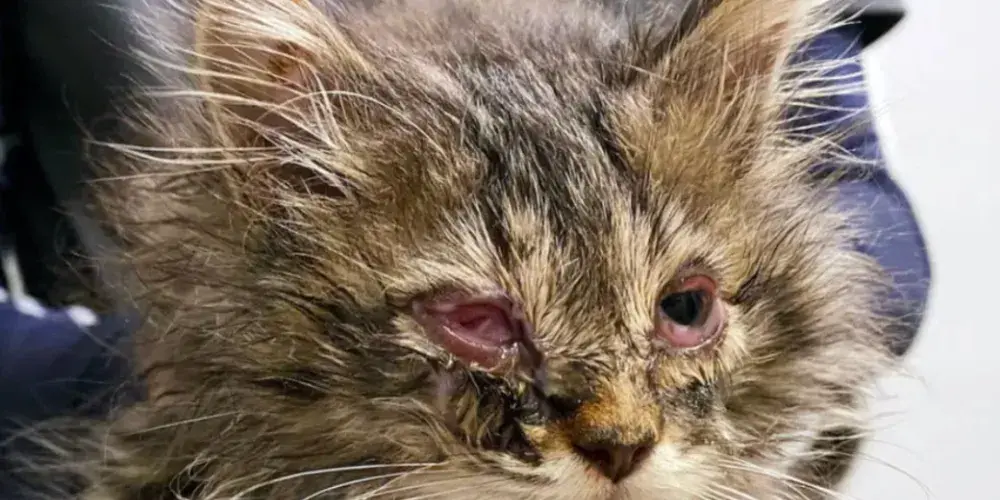
Feline Herpesvirus in Cats: A Complete Guide for Cat Owners in Dubai
If your cat has been sneezing, has watery eyes, a runny nose, or seems to have what looks like a persistent cold, you may have wondered whether it's just a minor illness or something more serious. One of the most common causes of these symptoms is Feline Herpesvirus Type-1 (FHV-1), a viral infection that affects millions of cats around the world.
At The Pet Vet Veterinary Clinic in Nad Al Hamar, Dubai, feline herpesvirus is one of the conditions we diagnose regularly, especially in kittens, rescue cats, multi-cat households, and cats that have recently stayed in boarding facilities. Although hearing the word "herpesvirus" can sound worrying, the good news is that most cats go on to live long, comfortable lives with the right veterinary care and ongoing management.
The important thing is recognising the signs early, understanding why the virus comes back from time to time, and knowing how to support your cat throughout its life.
What Is Feline Herpesvirus and Why Is It So Common?
Feline Herpesvirus Type-1 is a highly contagious virus that mainly affects a cat's upper respiratory tract and eyes. It is one of the leading causes of cat flu and upper respiratory infections worldwide.
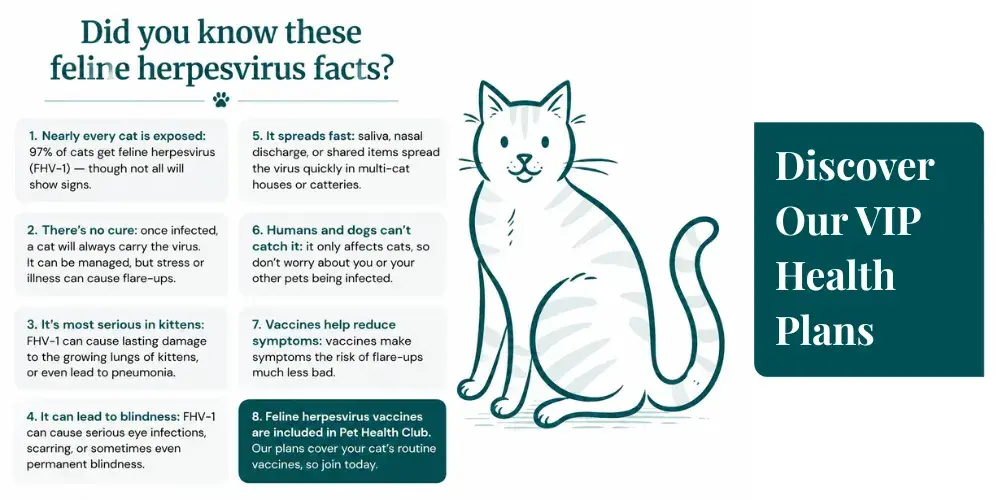
Unlike bacterial infections, which can often be eliminated completely with medication, herpesviruses behave differently. After the first infection, the virus settles inside the body's nerve cells where it remains inactive. During this period your cat may appear perfectly healthy, sometimes for years.
However, if the immune system becomes stressed or weakened, the virus can reactivate, leading to another flare-up of sneezing, eye discharge, or respiratory symptoms.
This lifelong ability to "hide" inside the body is what makes feline herpesvirus unique.
Fortunately, carrying the virus does not mean your cat will always be sick. Many infected cats rarely experience symptoms once their immune system is well supported.
How Cats Become Infected with Feline Herpesvirus
One reason feline herpesvirus is so widespread is because it spreads easily between cats.
The virus is present in saliva, nasal secretions and eye discharge. Cats can become infected through grooming each other, sharing food and water bowls, playing together or simply being in close contact.
It can also survive for a short period on items such as bedding, litter trays, carriers, toys and grooming brushes, allowing indirect transmission between cats.
Mother cats can pass the virus to their kittens through close contact after birth, making young kittens particularly vulnerable.
Cats living in shelters, breeding facilities, rescue organisations or boarding kennels have a greater chance of exposure because they are surrounded by many other cats.
Even indoor cats are not completely protected. A newly adopted kitten, an infected foster cat or contaminated equipment can introduce the virus into the household.
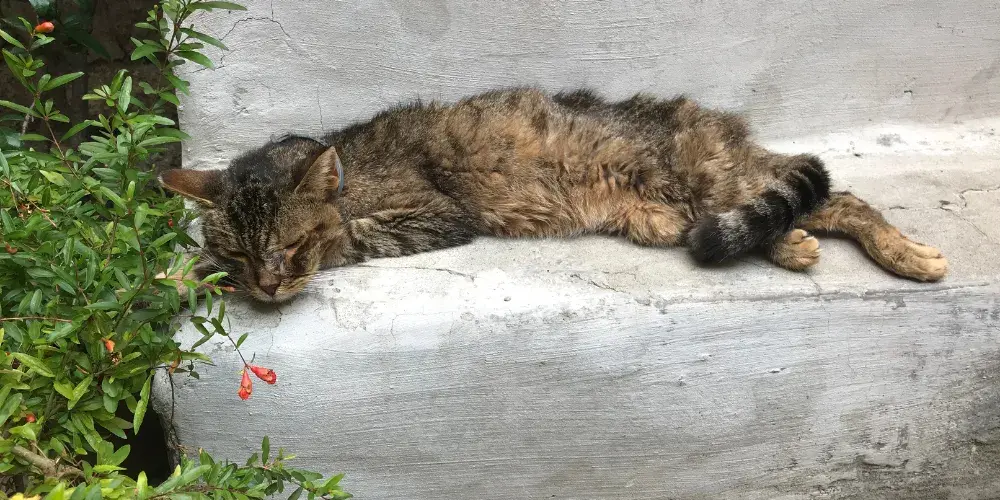
Signs and Symptoms of Feline Herpesvirus in Cats
The symptoms can vary greatly from one cat to another. Some experience only mild cold-like signs, while others develop severe eye disease or recurring respiratory infections.
The most common symptoms include:
- Frequent sneezing
- Runny nose
- Nasal congestion
- Watery or sticky eyes
- Red, swollen eyes (conjunctivitis)
- Squinting or keeping one eye closed
- Reduced appetite
- Fever
- Lethargy
- Difficulty smelling food
- Mild coughing
- Corneal ulcers in severe cases
Many owners first notice repeated sneezing and watery eyes and assume their cat has allergies or a simple cold. Unfortunately, because feline herpesvirus is so common, these symptoms should never be ignored.
Young kittens can deteriorate quickly because congestion makes eating difficult. Since cats rely heavily on their sense of smell, a blocked nose often leads to loss of appetite, which can become dangerous if left untreated.
Why Eye Problems Are One of the Biggest Concerns
One of the reasons veterinarians take feline herpesvirus seriously is because of its effect on the eyes.
In many cats, the virus doesn't just cause respiratory disease. It also attacks the tissues surrounding the eyes, leading to painful inflammation and recurring eye infections.
You may notice that your cat has constantly watery eyes, thick discharge, redness or excessive blinking. Some cats become sensitive to light and prefer darker rooms because opening their eyes becomes uncomfortable.
In more severe cases, the virus damages the cornea, the clear surface covering the eye. This can result in corneal ulcers, which are extremely painful and require immediate veterinary treatment.
Without proper care, corneal ulcers may lead to permanent scarring or even vision loss.
At The Pet Vet, every cat showing eye symptoms receives a thorough ophthalmic examination to identify complications before they become more serious.
Why Does Feline Herpesvirus Keep Coming Back?
One question we hear regularly from cat owners is:
"My cat recovered months ago. Why is she sneezing again?"
The answer lies in the nature of the virus itself.
After the initial infection, feline herpesvirus remains dormant inside the nervous system. During this stage your cat appears healthy and may not show any symptoms at all.
Certain situations can trigger the virus to reactivate, including stress, illness or changes that temporarily weaken the immune system.
Common triggers include moving to a new home, introducing another pet, boarding, surgery, pregnancy, travelling, major household changes or any illness that places additional stress on the body.
This explains why a cat may remain symptom-free for years before suddenly developing watery eyes and sneezing again.
Understanding these triggers allows owners to reduce the frequency of flare-ups by maintaining a stable routine and minimising unnecessary stress.
How We Diagnose Feline Herpesvirus at The Pet Vet
Diagnosing feline herpesvirus starts with listening carefully to your cat's medical history and performing a complete physical examination.
Recurring sneezing combined with eye inflammation often provides strong clues, but because several respiratory diseases can look similar, additional testing may sometimes be recommended.
One of the most accurate tests available is PCR testing. A small swab is taken from the eyes, nose or mouth and analysed for the virus's DNA. This allows us to confirm whether feline herpesvirus is responsible for your cat's symptoms.
If eye disease is present, we also perform a detailed examination of the cornea and surrounding tissues.
When ulcers are suspected, we use a special fluorescein stain. This harmless dye highlights damaged areas of the cornea so we can determine whether ulceration is present and select the most appropriate treatment.
Early diagnosis is particularly important because prompt treatment greatly improves comfort and reduces the risk of long-term complications.
Treatment for Feline Herpesvirus in Cats
Although there is currently no cure that removes feline herpesvirus from the body, modern veterinary medicine offers several effective treatments that help control symptoms and improve quality of life.
Treatment depends on the severity of your cat's condition and whether complications have developed.
Antiviral medication, particularly famciclovir, is commonly prescribed during active flare-ups. It helps reduce viral replication, shortens the duration of illness and often makes cats feel better much sooner.
If secondary bacterial infections develop, antibiotics may also be necessary. While antibiotics cannot kill the virus itself, they are extremely helpful when bacteria take advantage of inflamed airways.
Cats with eye involvement often require medicated eye drops or ointments to reduce inflammation, prevent infection and support healing.
Supportive care is equally important. Cleaning away nasal discharge and eye secretions improves comfort, while encouraging eating with warmed wet food helps maintain nutrition during recovery. Adequate hydration also plays a significant role in healing.
Every cat is different, which is why treatment plans should always be tailored by a veterinarian rather than relying on home remedies or over-the-counter medications.
Can Feline Herpesvirus Be Prevented?
Although no vaccine completely prevents infection, vaccination remains the most effective way to protect your cat from severe disease.
The feline herpesvirus vaccine is considered a core vaccination and forms part of every kitten vaccination programme. Vaccinated cats may still become infected, but they usually experience much milder symptoms and recover more quickly.
Alongside vaccination, good hygiene significantly reduces the spread of infection between cats.
Regularly cleaning food bowls, water bowls, litter trays, bedding, carriers and grooming equipment helps minimise contamination, particularly in homes with multiple cats.
Reducing stress is equally important. Cats thrive on routine, and maintaining a calm environment with predictable feeding times, enrichment and gradual introductions to new situations helps keep the immune system functioning well.
For cats with recurring flare-ups, regular veterinary check-ups allow us to monitor eye health and adjust treatment whenever necessary before symptoms become severe.
When Should You Visit a Veterinarian?
Because feline herpesvirus shares symptoms with several other respiratory diseases, it's always safest to have your cat examined rather than trying to diagnose the problem at home.
You should arrange a veterinary appointment if your cat is sneezing repeatedly, develops eye discharge, has swollen or painful eyes, stops eating, becomes lethargic or struggles to breathe comfortably through the nose.
Kittens require especially prompt attention because dehydration and poor appetite can become serious much faster than in adult cats.
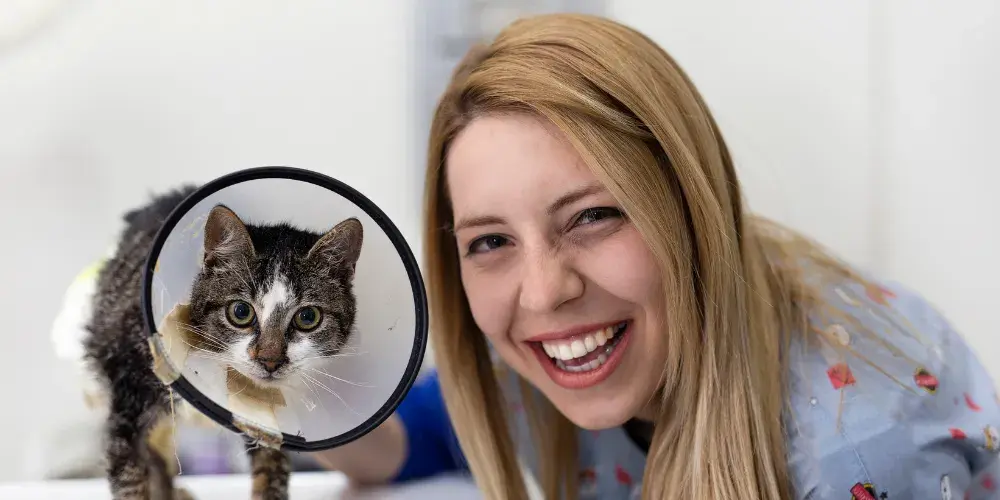
At The Pet Vet Veterinary Clinic in Nad Al Hamar, Dubai, we regularly diagnose and treat feline herpesvirus using advanced diagnostic equipment and personalised treatment plans designed around each individual cat.
Whether your cat is experiencing its first infection or recurring flare-ups, early treatment can make a significant difference to both recovery and long-term eye health.
The reassuring news is that while feline herpesvirus stays with a cat for life, it doesn't have to control your cat's life. With regular veterinary care, vaccination, good nutrition and a low-stress environment, most affected cats continue to enjoy many healthy and happy years with their families.
Frequently asked questions
Can feline herpesvirus be cured?
No. Once a cat is infected, the virus remains in the body for life. However, most cats can live normal lives with appropriate treatment and management of flare-ups.
Is feline herpesvirus contagious to humans or dogs?
No. Feline herpesvirus only affects cats. It cannot spread to humans, dogs or other species.
What causes feline herpesvirus flare-ups?
Stress, illness, surgery, boarding, moving home, introducing new pets and other situations that weaken the immune system are common triggers.
Should indoor cats be vaccinated against feline herpesvirus?
Yes. Even indoor cats should receive routine vaccinations because they can still be exposed through new pets, visitors, foster cats or before they were adopted.
When should I take my cat to the vet for sneezing or watery eyes?
If symptoms last more than a day or two, worsen, affect your cat's appetite, or are accompanied by eye pain or discharge, you should arrange a veterinary examination as soon as possible.
Written by
The Pet Vet Team
Subscribe to Our Newsletter
Sign up for weekly pet health tips and insights from our veterinarians.