
Feline Calicivirus in Cats
 The Pet Vet Team
Symptoms, Treatment, Prevention and When to Visit a Vet in Dubai
Symptoms, Treatment, Prevention and Recovery Guide for Cat Owners in Dubai
Cats are incredibly good at hiding when they feel unwell. What starts as a few sneezes or watery eyes may seem harmless at first, but sometimes these symptoms are the beginning of a viral infection that requires veterinary care. One of the most common respiratory viruses seen in cats around the world is Feline Calicivirus (FCV).
At The Pet Vet Veterinary Clinic in Nad Al Hamar, Dubai, we regularly diagnose and treat cats with respiratory infections, oral ulcers, and viral illnesses. Many owners are surprised to learn that feline calicivirus doesn't only affect the nose and eyes. It can also cause painful mouth ulcers, limping, fever, and in rare cases, severe life-threatening disease.
The good news is that with early veterinary attention, supportive treatment, and proper vaccination, most cats recover well.
Whether you have a playful kitten, an indoor cat, a rescued stray, or several cats living together, understanding feline calicivirus can help you recognise the warning signs early and keep your feline companion healthy.
What Is Feline Calicivirus?
Feline calicivirus is a highly contagious viral infection that mainly affects a cat's upper respiratory system and mouth. It is one of the leading causes of feline upper respiratory infections worldwide and is frequently diagnosed alongside other respiratory viruses such as feline herpesvirus.
Unlike many viruses, FCV constantly changes over time. New strains develop naturally, which explains why the disease can look very different from one cat to another. Some cats experience only mild cold-like symptoms and recover within a week, while others develop painful mouth ulcers, pneumonia, inflammation of the joints, or widespread illness affecting several organs.
After entering the body, the virus attacks the cells lining the mouth and respiratory tract. As it multiplies, inflammation develops, leading to sneezing, nasal discharge, eye irritation, ulcers, and fever.
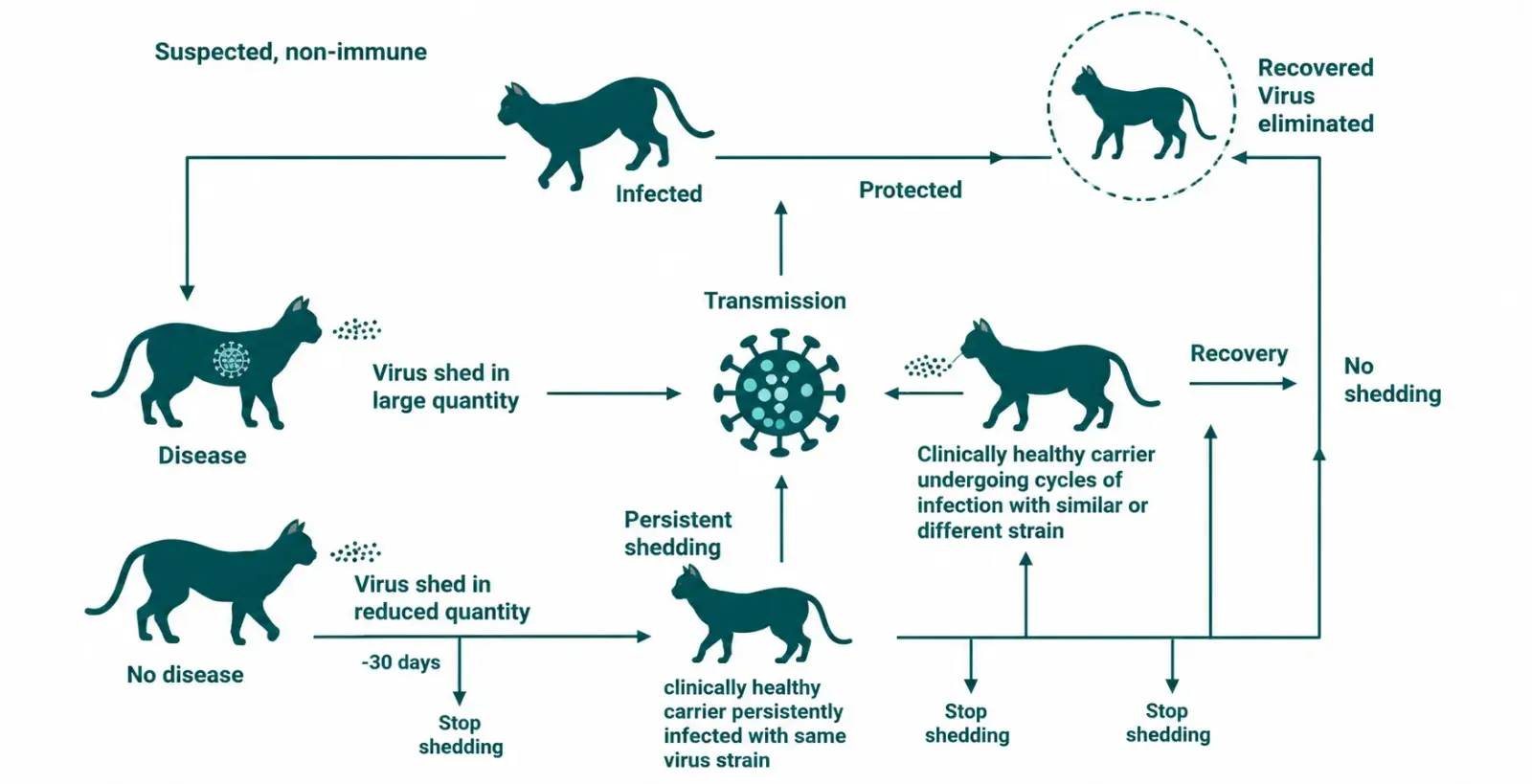
Another reason feline calicivirus remains so common is that many recovered cats continue to carry the virus. Even though they appear completely healthy, they may still shed the virus for weeks, months, or even longer, potentially infecting other cats.
Why Cat Owners in Dubai Should Know About FCV
Dubai is home to thousands of indoor cats, rescued cats, pedigree cats, and outdoor community cats. Many cats also spend time at veterinary clinics, boarding facilities, grooming salons, pet hotels, rescue organisations, or catteries where they may come into contact with other animals.
Whenever multiple cats share the same environment, the chance of infectious diseases spreading naturally increases.
Fortunately, reputable veterinary clinics and boarding facilities throughout Dubai require vaccinations before admitting cats. This significantly reduces outbreaks of contagious diseases, including feline calicivirus.
However, no vaccine can guarantee complete protection. Even vaccinated cats may become infected if exposed to certain strains of the virus. The difference is that vaccinated cats usually develop much milder symptoms and recover more quickly than unvaccinated cats.
For cat owners across Dubai and the UAE, recognising the signs of feline calicivirus and seeking prompt veterinary care can make a significant difference in recovery.
How Does Feline Calicivirus Spread Between Cats?
One reason FCV remains widespread is because it spreads extremely easily.
The virus is present in saliva, nasal secretions, and eye discharge. When infected cats groom each other, sneeze, share food bowls, water bowls, litter trays, toys, or bedding, the virus can quickly pass from one cat to another.
Unlike some viruses that die quickly outside the body, feline calicivirus is remarkably resistant. Under suitable conditions, it can survive on contaminated surfaces for several weeks.
This means objects such as cat carriers, grooming equipment, blankets, feeding bowls, litter scoops, or even examination tables at veterinary facilities can temporarily harbour the virus if not properly disinfected.
People can also unknowingly carry the virus on their hands, clothing, or shoes after handling an infected cat. Although humans cannot become infected, they may accidentally transfer the virus between cats.
This explains why shelters, rescue centres, breeding facilities, boarding catteries, and multi-cat households experience outbreaks more often than homes with only one cat.
Symptoms of Feline Calicivirus in Cats
Many owners initially mistake feline calicivirus for a simple cold because the earliest signs are often mild respiratory symptoms.
A cat may begin sneezing more than usual or develop watery eyes. Within a day or two, additional symptoms may appear as the infection progresses.
Some cats continue eating normally despite mild illness, while others become reluctant to eat because their mouths become painful.
Common symptoms include:
- Sneezing, nasal congestion and runny nose
- Watery or sticky eye discharge
- Red or inflamed eyes
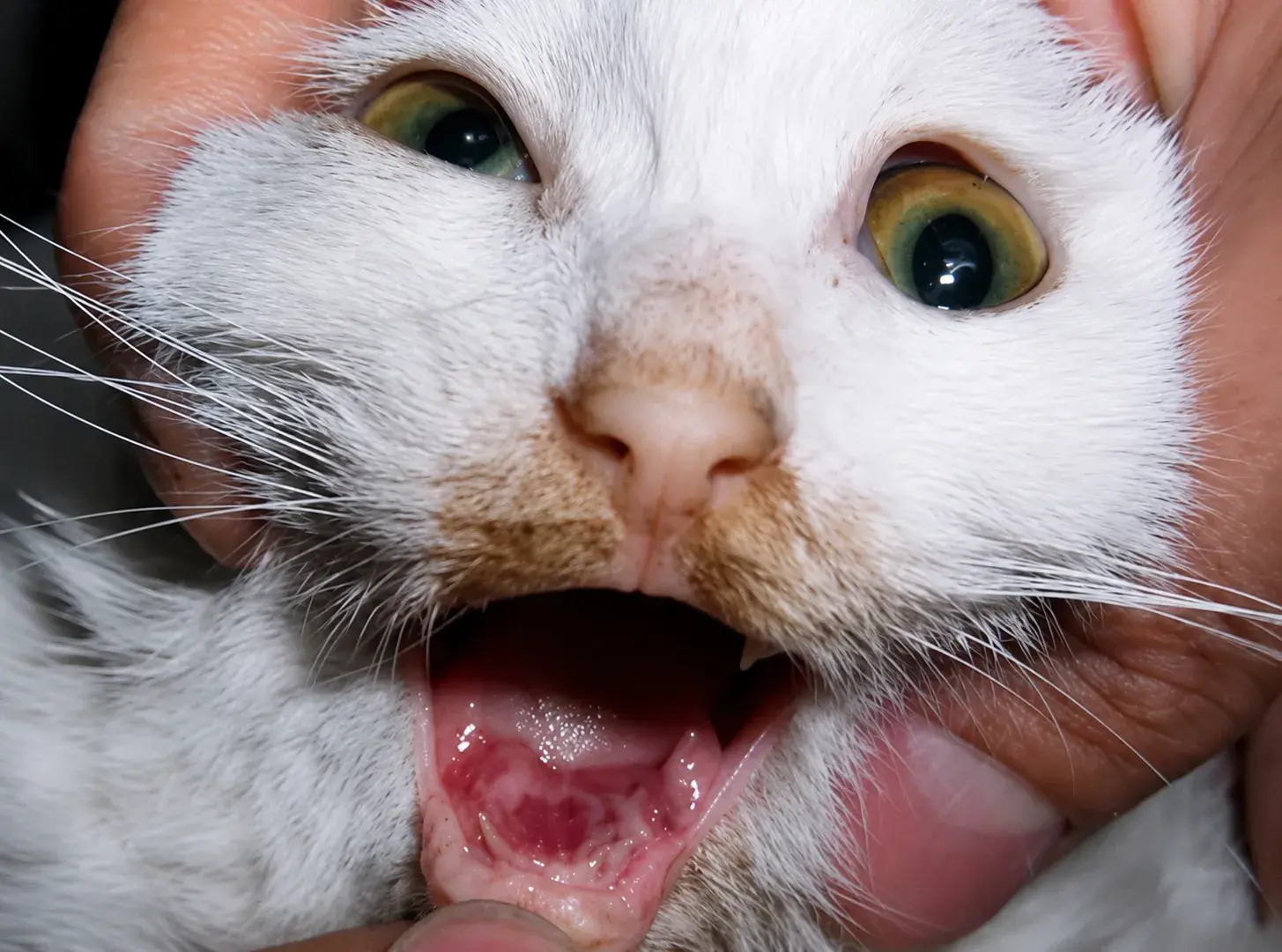
- Painful mouth ulcers on the tongue, gums or lips
- Excessive drooling
- Fever
- Loss of appetite
- Lethargy and reduced activity
- Bad breath caused by oral ulcers
- Joint pain or temporary limping
One of the classic signs of feline calicivirus is the presence of painful ulcers inside the mouth. These sores make chewing uncomfortable, so many cats stop eating altogether. Owners often believe their cat has suddenly become fussy, when in reality eating has simply become too painful.
Cats also rely heavily on their sense of smell to stimulate appetite. Nasal congestion reduces their ability to smell food, making appetite loss even worse.
If your cat refuses food for more than 24 hours, especially if they are a kitten or have underlying health problems, they should be examined by a veterinarian as soon as possible.
Can Feline Calicivirus Become Serious?
Although most cats recover with supportive care, feline calicivirus should never be dismissed as "just a cold."
A rare but aggressive strain known as Virulent Systemic Feline Calicivirus (VS-FCV) can cause severe illness throughout the body.
Affected cats may develop extremely high fevers, swelling of the face or limbs, skin ulcers, jaundice, breathing difficulties, bleeding disorders, and damage to internal organs.
These cases require immediate intensive veterinary treatment and hospitalisation. Unfortunately, despite aggressive care, this form of the disease can sometimes be fatal.
Thankfully, systemic calicivirus remains uncommon. Nevertheless, it highlights why any cat showing severe respiratory signs, persistent fever, weakness, or refusal to eat should receive prompt veterinary attention.
Which Cats Are Most at Risk?
Any cat can become infected with feline calicivirus, but some are more vulnerable than others.
Young kittens have immature immune systems, making it harder for them to fight viral infections. Senior cats may also struggle because their immune defences naturally weaken with age.
Cats with chronic illnesses, kidney disease, diabetes, feline immunodeficiency virus (FIV), feline leukaemia virus (FeLV), or other conditions affecting the immune system often experience more severe symptoms.
Unvaccinated cats remain at the highest risk because they have not developed protective immunity against common strains of the virus.
Outdoor cats also face increased exposure due to contact with stray cats or contaminated environments.
If your cat belongs to any of these higher-risk groups, keeping vaccinations current and attending regular health checks becomes even more important.
How Is Feline Calicivirus Diagnosed and Treated?
Experienced veterinarians often suspect feline calicivirus after examining a cat with respiratory symptoms combined with mouth ulcers.
However, several feline diseases can look very similar, including feline herpesvirus, bacterial respiratory infections, dental disease, and even foreign bodies lodged in the mouth.
At The Pet Vet Veterinary Clinic in Nad Al Hamar, every diagnosis begins with a complete physical examination. We assess your cat's breathing, hydration, temperature, oral cavity, eyes, nose, and overall health before recommending the most appropriate investigations.
When confirmation is needed, RT-PCR testing is the most accurate laboratory method for detecting feline calicivirus. Swabs collected from the mouth, nose, or eyes are analysed to identify the virus's genetic material.
Blood tests may also be recommended to assess organ function, hydration levels, immune response, and to rule out other illnesses.
There is currently no medication that directly eliminates feline calicivirus. Treatment focuses on supporting your cat while their immune system clears the infection.
Depending on the severity, treatment may include pain relief for mouth ulcers, antibiotics if secondary bacterial infections develop, anti-inflammatory medications, nutritional support, appetite stimulants, fluid therapy to prevent dehydration, nebulisation for respiratory congestion, and hospitalisation for severely affected cats.
Most uncomplicated cases begin improving within seven to ten days, although recovery may take longer in more severe infections.
Vaccination and Prevention: The Best Protection for Your Cat
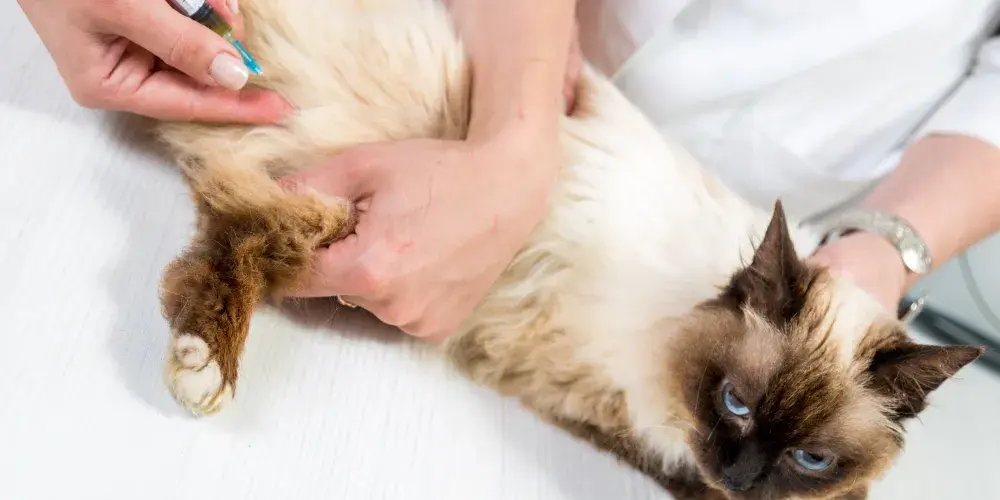
accination remains the most effective way to reduce the impact of feline calicivirus.
The FCV vaccine is considered a core feline vaccination because of how common and contagious the disease is. While vaccinated cats can still become infected, they almost always experience milder illness and a much lower risk of serious complications.
Kittens usually begin their vaccination course at six to eight weeks of age, followed by several booster injections to build lasting immunity. Adult cats then require regular booster vaccinations according to their lifestyle and veterinary recommendations.
Vaccination is especially important for cats that visit boarding facilities, grooming salons, veterinary clinics, cat shows, or homes with multiple cats.
Good hygiene is equally valuable. Cleaning food bowls, litter trays, bedding, toys, carriers, and frequently touched surfaces helps reduce environmental contamination. New cats should ideally be introduced gradually, and any cat showing respiratory symptoms should be separated from healthy cats until examined by a veterinarian.
Even indoor cats should remain fully vaccinated because exposure can occur through visitors, veterinary appointments, grooming visits, or contaminated objects brought into the home.
When Should You Bring Your Cat to The Pet Vet?
Cats rarely complain when they feel unwell. Instead, they quietly hide, sleep more, or stop eating.
If your cat develops persistent sneezing, nasal discharge, eye discharge, mouth ulcers, excessive drooling, loss of appetite, fever, or breathing difficulties, don't wait for symptoms to worsen.
Early veterinary care can reduce discomfort, prevent dehydration, minimise complications, and speed recovery.
At The Pet Vet Veterinary Clinic in Nad Al Hamar, Dubai, we provide comprehensive examinations, advanced diagnostics, laboratory testing, vaccination programmes, supportive treatment, and personalised recovery plans for cats with respiratory infections, including feline calicivirus.
Our team understands that every cat is different. Whether your pet has mild symptoms or requires intensive medical care, we are committed to helping them recover comfortably while giving you the guidance and reassurance you need as a pet owner.
Because when your cat isn't feeling their best, having experienced veterinary professionals by your side can make all the difference.
Frequently asked questions
Is feline calicivirus contagious to other cats?
Yes. Feline calicivirus is highly contagious and spreads through saliva, nasal discharge, eye discharge, shared food bowls, litter trays, grooming equipment, bedding, and contaminated surfaces.
Can humans or dogs catch feline calicivirus?
No. Feline calicivirus only affects cats. It is not considered a zoonotic disease, so it does not infect people or dogs.
How long does feline calicivirus last?
Most cats recover within 7 to 10 days with supportive veterinary care, although more severe infections or complications may require several weeks of treatment and recovery.
Can vaccinated cats still get feline calicivirus?
Yes. Because the virus has many different strains, vaccinated cats may still become infected. However, vaccination significantly reduces the severity of illness and lowers the risk of complications.
Should indoor cats be vaccinated against feline calicivirus?
Absolutely. Indoor cats can still be exposed during veterinary visits, grooming appointments, boarding stays, or through contaminated clothing, carriers, and other objects. Keeping vaccinations up to date remains one of the best ways to protect your cat.
Written by
The Pet Vet Team
Subscribe to Our Newsletter
Sign up for weekly pet health tips and insights from our veterinarians.