
Cat Sneezing: Causes, Treatment and Prevention for Cats in Dubai
 The Pet Vet Team
An occasional sneeze is nothing to worry about, but frequent or persistent sneezing can point to allergies, infection, or something more serious. This guide from The Pet Vet in Nad Al Hamar explains why cats sneeze in Dubai's dusty, air-conditioned environment, when it's time to see a vet, and how to reduce irritants at home.
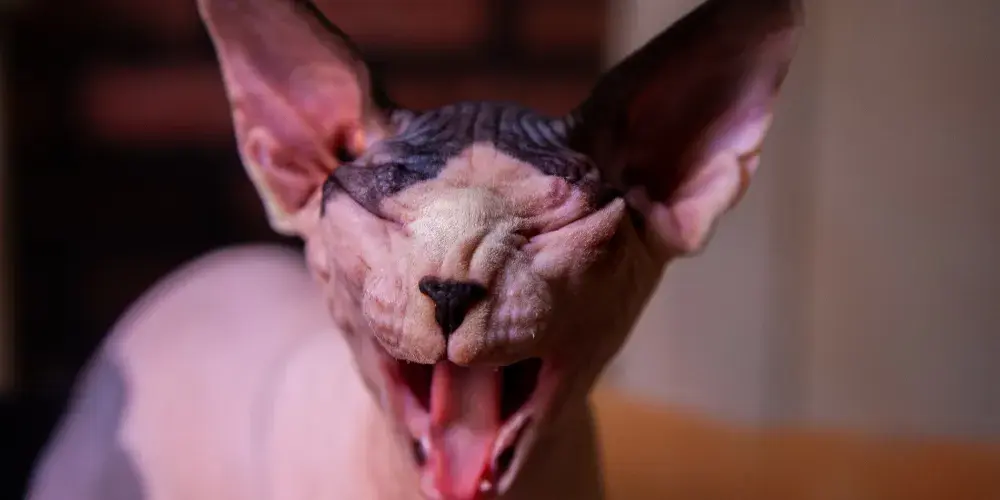
Why Do Cats Sneeze?
Sneezing is simply a reflex that clears irritants or blockages from the nasal passages, and an occasional sneeze here and there is completely normal. It only becomes a concern when it happens frequently, persists for days, or comes paired with other symptoms.
In Dubai specifically, cats face a fairly unique set of triggers. The hot, dusty, sandy climate means airborne particles are a near-constant presence, and heavy reliance on air conditioning adds another layer — poorly maintained units can circulate mold spores, dust, and bacteria straight into the air a cat breathes all day. Add in genuinely infectious causes like viruses and bacteria, and it's clear sneezing can stem from a wide range of sources.
Can Cats Sneeze Without Being Sick, or When Stressed?
Yes, and this is worth reassuring anxious owners about. A cat can sneeze occasionally from simple irritation — a puff of dust, a strong scent, or a bit of litter dust — without being unwell at all. Stress itself doesn't typically cause sneezing directly, but a stressed cat's immune system can be more reactive to environmental triggers already present.
This is where household scents matter more than owners often realize. Scented candles, incense, and bakhoor — a fragranced resin commonly burned in Emirati and Gulf households — release fine particulate smoke that can irritate a cat's sensitive nasal passages considerably more than it bothers people. If sneezing tends to spike around the same time bakhoor or candles are burning, that's a strong clue worth paying attention to.
Allergies, Irritants and Respiratory Infections
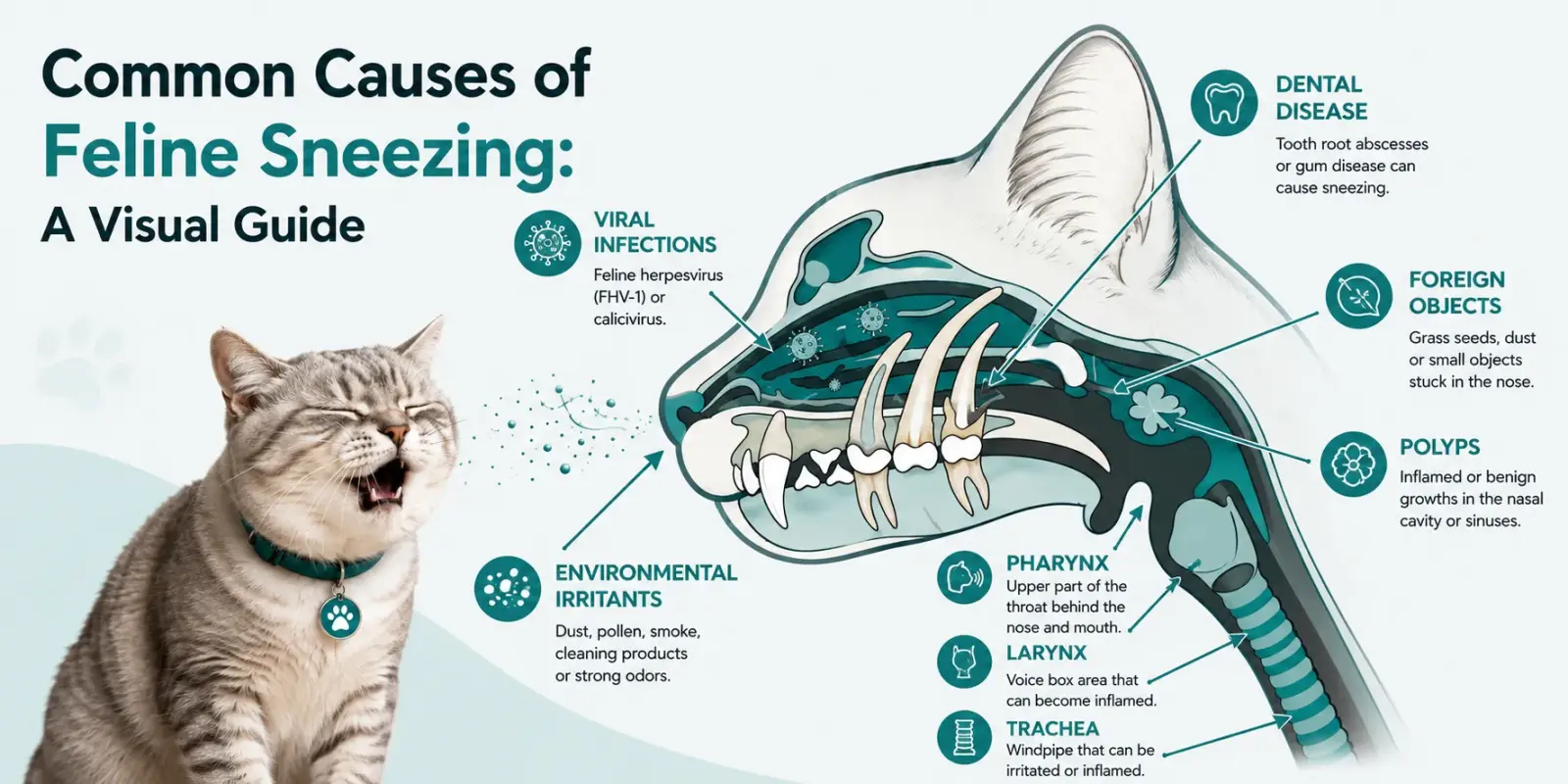
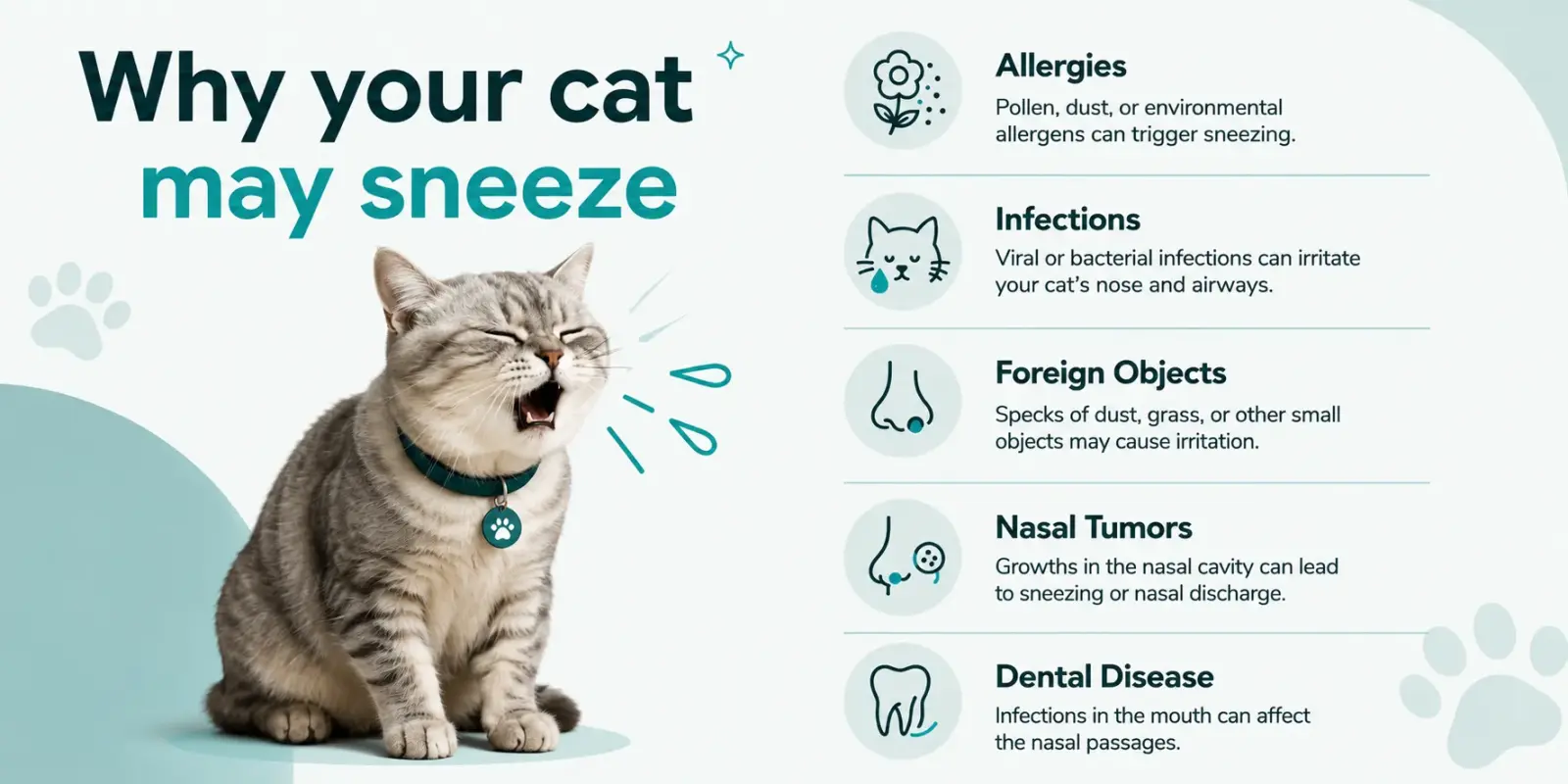
Beyond scented smoke, everyday irritants like dust mites, pollen, cleaning products, perfumes, and air fresheners can all trigger sneezing in sensitive cats. But genuine upper respiratory infections are just as common a cause, particularly feline herpesvirus (FHV-1) and feline calicivirus (FCV) — together responsible for roughly 80 to 90% of feline "cat flu" cases.
Bacterial causes like Chlamydia felis and Bordetella bronchiseptica, along with the airborne fungus Cryptococcus neoformans, round out the list of infectious triggers. These infections typically bring sneezing, nasal discharge, and reduced appetite along for the ride, usually lasting 7 to 21 days, and tend to hit young kittens and older cats hardest.
Foreign Objects, Tumors and Dental Disease
Sometimes the cause is much more physical than infectious. A blade of grass or a speck of litter lodged in the nasal passage can trigger sudden, forceful sneezing as the body tries to expel it — this tends to come on abruptly rather than building gradually.
Nasal tumors are far rarer but can cause chronic sneezing through physical obstruction, sometimes alongside noisy breathing or occasional bleeding. Dental disease is a less obvious culprit worth knowing about too — because a cat's tooth roots sit close to the nasal sinuses, a deep infection or abscess can spread upward and irritate the nasal passages, triggering ongoing sneezing that has nothing to do with the nose itself.
Why Does My Cat Keep Sneezing With No Other Symptoms?
Isolated, repeated sneezing without discharge, coughing, or appetite changes is often the earliest stage of irritation or infection, before other symptoms have had time to develop. It doesn't automatically mean something serious, but it's worth tracking rather than dismissing outright.
Watch for how the picture evolves over the following days:
- Clear nasal or eye discharge often points to allergies
- Yellow or green discharge suggests a viral or bacterial infection
- Coughing, wheezing, or breathing changes suggest the respiratory tract is more involved
- Lethargy, fever, or reduced appetite suggest the body is actively fighting something
If sneezing stays truly isolated for more than a few days with nothing else developing, a vet visit is still a reasonable next step, especially to rule out early infection or a foreign object.
When Should I Worry, and How Often Is Too Often?
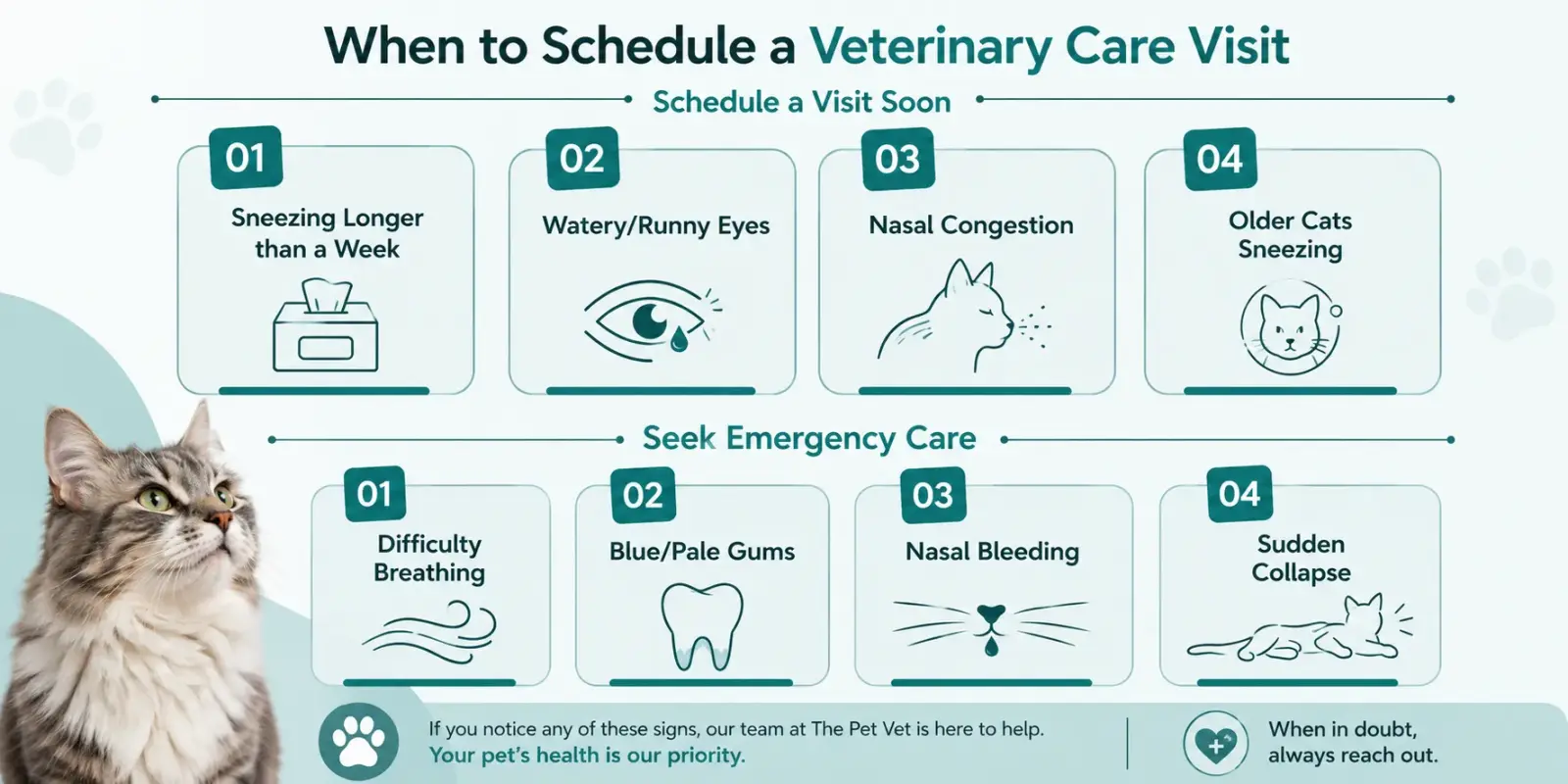
A single sneeze or an occasional one here and there generally isn't cause for concern. What warrants a vet visit is sneezing that happens multiple times a day, persists beyond two or three days, or comes with nasal discharge, coughing, lethargy, fever, or reduced appetite.
There's no strict universal number that defines "too often," since context matters — a cat sneezing three times during a dusty afternoon is different from one sneezing every hour regardless of environment. The general rule is: frequency that's new, escalating, or paired with any other symptom is worth having checked rather than waiting to see if it resolves.
Can an Indoor Cat Get a Cold?
Yes, indoor cats are absolutely not immune to upper respiratory infections. Many of the viruses responsible, particularly feline herpesvirus, can lie dormant in a cat's system after initial exposure and flare up again during periods of stress, even without any new outdoor exposure.
Indoor cats can also pick up infections from a new cat joining the household, from owners carrying particles in on clothing, or simply from a previously dormant virus resurfacing. Combine that with indoor irritants like AC-circulated dust, cleaning products, and burned scents, and it's clear that staying indoors reduces risk without eliminating it entirely.
How Vets Diagnose the Cause of Sneezing
Diagnosis starts with a physical exam of the nose, throat, and eyes, followed by targeted testing depending on what's suspected. Bloodwork checks overall health and immune response, while a PCR test on eye or nasal samples can pinpoint the specific pathogen involved when infection is suspected.
For more persistent or unclear cases, a CT scan provides detailed cross-sectional images of the sinuses to reveal tumors, foreign bodies, or chronic inflammation, while a rhinoscopy uses a small camera to directly examine the nasal passages and collect biopsy samples if needed — particularly important for ruling out nasal cancer in older cats with chronic symptoms.
How to Treat Cat Sneezing
Treatment depends entirely on the underlying cause, so there's no single medication that fits every sneezing cat. Antibiotics, antivirals, or antifungals address specific infections, while antihistamines or corticosteroids can ease allergy-driven inflammation and open up irritated airways.
A sterile saline nasal flush can clear debris and loosen secretions, and rhinoscopy can double as a treatment tool to physically remove foreign objects. Tumors typically require surgical removal to restore normal airflow, and dental-related sneezing usually resolves once the underlying infection is addressed through cleaning, scaling, or extraction. Supportive care, including IV fluids and nutritional support, helps more seriously affected cats recover.
Preventive Tips for Dubai Cat Owners
Keeping vaccinations current is genuinely the single most effective preventive step, since regular FHV-1 and FCV boosters directly target the two viruses behind most cat flu cases. Beyond that, a few household habits go a long way:
- Clean AC filters every 2–4 weeks and have units professionally serviced every 3–6 months
- Vacuum carpets and wash bedding regularly to reduce dust mites
- Switch to a low-dust, unscented litter and use an air purifier where possible
- Limit or avoid burning bakhoor, incense, and scented candles around cats, or ventilate the room well if you do
Regular grooming also helps, since fur — especially in long-haired breeds — collects allergens that cats can later inhale. Brushing teeth two to three times weekly rounds out a solid prevention routine, addressing the dental angle most owners never think to connect to sneezing.
A Quick Word From Our Team
If your cat's sneezing seems to be sticking around, getting worse, or showing up alongside discharge, lethargy, or appetite changes, it's worth having them checked. The team at The Pet Vet Veterinary Clinic in Nad Al Hamar can pinpoint what's actually going on and get your cat back to breathing easily. Don't hesitate to reach out — a quick exam often brings real peace of mind.
Frequently asked questions
How long does a sneezing episode usually last?
Simple irritation may pass within minutes, while sneezing caused by an upper respiratory infection typically lasts 7 to 10 days with treatment, and up to 21 days in more severe cases. Anything lasting noticeably longer is worth a follow-up visit.
Is sneezing more serious in kittens than adult cats?
Yes. Kittens have underdeveloped immune systems and much smaller nasal passages, so even a small amount of mucus or swelling can affect their breathing more significantly. Persistent sneezing in a kitten deserves prompt veterinary attention.
What litter should I use if my cat is prone to sneezing?
Dust-free, unscented options work best — paper-, wood-, or tofu-based litters are all good choices. Silica gel litter is another solid option, since it's often recommended specifically for cats with asthma or sensitive airways.
Are home remedies like steam therapy actually safe to try?
Steam therapy and humidifiers can help loosen congestion and add moisture to dry, AC-conditioned air, and both are generally safe as supportive measures. They're not a substitute for veterinary care if sneezing is persistent, severe, or paired with other symptoms.
Should I separate a sneezing cat from other cats in the house?
It depends on the cause. If a viral or bacterial infection is suspected, temporary separation and separate food and litter areas can help limit spread while you wait for a diagnosis. If the cause turns out to be non-infectious, like allergies, separation usually isn't necessary.
Written by
The Pet Vet Team
Subscribe to Our Newsletter
Sign up for weekly pet health tips and insights from our veterinarians.