
Cat Hairballs in Cats
 The Pet Vet Team
Wondering if your cat's hairballs are normal? Discover the causes, symptoms, treatment options, prevention tips, and when to visit a veterinarian. Expert advice from The Pet Vet Veterinary Clinic in Nad Al Hamar, Dubai, helping cat owners across the UAE keep their cats healthy.
Cat Hairballs: Everything Cat Owners in Dubai Need to Know
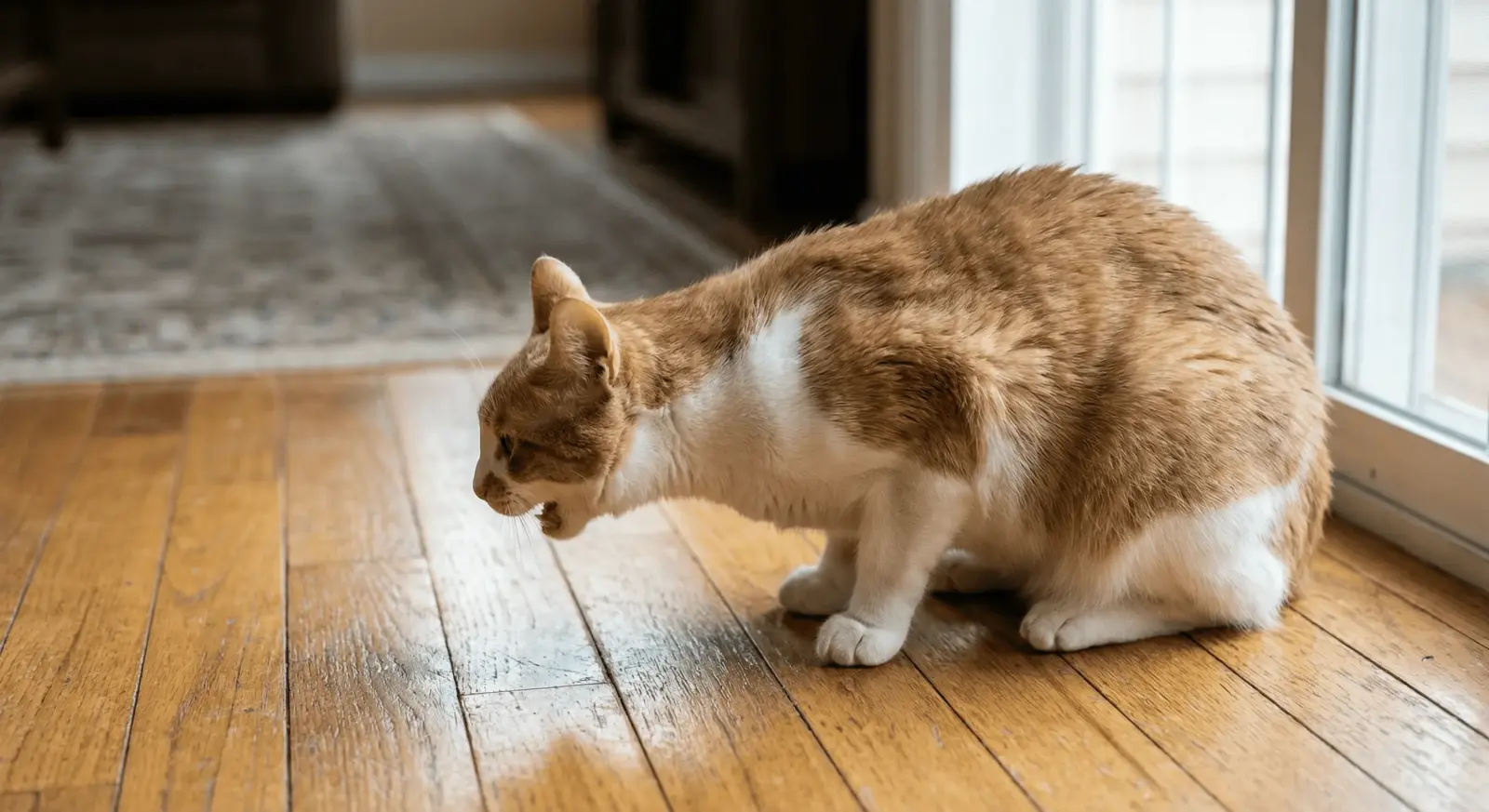
If you live with a cat, you've probably been woken up at least once by that unmistakable sound in the middle of the night. Your cat crouches down, stretches their neck, makes a series of gagging noises, and then leaves behind what looks like a slimy tube of fur on your floor.
While cleaning up a hairball is never pleasant, many cat owners simply accept it as part of owning a cat.
The truth is that occasional hairballs are normal. Cats spend a large part of their day grooming themselves, and swallowing some hair is unavoidable. However, frequent hairballs, repeated vomiting, or difficulty passing hair can sometimes indicate that something more serious is happening.
At The Pet Vet Veterinary Clinic in Nad Al Hamar, Dubai, we regularly help cat owners whose pets struggle with recurring hairballs. Sometimes the solution is as simple as improving grooming and nutrition, while in other cases we uncover allergies, digestive disease, skin conditions, or intestinal problems that need veterinary treatment.
Understanding why hairballs happen is the first step towards preventing them and keeping your cat comfortable.
What Are Hairballs and Why Do Cats Get Them?
Hairballs, medically known as trichobezoars, are collections of swallowed fur that accumulate inside a cat's stomach.
Cats are incredibly clean animals. During grooming, their rough tongues act like tiny combs, removing loose hair, dirt, and debris from the coat. The tiny backward-facing hooks on the tongue naturally pull loose hairs into the mouth, where they are swallowed.
In most cats, these hairs simply travel through the digestive system and are passed in the stool without any problems.
Occasionally, however, the hair collects inside the stomach instead of moving through the intestines. As more fur accumulates, it forms a compact mass that the cat eventually vomits back up as a hairball.
Despite the name, hairballs are rarely round. They are usually long, wet, and tube-shaped because they have passed through the oesophagus during vomiting.
Occasional hairballs are considered normal, but they should never become a regular part of your cat's routine.
Which Cats Are More Likely to Develop Hairballs?
Not every cat experiences hairballs in the same way. Some may only produce one or two a year, while others seem to struggle every few weeks.
Several factors increase the risk:
- Long-haired breeds such as Persians, Maine Coons, Ragdolls and Himalayans naturally swallow more fur while grooming.
- Senior cats often experience slower digestive movement, making it easier for hair to accumulate.
- Cats that shed heavily during seasonal coat changes may swallow much larger amounts of hair.
- Overweight cats may groom less efficiently, causing loose hair to build up before eventually being swallowed.
- Cats living in warm climates like the UAE often shed throughout the year due to spending time in air-conditioned environments.
Indoor cats may also groom themselves more frequently simply because they have more time available, increasing the amount of hair they ingest.
Excessive Grooming Can Be a Sign of Another Problem
Many owners assume frequent hairballs simply mean their cat is grooming well.
In reality, excessive grooming often has an underlying cause.
A cat that constantly licks themselves may actually be trying to relieve discomfort caused by skin allergies, fleas, mites, fungal infections, pain, anxiety, boredom or stress.
Even changes within the home can trigger increased grooming. A new pet, moving house, construction noise, changes in routine or separation anxiety may all contribute.
The more a cat grooms, the more hair they swallow.
Rather than simply treating the hairballs themselves, it's important to identify why your cat is grooming excessively in the first place.
Signs Your Cat's Hairballs May Need Veterinary Attention
Most cats show similar signs before bringing up a hairball. They may crouch close to the floor, stretch their neck forward and repeatedly retch before producing the hairball.
Once it's over, many cats immediately return to eating, playing or sleeping as though nothing happened.
However, not every episode of gagging means a hairball is present.
If your cat repeatedly coughs or retches without producing a hairball, or if the symptoms become more frequent, it is worth having them examined.
Watch for signs such as:
- Hairballs occurring every week or several times a month
- Repeated vomiting without producing any fur
- Reduced appetite
- Weight loss
- Constipation or difficulty passing stools
- Lethargy
- Blood in the vomit
- A swollen or painful abdomen
These symptoms may indicate digestive disease, intestinal obstruction or another medical condition requiring prompt veterinary care.
Can Hairballs Become Dangerous?
Although most hairballs pass without causing lasting problems, they should never be dismissed if your cat appears unwell.
Occasionally, a hairball does not remain in the stomach long enough to be vomited. Instead, it travels into the intestines where it may become lodged.
This creates an intestinal blockage.
An obstruction prevents food, fluids and gas from moving normally through the digestive tract. Without treatment, it can damage the intestine and become life-threatening.
Cats with intestinal blockages often stop eating completely, become depressed, vomit repeatedly and may hide away from family members.
If your cat continues trying to vomit without bringing anything up, refuses food, seems painful or becomes unusually quiet, they should be examined by a veterinarian immediately.
How We Diagnose Hairball Problems at The Pet Vet
Not every cat that vomits a hairball requires extensive testing.
However, if the symptoms become frequent, severe or are accompanied by other health concerns, finding the underlying cause becomes important.
At The Pet Vet Veterinary Clinic in Nad Al Hamar, our examination starts with a complete physical assessment. We evaluate your cat's hydration, body condition, abdomen, coat quality and overall health.
Depending on what we find, further investigations may include blood testing to assess hydration, infection and organ function, as well as advanced imaging such as digital X-rays or ultrasound.
These diagnostic tools allow us to determine whether the problem is a simple hairball, an intestinal blockage, inflammatory bowel disease, constipation, foreign body ingestion or another digestive disorder.
In selected cases, endoscopy may also be recommended to directly examine the stomach and upper digestive tract using a specialised camera.
By identifying the real cause, we can provide treatment that offers long-term improvement rather than temporary relief.
Treatment for Hairballs in Cats
Treatment depends entirely on what is causing the problem.
For occasional hairballs, your veterinarian may recommend lubricating gels or hairball remedies that help swallowed fur move naturally through the digestive tract.
Many cats also benefit from specialised hairball diets that contain carefully balanced fibre to improve intestinal movement.
If dehydration is contributing, increasing water intake can make a noticeable difference. Feeding wet food alongside dry food often helps improve hydration.
When underlying medical conditions such as allergies, parasites, inflammatory bowel disease or skin disease are responsible, treating those problems usually reduces hairball formation dramatically.
Cats with intestinal blockages may require hospitalisation, fluid therapy or, in severe cases, surgery to safely remove the obstruction.
Fortunately, most cats respond very well once the underlying cause has been identified.
How to Reduce Hairballs at Home
Preventing hairballs is usually much easier than treating them.
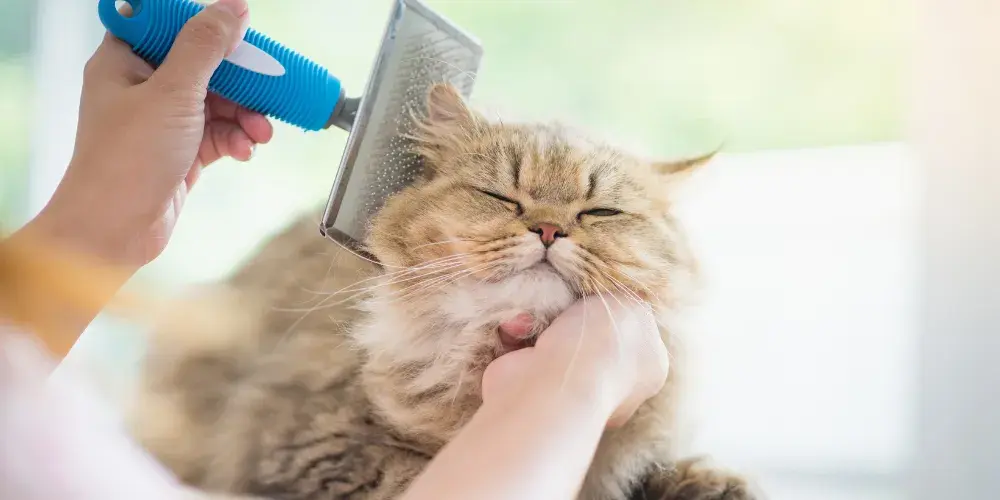
Regular brushing is one of the simplest and most effective ways to reduce the amount of loose fur your cat swallows. Long-haired cats often benefit from daily grooming, while most short-haired cats do well with brushing several times each week.
Providing plenty of fresh water also supports healthy digestion. Many cats drink more readily from water fountains, making them an excellent option for encouraging hydration.
Good nutrition plays an equally important role. High-quality diets formulated for digestive health or hairball control may help hair pass naturally through the gastrointestinal tract.
Finally, don't overlook your cat's mental wellbeing. Interactive toys, climbing trees, scratching posts and regular play sessions help reduce boredom and stress, both of which can contribute to excessive grooming.
A healthy skin and coat, combined with good digestion and regular grooming, is the best defence against recurring hairballs.
When Should You Visit The Pet Vet?
Many owners wait until hairballs become a regular occurrence before seeking advice.
The earlier we investigate recurring hairballs, the easier it is to identify and manage the underlying cause.
You should arrange a veterinary examination if your cat:
- Produces hairballs every week or multiple times each month.
- Vomits repeatedly without producing a hairball.
- Stops eating or drinks less than usual.
- Appears lethargic or hides more than normal.
- Has constipation or difficulty passing stools.
- Loses weight unexpectedly.
- Has blood in their vomit.
- Shows signs of abdominal pain or repeated unsuccessful retching.
At The Pet Vet Veterinary Clinic in Nad Al Hamar, Dubai, our experienced veterinary team provides comprehensive feline health care, including digital X-rays, ultrasound, laboratory testing and advanced diagnostics to determine whether your cat's hairballs are simply a normal part of grooming or a sign of an underlying medical condition.
Our goal is always to keep your cat comfortable, healthy and happy while giving you confidence that you're doing everything possible to support their wellbeing.
Frequently asked questions
Are hairballs normal in cats?
Yes. Occasional hairballs are considered normal because cats naturally swallow loose hair while grooming. However, frequent hairballs or hairballs accompanied by vomiting, appetite loss or lethargy should be assessed by a veterinarian.
How often should my cat have a hairball?
Most healthy cats only produce a hairball occasionally. If your cat is bringing up hairballs more than once or twice a month, it's worth arranging a veterinary examination to rule out an underlying problem.
Can hairballs cause an intestinal blockage?
Yes. Although uncommon, hairballs can become lodged in the digestive tract and create an intestinal obstruction. This is a medical emergency and requires immediate veterinary treatment.
How can I prevent hairballs in my cat?
Regular brushing, a balanced diet, good hydration, stress reduction and veterinary-recommended hairball diets or supplements can significantly reduce the risk of recurring hairballs.
When should I take my cat to the vet for hairballs?
If your cat has frequent hairballs, repeated vomiting, loss of appetite, constipation, weight loss, lethargy, abdominal pain or produces blood while vomiting, you should seek veterinary care as soon as possible.
Written by
The Pet Vet Team
Subscribe to Our Newsletter
Sign up for weekly pet health tips and insights from our veterinarians.