
UTI in Dogs
 The Pet Vet Team
Discover the symptoms, causes, diagnosis, treatment and prevention of urinary tract infections (UTIs) in dogs. Expert veterinary care at The Pet Vet in Nad Al Hamar, Dubai.
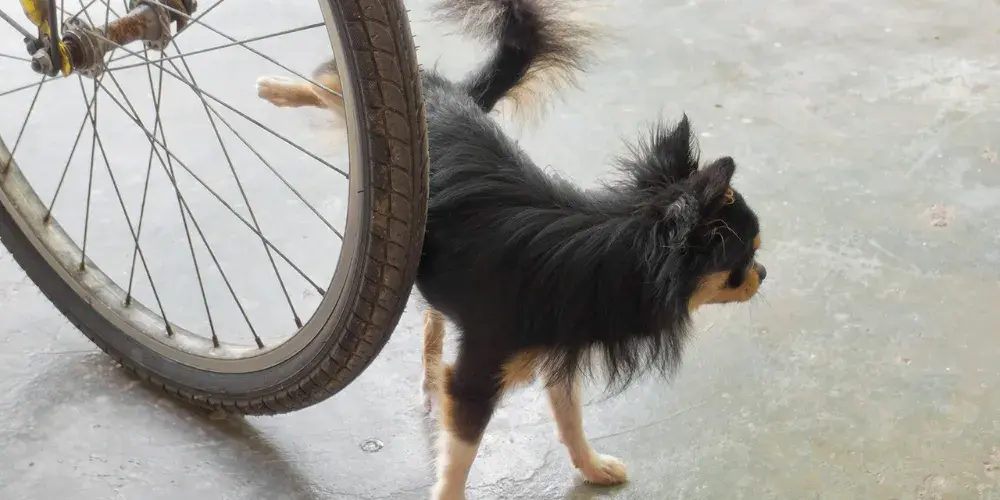
UTI in Dogs: What Every Dog Owner Should Know
If your dog suddenly wants to go outside every hour, starts having accidents inside the house despite being fully house-trained, or seems uncomfortable while urinating, don't assume it's simply a behavioural issue. These changes are often your dog's way of telling you that something is wrong.
One of the most common reasons behind these symptoms is a urinary tract infection, commonly known as a UTI. At The Pet Vet in Nad Al Hamar, Dubai, we regularly see dogs with urinary problems, and many owners are surprised to learn how uncomfortable these infections can be. Fortunately, when diagnosed early, most UTIs respond very well to treatment.
Ignoring the problem, however, can allow the infection to spread deeper into the urinary system, leading to kidney infections, bladder stones or chronic urinary issues. Knowing what to look for can make all the difference in protecting your dog's health.
In this guide, we'll explain everything pet owners in Dubai need to know about UTIs in dogs, including the signs, causes, diagnosis, treatment, prevention and when it's time to visit your veterinarian.
What Is a Urinary Tract Infection in Dogs?
A urinary tract infection happens when bacteria enter the urinary system and multiply faster than the body's natural defences can remove them. In most dogs, the infection affects the bladder, although it can also involve the urethra and, in more severe cases, spread to the kidneys.
The urinary system has an important job. It filters waste products from the blood, produces urine and helps remove toxins from the body. Healthy urine is normally sterile, meaning it does not contain bacteria. Problems begin when bacteria from outside the body enter the urinary tract and start multiplying.
The most common bacteria responsible is Escherichia coli (E. coli), which normally lives in the digestive tract. When it reaches the urinary tract, it can cause inflammation, irritation and infection.
Although bacterial infections account for most cases, fungal infections may occasionally occur, particularly in dogs with weakened immune systems or chronic illnesses.
One challenge with UTIs is that they often begin subtly. Your dog may simply urinate a little more frequently or seem slightly uncomfortable. Because the symptoms can develop gradually, many owners don't realise how much discomfort their pet is experiencing until the infection becomes more advanced.
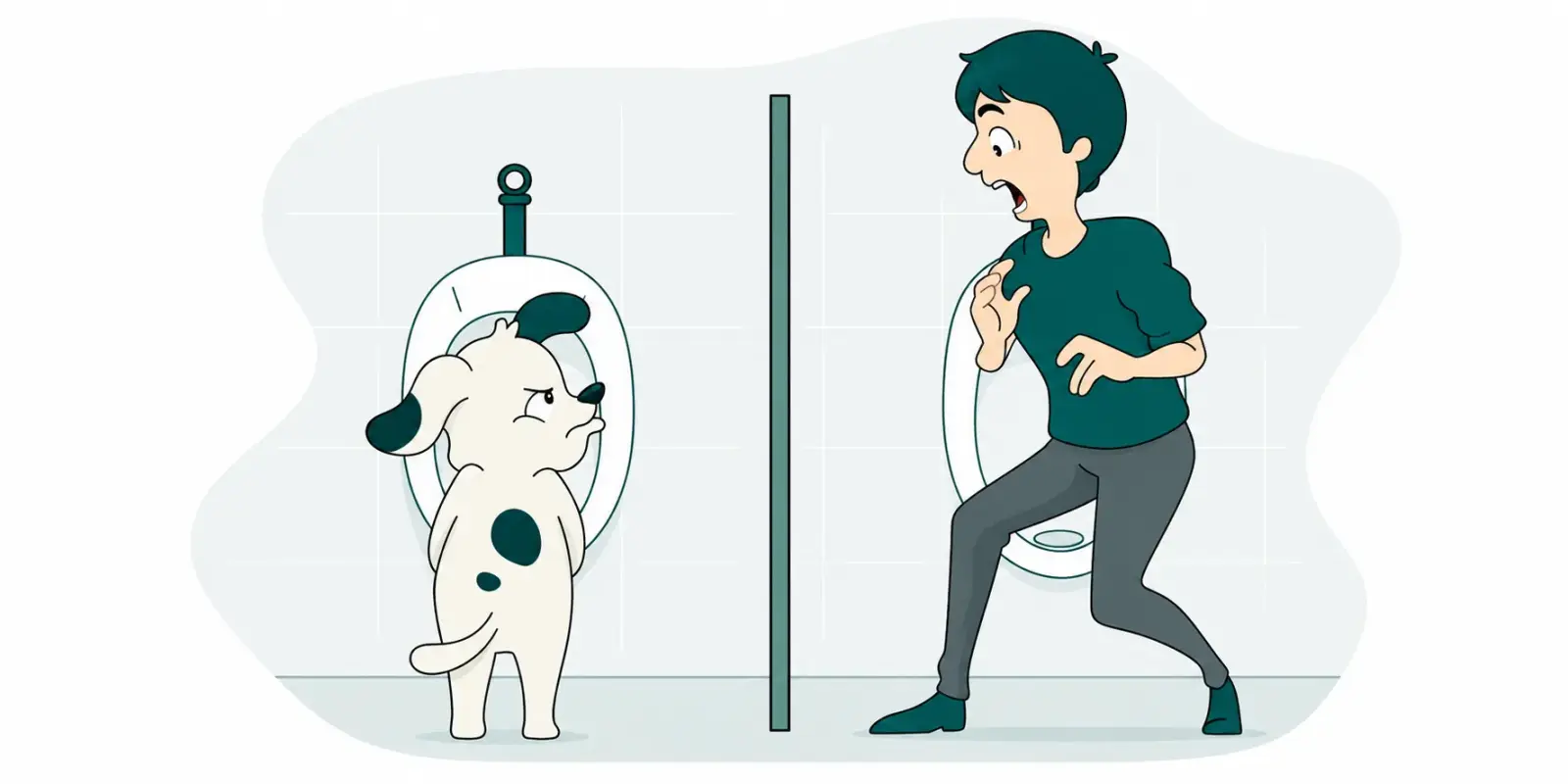
Signs and Symptoms of a UTI in Dogs
Dogs cannot tell us when something hurts, so changes in their behaviour are often the first clues.
Many owners notice that their dog suddenly asks to go outside much more frequently than usual. Others report that their dog squats repeatedly but produces only a few drops of urine. Some dogs begin having accidents indoors after years of perfect toilet habits.
Common symptoms include:
- Frequent urination or repeated attempts to urinate
- Straining or difficulty passing urine
- Small amounts of urine despite frequent attempts
- Blood in the urine
- Cloudy or unusually strong-smelling urine
- Excessive licking around the genital area
- Crying or showing discomfort while urinating
- Lethargy or reduced energy
- Loss of appetite
- Urinary accidents inside the home
Some dogs become quieter than normal, while others appear restless because they constantly feel the urge to urinate.
If you notice blood in your dog's urine, even if they seem otherwise well, it should always be considered a reason to arrange a veterinary examination as soon as possible. Blood may be caused by a urinary tract infection, but it can also indicate bladder stones, urinary crystals, trauma or, less commonly, tumours affecting the urinary tract.
Why Do Dogs Develop Urinary Tract Infections?
The urinary tract has several natural ways of protecting itself. Every time a dog urinates, bacteria that have entered the urethra are flushed back out before they can establish an infection.
Problems develop when bacteria manage to stay inside the bladder long enough to multiply.
Most infections begin when bacteria from the skin or digestive tract travel through the urethra into the bladder. Once inside, they attach to the bladder wall and begin causing inflammation.
Some dogs are naturally more prone to infections than others. Female dogs develop UTIs more frequently because they have a shorter and wider urethra, allowing bacteria easier access to the bladder.
Holding urine for long periods can also increase the risk because bacteria have more time to multiply instead of being flushed away.
However, in many dogs, a urinary tract infection is actually a symptom of another underlying problem rather than the primary disease itself.
Risk Factors That Increase the Chances of UTIs
Some dogs experience a single urinary tract infection during their lifetime, while others develop repeated infections. Recurrent UTIs often indicate an underlying medical condition that requires investigation.
Bladder stones are one of the most common contributing factors. Stones irritate the bladder lining, making it easier for bacteria to establish an infection. They may also prevent the bladder from emptying completely, leaving urine behind where bacteria continue multiplying.
Dogs with diabetes are also more susceptible because increased sugar levels in the urine create an ideal environment for bacterial growth.
Hormonal diseases such as Cushing's disease, chronic kidney disease and immune system disorders may reduce the body's ability to fight infections effectively.
Certain anatomical abnormalities, including ectopic ureters or abnormalities affecting urine flow, can also lead to repeated infections.
Long-haired breeds, overweight dogs and pets with skin folds around the genital area may require extra attention to hygiene, as moisture and debris can encourage bacterial contamination.
When a dog develops frequent UTIs, identifying and treating the underlying cause is just as important as treating the infection itself.
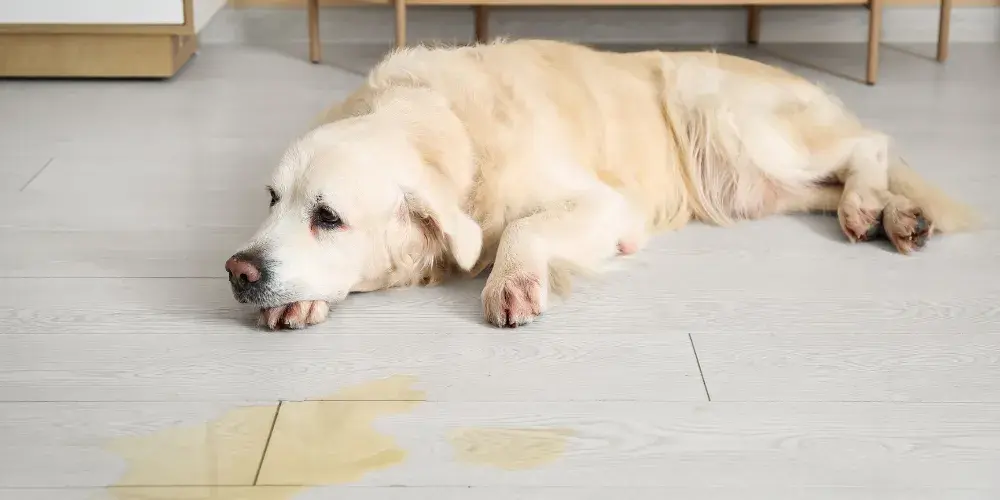
Why Early Diagnosis Matters
Some owners hope a urinary infection will resolve on its own, but this is rarely the case.
Without appropriate treatment, bacteria can continue multiplying and spread beyond the bladder. Once the kidneys become involved, the infection becomes far more serious and more difficult to treat.
Untreated UTIs may also contribute to bladder stone formation, chronic bladder inflammation and, in rare cases, life-threatening bloodstream infections.
Prompt treatment not only relieves your dog's discomfort but also reduces the risk of long-term complications.
If your dog is repeatedly straining to urinate but produces little or no urine, this should be treated as an emergency. Urinary obstruction can quickly become life-threatening, particularly in male dogs.
How We Diagnose UTIs at The Pet Vet
Accurate diagnosis starts with obtaining a high-quality urine sample.
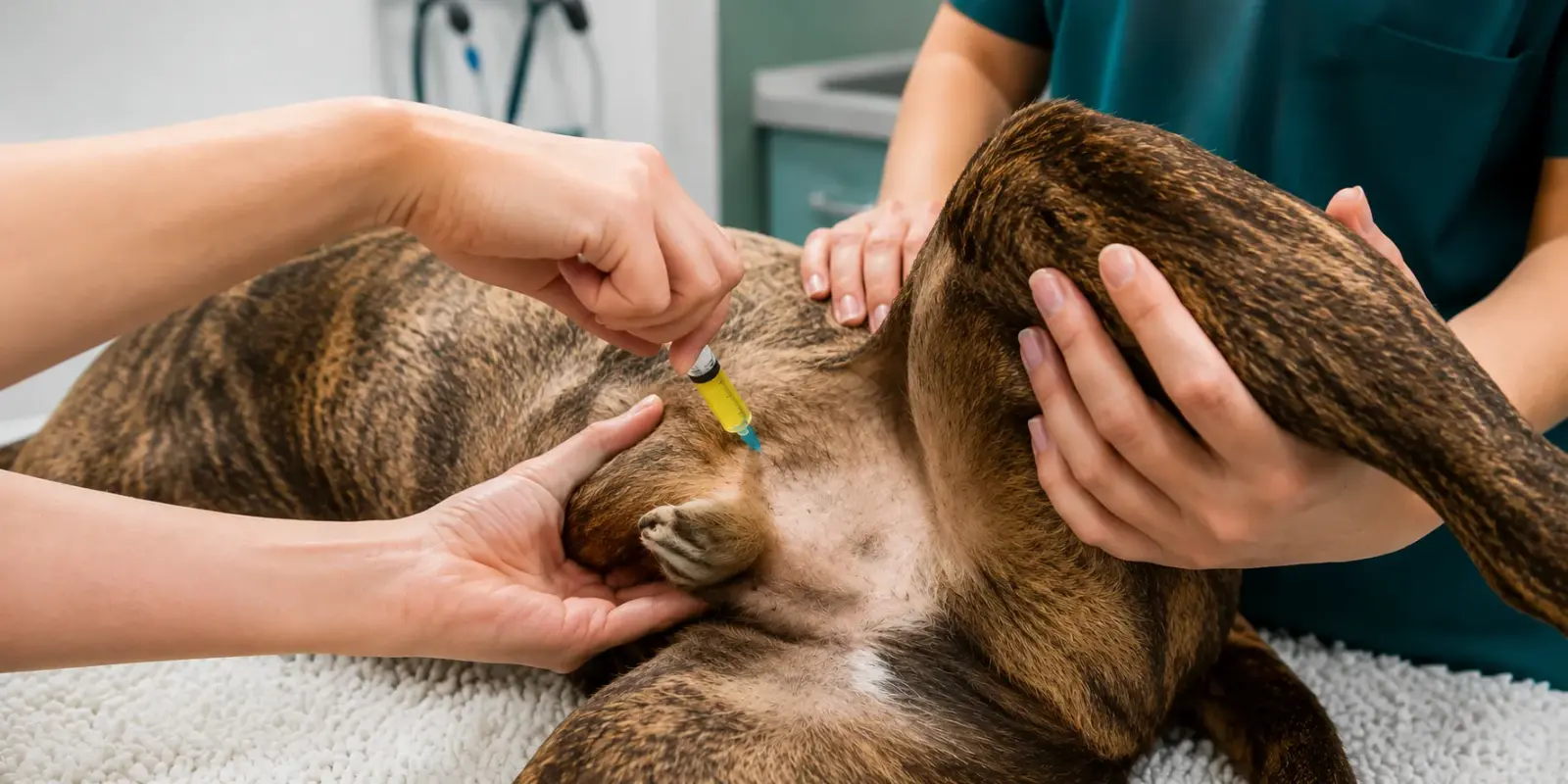
At The Pet Vet in Nad Al Hamar, we often recommend collecting urine using a technique called cystocentesis. This involves gently collecting urine directly from the bladder using a fine needle under sterile conditions. It minimises contamination and provides the most accurate sample for laboratory testing.
The urine is then examined for bacteria, white blood cells, red blood cells, protein, crystals, urine concentration and other important indicators.
One of the most valuable tests is a urine culture and sensitivity test. Rather than simply confirming that bacteria are present, this test identifies the exact bacteria responsible and determines which antibiotics are most effective.
Depending on your dog's symptoms, additional investigations may include blood tests, digital X-rays or abdominal ultrasound to evaluate the kidneys, bladder and urinary tract for stones, structural abnormalities or masses.
Our goal is not simply to treat the current infection but to understand why it developed in the first place.
Treatment for Urinary Tract Infections in Dogs
Treatment is tailored to each individual dog based on the severity of the infection and whether an underlying problem is identified.
For uncomplicated bacterial infections, antibiotics remain the cornerstone of treatment. The choice of medication depends on laboratory findings and, whenever possible, urine culture results.
Many dogs begin feeling better within a few days, but it is extremely important to complete the full course of antibiotics, even if symptoms disappear early. Stopping treatment too soon may allow bacteria to survive and return, sometimes with increased antibiotic resistance.
Dogs experiencing discomfort may also receive pain relief or anti-inflammatory medication to help reduce bladder inflammation and improve comfort while urinating.
Hydration is another important part of recovery. Encouraging your dog to drink more water helps dilute the urine and naturally flush bacteria from the bladder.
For dogs with recurrent infections, repeat urine testing after treatment is often recommended to confirm the infection has completely resolved.
Can UTIs Be Prevented?
Although not every urinary tract infection can be prevented, many cases can be significantly reduced with good daily care.
Providing constant access to fresh drinking water encourages regular urination, helping flush bacteria before they have an opportunity to multiply.
Allowing frequent toilet breaks is equally important. Dogs should never be expected to hold their urine for long periods, particularly during hot Dubai summers when dehydration can occur more easily.
Maintaining good hygiene around the genital area is especially helpful for long-haired breeds or dogs with skin folds. Regular grooming helps reduce bacterial contamination.
Nutrition also plays an important role in urinary health. Some dogs benefit from specially formulated veterinary urinary diets that support bladder health and reduce the formation of crystals or stones.
Routine veterinary health checks become increasingly important as dogs age because many medical conditions associated with recurrent UTIs can be detected early before they cause significant problems.
Preventing infections is always easier than treating repeated episodes
When Should You Visit a Veterinarian?
It is always better to have urinary symptoms checked sooner rather than later.
If your dog is urinating more frequently, straining, passing blood in the urine, licking excessively around the genital area, having accidents indoors or simply behaving differently, it's time to arrange a veterinary examination.
These symptoms are not always caused by a urinary tract infection. Similar signs may also occur with bladder stones, urinary crystals, prostate disease, kidney disease or urinary obstruction. Proper diagnosis ensures your dog receives the right treatment from the very beginning.
At The Pet Vet in Nad Al Hamar, Dubai, we use advanced diagnostics, including urine analysis, urine culture, digital imaging and ultrasound, to identify the cause of urinary problems and create personalised treatment plans for every patient.
The sooner a UTI is diagnosed, the faster your dog can return to feeling comfortable, active and healthy again.
Frequently asked questions
Can a dog recover from a UTI without antibiotics?
In most cases, no. Bacterial urinary tract infections usually require prescription antibiotics to eliminate the infection completely. Delaying treatment increases the risk of complications.
Are female dogs more likely to develop UTIs?
Yes. Female dogs have a shorter urethra, making it easier for bacteria to enter the bladder. However, male dogs can also develop urinary tract infections, particularly if they have underlying medical conditions.
How long does it take for a dog to recover from a urinary tract infection?
Many uncomplicated infections improve within a few days after starting antibiotics, but treatment typically continues for 7 to 14 days. More complex infections may require several weeks of therapy.
Can urinary tract infections come back?
Yes. Dogs with bladder stones, diabetes, hormonal diseases or anatomical abnormalities may develop recurrent UTIs. Identifying the underlying cause is essential to preventing future infections.
When is a UTI considered an emergency?
If your dog cannot pass urine, strains continuously without producing urine, has severe pain, becomes weak, vomits or has a swollen abdomen, seek emergency veterinary care immediately. Urinary obstruction can become life-threatening within a short period.
Written by
The Pet Vet Team
Subscribe to Our Newsletter
Sign up for weekly pet health tips and insights from our veterinarians.