
Can Dogs Eat Grapes? Why This Common Fruit Is Dangerous
 The Pet Vet Team
Grapes might seem like a harmless, healthy snack, but they're one of the most dangerous foods a dog can eat — and unlike chocolate, there's no "safe amount" based on size or breed. This guide from The Pet Vet in Nad Al Hamar explains why grapes are so unpredictable, what symptoms to watch for, and what to do the moment you realize your dog has eaten one.
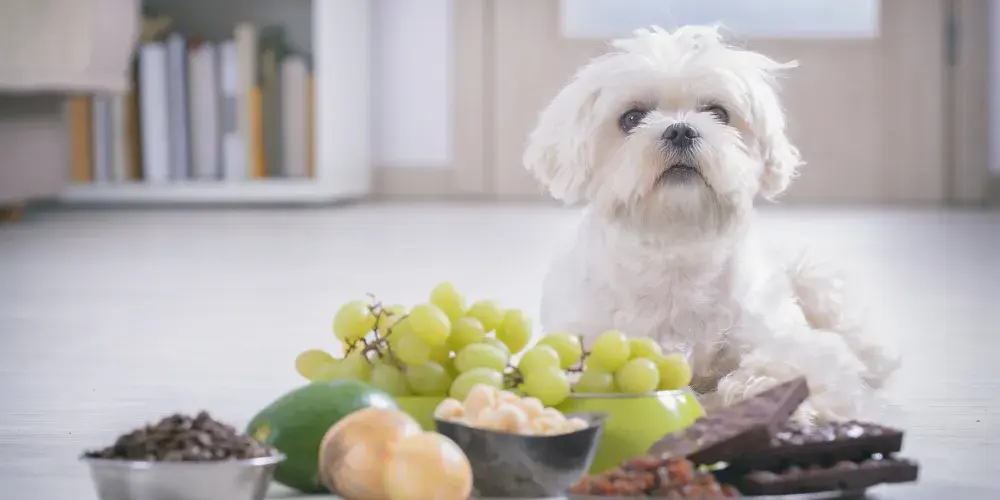
Can Dogs Eat Grapes?
No — and this is one of the more clear-cut answers in veterinary medicine. Grapes are toxic to dogs regardless of breed, size, or age, setting them apart from foods like chocolate or onions, where risk scales fairly predictably with how much a dog weighs and how much they ate.
With grapes, that predictability disappears. A small amount can cause serious harm in one dog while barely affecting another of similar size, with no reliable way to know in advance which dog will react severely. This is exactly why vets treat every grape ingestion as a genuine concern, not just the large ones.
Why Are Grapes Toxic to Dogs?
Here's the honestly frustrating part: nobody knows for certain. Unlike chocolate, where the toxic compounds are well understood, the exact substance in grapes responsible for canine toxicity remains unidentified despite ongoing research. What's well established, though, is the outcome — grapes can trigger acute kidney failure in dogs, where the kidneys suddenly stop filtering toxins from the blood.
Once that happens, waste products build up in the bloodstream rapidly, leading to serious illness and, in severe cases, death. The inconsistency in how dogs react — some tolerating a few grapes fine, others reacting severely to just one or two — is part of what makes this fruit so unpredictable and, frankly, not worth the risk under any circumstances.

Is There a Safe Amount of Grapes for Dogs?
No, and this is really the core message of this whole topic. Because toxicity doesn't scale predictably with size or amount the way it does with many other toxic foods, there's no dose that can be confidently called safe — even one grape has been enough to cause serious harm in some dogs.
This applies across forms too — fresh grapes, raisins, grapes cooked into dishes, or blended into smoothies all carry the same risk. Raisin bread, trail mix, and certain baked goods deserve equal caution, since the concentrated, dried form (raisins) is, if anything, more potent per gram.
What Happens When a Dog Eats Grapes? Early Symptoms
Symptoms don't always show up right away, which is part of what makes grape ingestion so deceptive. Signs can develop within a few hours or take up to 24 hours to appear, meaning a dog that seems completely fine immediately after eating grapes isn't necessarily in the clear.
Early symptoms often include vomiting, sometimes intense, as the body attempts to expel the toxin, frequently followed by diarrhea that may contain visible pieces of undigested grape. Lethargy or unusual tiredness is another early clue — a normally playful dog suddenly seeming weak, withdrawn, or uninterested in activity is worth taking seriously. Excessive drooling or apparent confusion can also appear during this window.
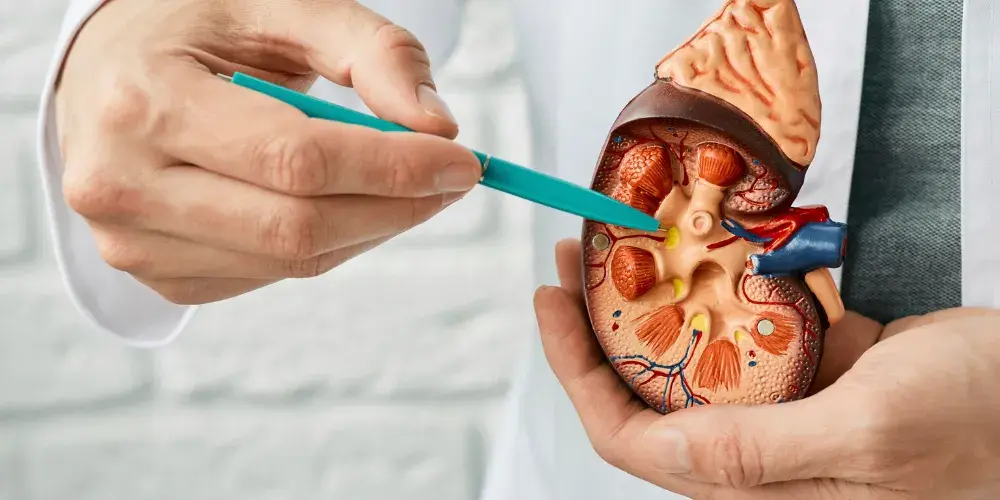
Later Symptoms as Kidney Function Declines
As toxins begin affecting the kidneys more significantly, symptoms shift. Loss of appetite and abdominal pain are common — a dog might whimper or react when their belly is touched. Increased thirst and urination often appear first, then paradoxically flip as kidney function declines: urination may stop altogether, a critical warning sign that failure is actively underway.
In the most severe cases, dogs can become severely weak or collapse, develop seizures or tremors as toxins accumulate in the bloodstream, and in extreme situations, slip into a coma.
How Long Until Grape Toxicity Shows Up in Dogs?
As mentioned, the window is wide — anywhere from a few hours to roughly 24 hours after ingestion. This delay is exactly why "wait and see" isn't an appropriate response to a known or suspected grape ingestion, even if your dog seems perfectly normal in the first hour or two.
Because kidney damage can be actively developing well before any visible symptoms appear, the safest approach is to contact a vet immediately after ingestion rather than waiting for signs to confirm there's a problem. By the time symptoms are obvious, the kidneys may already be under significant strain.

Should I Worry If My Dog Ate Just One Grape?
Yes, genuinely — and this surprises a lot of owners who assume a single grape is trivial. Because there's no way to predict which dogs will have a severe reaction, and because some documented cases involve kidney failure from just one or two grapes, a single grape is treated with the same seriousness as a larger quantity in veterinary practice.
This doesn't mean every dog that eats one grape will get sick — many won't. But since there's currently no way to know in advance who falls into which group, calling your vet after any grape ingestion, however small, is the responsible move rather than an overreaction.
What to Do If Your Dog Eats Grapes
Don't wait for symptoms to appear before acting. If there are more grapes within reach, remove them immediately to prevent further ingestion, and check your dog's mouth for any remaining pieces that haven't been swallowed yet. Clean up any spilled grapes on the floor too, since dogs are often quick to go back for more.
Call your vet right away with details on your dog's size, roughly how many grapes were eaten, and when it happened. Your vet will advise on next steps based on this information — in many cases, bringing your dog in promptly is the recommended course of action rather than monitoring at home first.

Can Dogs Bounce Back From Eating Grapes?
Yes, many dogs recover fully, and the outcome depends heavily on how quickly treatment begins. Dogs treated promptly, before significant kidney damage sets in, generally have a good chance of a full recovery. This is really the central reason speed matters so much with grape ingestion specifically.
Recovery becomes more uncertain the longer treatment is delayed, since kidney damage that's already progressed can be harder to reverse. This is part of why vets don't take a "wait and see" approach with grapes the way they might with some milder toxins — early intervention genuinely changes the odds here.
Can Grape Poisoning Be Treated at Home?
No, and this is worth being direct about. Grape toxicity requires professional veterinary treatment — there's no reliable home remedy that addresses the underlying risk to your dog's kidneys. Attempting to manage it without veterinary involvement risks losing the narrow window where treatment is most effective.
What you can safely do at home is the immediate first step: remove access to more grapes, check for any remaining pieces in your dog's mouth, and call your vet right away. Everything beyond that — inducing vomiting, administering fluids, monitoring kidney function — needs to happen under professional care.
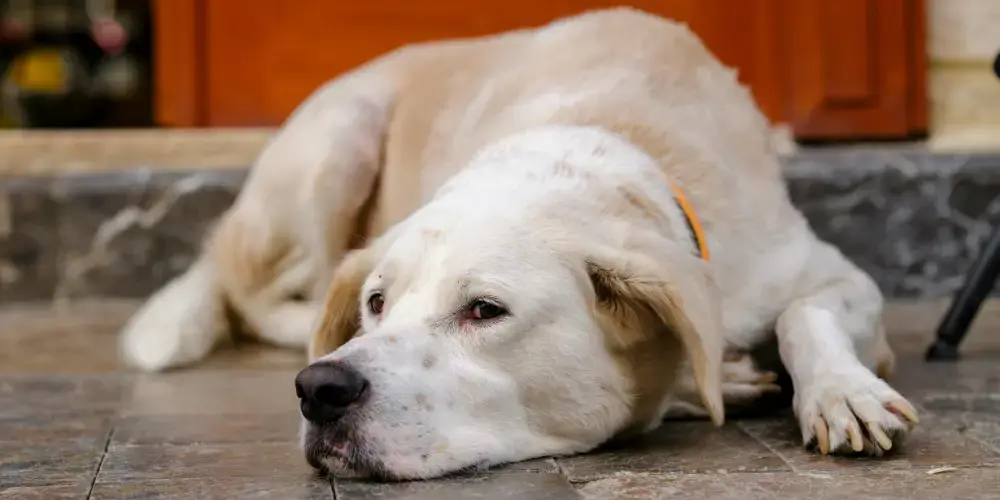
How Vets Treat Grape Poisoning
At the clinic, the priority is removing toxins and protecting kidney function before permanent damage occurs. If your dog hasn't already vomited, vets may induce vomiting, often alongside activated charcoal, to clear remaining grape material from the stomach before further absorption.
IV fluid therapy is one of the most important parts of treatment, flushing toxins from the bloodstream and supporting kidney function during the critical window after ingestion. Blood tests monitor how the kidneys are responding, and medications like anti-nausea drugs or diuretics may be added depending on severity.
Safe Fruit and Vegetable Alternatives
The good news is there's no shortage of dog-safe alternatives with real nutritional value. Blueberries are packed with antioxidants and make great bite-sized training treats, apple slices (seeds removed) offer fiber and vitamin C, and bananas work well in small amounts thanks to their potassium.
For something hydrating, watermelon (seeds and rind removed) and cucumber slices are low-calorie options especially useful during Dubai's hot months. Carrots support dental health while dogs chew, and steamed broccoli or plain cooked sweet potato round out a solid rotation of treats without any of the uncertainty grapes carry.
A Quick Word From Our Team
If your dog has eaten any amount of grapes or raisins, please don't wait to see how they do — contact The Pet Vet Veterinary Clinic in Nad Al Hamar right away with details on your dog's size and how much was eaten. With grape toxicity, acting quickly gives your dog the best possible chance, and our team is ready to guide you through next steps immediately.
Frequently asked questions
Are raisins more dangerous than fresh grapes?
Ounce for ounce, raisins are generally considered more concentrated and potentially more toxic, since drying removes water but not the toxic compound involved. This means a small handful of raisins can carry more risk than an equivalent weight of fresh grapes, so both deserve equal caution.
Do green grapes carry less risk than red or purple grapes?
No, there's no evidence that grape color or variety affects toxicity risk. Since the toxic mechanism itself still isn't fully understood, all grape varieties — along with raisins, currants, and sultanas — are treated with the same level of caution regardless of color.
Will my vet need to keep my dog overnight after grape ingestion?
It depends on the case, but hospitalization for IV fluids and monitoring over 24 to 48 hours is common, since kidney effects can take time to fully show up. Your vet will base this decision on your dog's size, how many grapes were eaten, and how they're responding to initial treatment.
Can grape seed extract or grape seed oil in some pet products be dangerous too?
This isn't well studied, and most commercial pet products are formulated to be safe, but it's a reasonable question to ask a manufacturer or your vet if you're ever unsure about a specific product's ingredients. When in doubt, choosing products without grape-derived ingredients avoids the question entirely.
How can I keep grapes safely out of reach in a busy household?
Store grapes in the refrigerator or a closed container rather than a fruit bowl on the counter, and be mindful during gatherings when snack platters or kids' plates might be left within a dog's reach. A quick habit of checking low tables and countertops before leaving a room goes a long way.
Written by
The Pet Vet Team
Subscribe to Our Newsletter
Sign up for weekly pet health tips and insights from our veterinarians.