
Rat Poison in Dogs: Symptoms, Treatment and What to Do
 The Pet Vet Team
Rat poison is common in Dubai homes, gardens, and buildings, and dogs are often drawn to it by smell and taste — making accidental ingestion one of the more frequent poisoning emergencies vets see.

Can Dogs Be Killed by Rat Poison?
Yes, and this is genuinely one of the more dangerous accidental poisonings dogs encounter. Rat poison is designed to be lethal to small mammals, and while dogs are considerably larger than rats or mice, the toxic mechanisms involved can still cause severe illness or death depending on the amount ingested and which active ingredient is involved.
The good news is that with prompt treatment, dogs typically survive rat poison ingestion. The key phrase there is "prompt" — delays in treatment are what turn a manageable poisoning into a genuine crisis, which is exactly why any known or suspected ingestion should be treated as an emergency regardless of how your dog seems in the moment.
The Four Types of Rat Poison and How They Affect Dogs
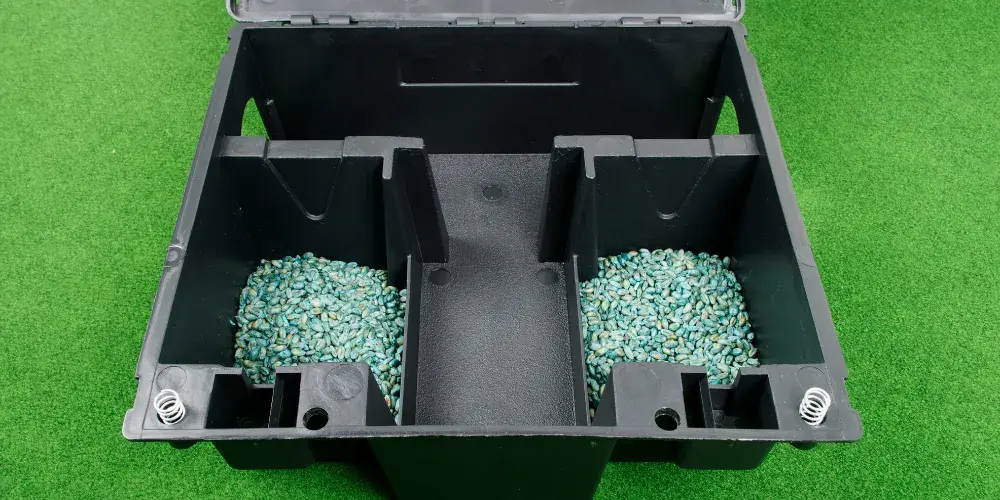
Rat poisons come in various colors and forms — pellets, blocks, pastes, powders — but appearance alone can't tell you which active ingredient is involved, which matters enormously for treatment. There are four main categories worth knowing about.
Anticoagulant rodenticides (including brodifacoum and warfarin) interfere with blood clotting, causing internal bleeding over time. Cholecalciferol (vitamin D3) causes dangerous calcium buildup that hardens soft tissues, particularly affecting the heart and kidneys. Bromethalin causes brain swelling and neurological symptoms. Zinc and aluminum phosphides, less common but occasionally found in rodent baits, produce toxic phosphine gas once they mix with stomach acid. Each requires a different treatment approach, which is why identifying the product matters so much.
How Long Does It Take for Rat Poison to Kick In?
This varies significantly by type, and it's one of the more important things to understand about rat poison specifically. For most anticoagulants, cholecalciferol, and bromethalin, symptoms often don't appear for 1 to 7 days after ingestion — a delay that catches a lot of owners off guard, especially if their dog seems completely fine in the meantime.
Zinc and aluminum phosphides are the exception, acting much faster — symptoms can appear within minutes, and in severe cases, death can occur in as little as five hours. This wide range in timing is exactly why "wait and see" isn't an appropriate response to known ingestion of any type of rat poison; internal damage can be progressing quietly well before any visible signs appear.
First Signs and Symptoms to Watch For
Symptoms vary by the specific poison involved, but there are some patterns worth knowing. Many rodenticides contain bright dyes — red, green, blue, pink, or tan — that can show up in your dog's stool, which is a useful visual clue if you're unsure whether ingestion actually happened.
By category, watch for:
- Anticoagulants: lethargy, pale gums, difficulty breathing, weakness, bloody diarrhea or nosebleeds
- Cholecalciferol: weakness, loss of appetite, vomiting, increased thirst and urination
- Bromethalin: lack of coordination, tremors, seizures, paralysis
- Zinc/aluminum phosphide: vomiting (sometimes bloody), lack of coordination, trouble breathing, abdominal bloating
Any of these symptoms following known or suspected exposure warrants an immediate vet visit rather than a wait-and-see approach.

My Dog Ate Rat Poison a Few Days Ago and Seems Fine — Should I Still Be Worried?
Yes, genuinely. This is one of the more misleading aspects of rat poison toxicity: for most types, the delay between ingestion and visible symptoms can stretch out for up to a week, meaning a dog can look and act completely normal while internal damage is quietly developing.
If you know or strongly suspect your dog ate rat poison, even a few days ago with no symptoms so far, it's still worth contacting your vet. Depending on how much time has passed and what's known about the exposure, your vet can advise on whether monitoring, testing, or treatment makes sense at this stage — this isn't something to assume has resolved just because visible symptoms haven't shown up yet.
What to Do If Your Dog Eats Rat Poison
Contact your vet or the nearest emergency clinic immediately — this isn't a situation for home remedies or a wait-and-see approach, regardless of how your dog currently seems. If possible, bring any remaining bait or its packaging with you, since identifying the specific active ingredient is genuinely critical to guiding treatment correctly.
Don't attempt to induce vomiting or give any home treatment unless a vet specifically instructs you to. If you suspect zinc or aluminum phosphide poisoning specifically, avoid feeding your dog anything, since food in the stomach increases the amount of toxic gas produced. Head to the clinic promptly rather than waiting for symptoms to develop first.

How Vets Diagnose Rat Poisoning
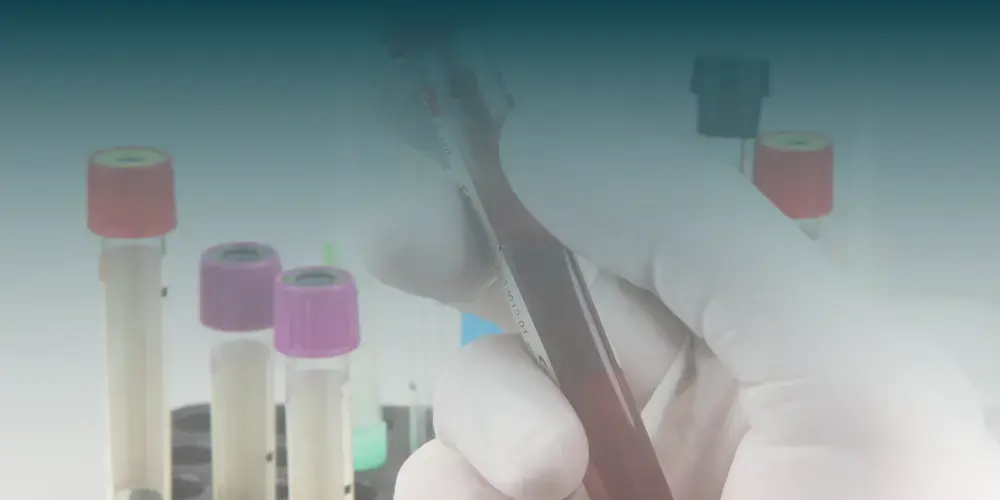
Diagnosis starts with a thorough history and physical exam, checking your dog's neurological status and looking for signs of bleeding, bruising, or abdominal discomfort. A complete blood count, blood chemistry panel, and urinalysis provide a baseline, and coagulation testing may be added if an anticoagulant type is suspected.
It's worth knowing that bloodwork can look entirely normal at the time of the initial visit, particularly with anticoagulant or cholecalciferol poisoning, and often needs to be repeated over the following days to catch developing changes. X-rays may also be used depending on your dog's specific symptoms.
How Do You Flush Poison Out of a Dog's System? Treatment Options
Treatment depends heavily on which active ingredient is involved. For most types, vets will induce vomiting if ingestion was recent, sometimes followed by activated charcoal to limit further absorption. From there, treatment diverges significantly by poison type.
For anticoagulants, treatment involves oral vitamin K1 for at least four weeks, with hospitalization, IV fluids, and even plasma or blood transfusions if bleeding symptoms are present. Cholecalciferol and bromethalin poisoning have no specific antidote — treatment focuses on aggressive IV fluids, decontamination, and managing the specific complications (calcium levels for cholecalciferol, brain swelling for bromethalin), though bromethalin cases with significant symptoms carry a more guarded outlook. Zinc and aluminum phosphide poisoning is managed with antacids to reduce gas production, along with liver support and seizure control as needed.
What Are the Odds of a Dog Surviving Rat Poison?
The prognosis is generally good when treatment begins promptly, before serious symptoms have developed. Most dogs treated early recover fully, and hospitalization for observation and supportive care typically lasts one to two days depending on the poison type and how much was ingested.
Timing really is the deciding factor here more than almost anything else. The outlook becomes considerably more guarded once significant symptoms — internal bleeding, seizures, organ damage — are already underway, which is exactly why contacting a vet immediately after known or suspected exposure, rather than waiting for confirmation that something's wrong, gives your dog the best possible chance.

Preventing Rat Poison Exposure
Keep all rat poison products stored well out of reach, ideally behind a latched door or in a cupboard your dog genuinely can't access. If you're using rat poison in your home or garden, keep a record of what product was used, where it was placed, and take a photo of the packaging in case you need it later for veterinary treatment.
Consider pet-safe alternatives like snap traps or live traps in areas your dog can access, reserving rodenticides for spaces dogs truly can't reach. When boarding your dog or leaving them with a sitter, ask directly whether rat poison is used anywhere on the property. And keep an eye on your dog's stool during walks in areas where rodenticide may be present, since the telltale dye colors can be an early warning sign before symptoms develop.
A Quick Word From Our Team
If your dog has eaten, or may have eaten, any type of rat poison, please don't wait to see how they do. Contact The Pet Vet Veterinary Clinic in Nad Al Hamar immediately, and bring the packaging or a photo of it if you can. With rat poison, how quickly you act genuinely shapes the outcome, and our team is ready to guide you through next steps right away.
Frequently asked questions
Can a dog be poisoned by eating a rat that already died from rat poison?
This kind of secondary poisoning is theoretically possible but considered quite rare and hasn't been well documented. That said, if your dog has eaten a dead rodent and you're unsure of the cause of death, it's still worth mentioning to your vet as a precaution.
Should I make my dog vomit at home if I know they just ate rat poison?
Only if a vet specifically instructs you to and explains how to do it safely. Inducing vomiting incorrectly, or in situations where it isn't appropriate (like suspected phosphide poisoning), can cause additional harm, so this step should always be guided by professional advice.
Is rat poison commonly used in Dubai homes and buildings?
Yes, rodenticides are a common pest control method in villas, apartment buildings, and gardens across Dubai, which makes accidental exposure a genuine risk for dogs with any outdoor access or contact with shared building spaces. Asking your building management or neighbors about pest control schedules can help you stay aware.
Can rat poison affect cats the same way it affects dogs?
Yes, cats are similarly vulnerable to rat poison, whether through direct ingestion or eating poisoned prey. The same urgency applies — any known or suspected exposure in a cat should be treated as an emergency and reported to your vet immediately.
How long will my dog need to stay at the clinic for treatment?
It depends on the poison type and severity, but many dogs are hospitalized for one to two days for monitoring, repeat bloodwork, and supportive care. More severe cases, particularly those involving significant bleeding or neurological symptoms, may require a longer stay.
Written by
The Pet Vet Team
Subscribe to Our Newsletter
Sign up for weekly pet health tips and insights from our veterinarians.