
Respiratory Distress in Cats and Dogs: Warning Signs and Emergency Care
 The Pet Vet Team
Labored, rapid, or noisy breathing in a cat or dog is never something to watch and wait on — it's one of the clearest signals in veterinary medicine that something needs attention right now. This guide from The Pet Vet in Nad Al Hamar explains what normal breathing looks like, the warning signs that separate concern from emergency, and what happens once you get to the clinic.
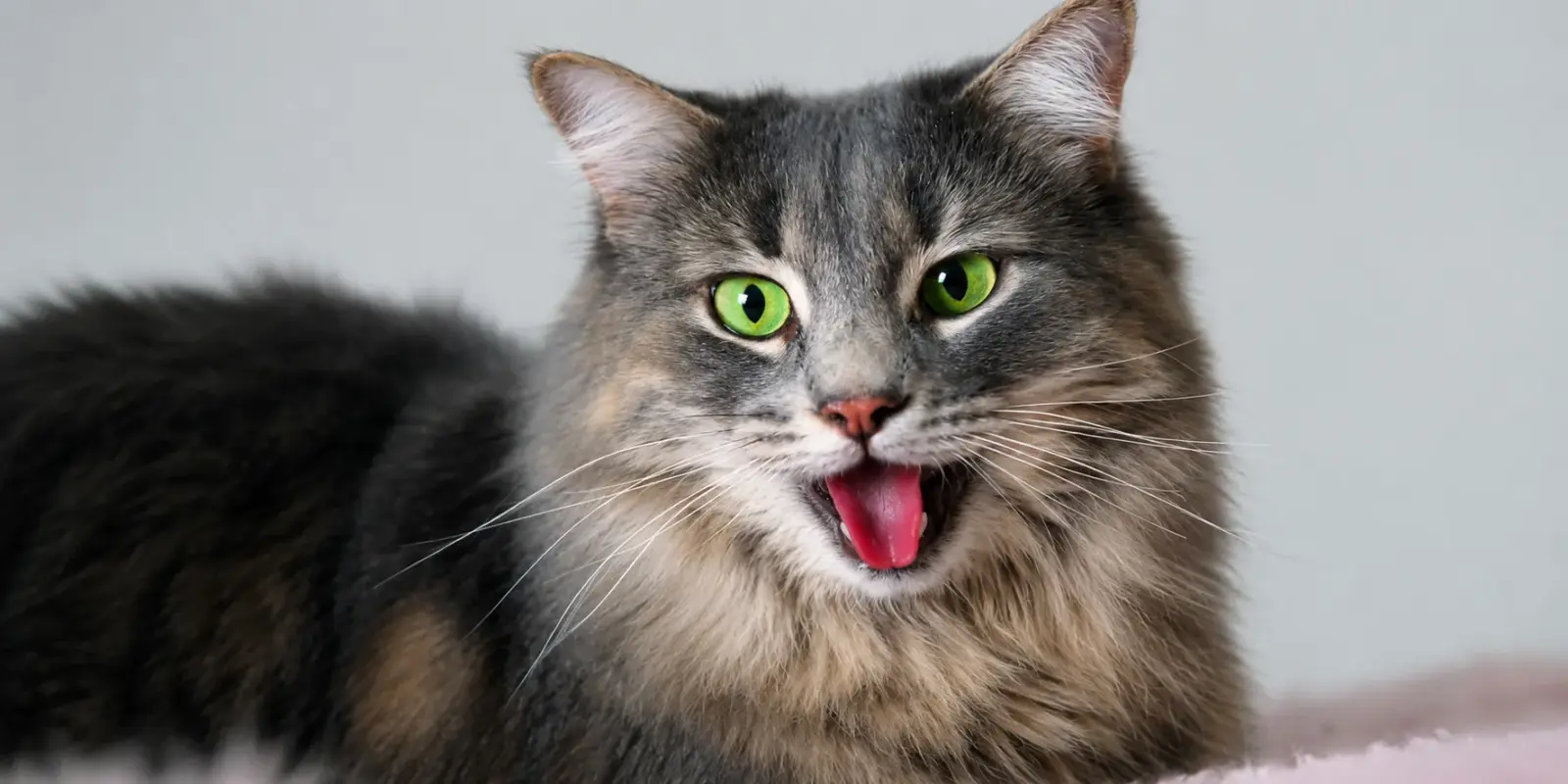
What Is Respiratory Distress, and Why Is It Always an Emergency?
Respiratory distress, sometimes called dyspnoea, means a cat or dog is struggling to breathe effectively. It can develop gradually over days, or come on suddenly with little warning — either way, it's genuinely distressing for the animal and can worsen quickly, sometimes within minutes.
This is exactly why labored or difficult breathing is always treated as an emergency in veterinary medicine, regardless of how it started. There's no version of respiratory distress that's safe to monitor from home first; treatment often needs to begin before a full diagnosis is even reached.
What Does Normal Breathing Look Like?
Knowing the baseline makes it much easier to spot when something's wrong. A resting cat typically takes between 20 and 30 breaths per minute, with quiet, barely noticeable movement of the chest. Dogs vary a bit more by size and breed, but resting rates in a similar range are generally normal, and panting after exercise or excitement is expected rather than concerning.
What's not normal is labored effort at rest — breathing that looks like real work, involves the belly moving exaggeratedly, or continues heavy and fast well after your pet has calmed down and cooled off. If you're ever unsure whether what you're seeing is within normal range, counting breaths for 30 seconds and doubling it gives you a quick, useful number to describe to your vet.
Is Rapid Breathing in Cats an Emergency?
It depends on the context, but it deserves real attention either way. Cats are naturally quieter breathers than dogs and don't pant the way dogs do under normal circumstances, so any rapid breathing that persists at rest — especially breathing rates climbing toward or beyond 40 breaths per minute while resting — is a genuine warning sign rather than something to dismiss.
If the rapid breathing appeared after brief excitement or a stressful car ride and settles within a few minutes once your cat is calm, that's less concerning. But rapid breathing that persists, worsens, or appears with no clear trigger at all should prompt a call to your vet the same day, not a wait-and-see approach.
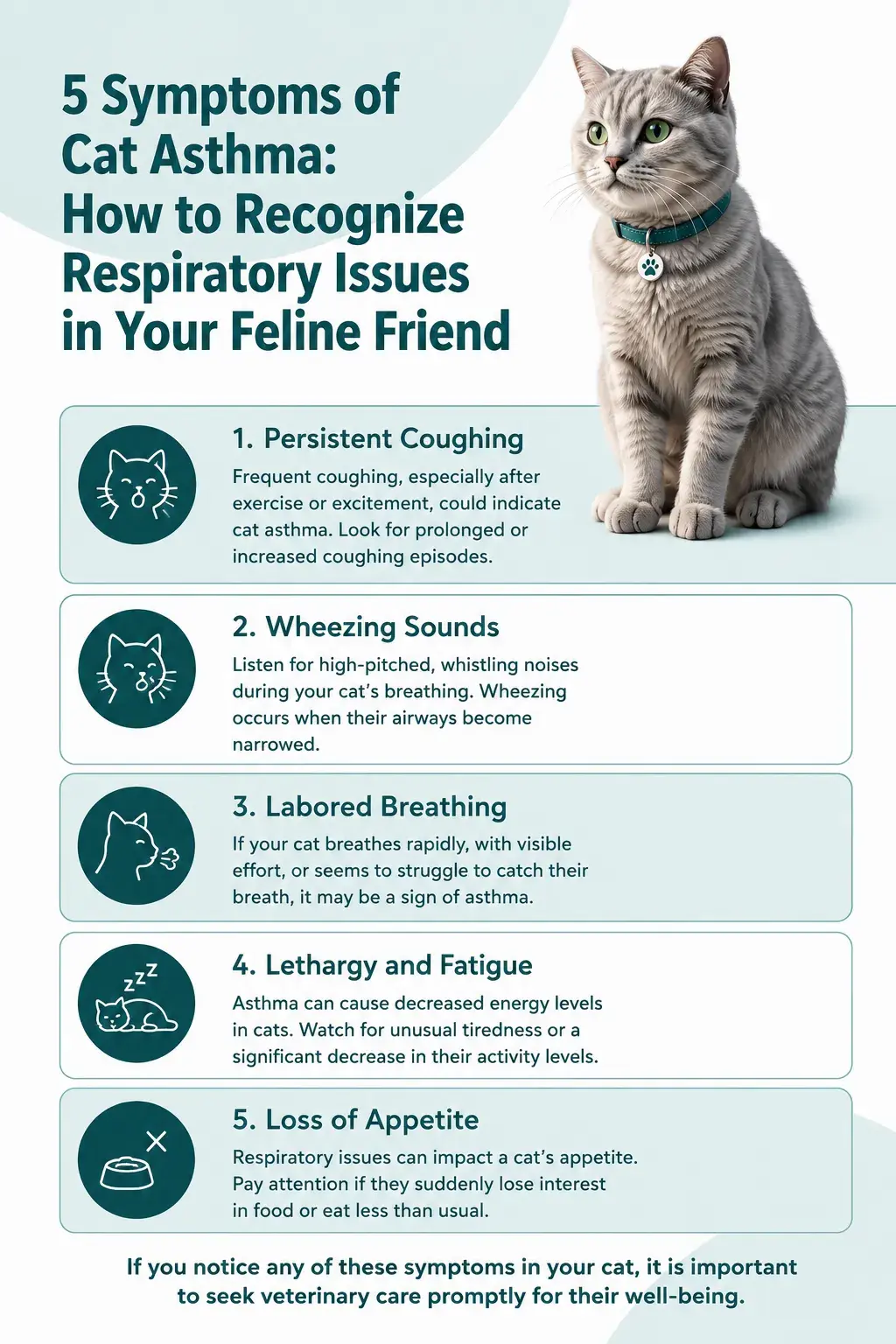
Warning Signs That Mean It's Time to Act
Some signs point clearly toward a genuine emergency rather than mild concern.
Watch for:
- Open-mouth breathing or panting in a cat (cats rarely pant, so this is significant)
- Blue, purple, or grey gums and tongue
- Breathing rate that stays elevated at rest, particularly above 40 breaths per minute in cats
- Exaggerated or labored movement of the chest or belly with each breath
- Standing with elbows pointed outward and neck stretched forward
- Inability to settle, pacing, or visible distress
- Collapse or extreme weakness
Any single one of these signs warrants an immediate vet visit. Several together, or a rapid decline over a short period, mean it's time to head to an emergency clinic rather than a routine appointment.
Understanding Unusual Breathing Sounds and Patterns
Owners often describe subtle changes before anything looks obviously wrong — a slightly different sound while breathing, faster breathing that seems otherwise fine, or heavy breathing with the mouth closed. Any of these patterns is worth paying attention to, since sound changes often reflect a narrowing or obstruction somewhere in the airway.
Breathing that seems heavier than normal during sleep or rest is a particularly important one to notice, since pets often mask discomfort while awake and active but reveal more when fully relaxed. If your cat or dog's breathing sounds different than it used to — wheezing, a rasping quality, or increased effort even while sleeping — that change itself is worth mentioning to your vet, even before other symptoms appear.
What to Do If Your Cat or Dog Is Having Trouble Breathing
Stay as calm as you can — a stressed owner tends to stress the pet further, and anxiety alone can worsen breathing effort in an already struggling animal. Move your pet to a calm, cool, well-ventilated space, and avoid handling or restraining them more than necessary, since forcing a distressed animal to be still can increase their effort and panic.
There's no effective home remedy for genuine respiratory distress — this isn't a wait-and-see or try-something-first situation. Call your vet or the nearest emergency clinic immediately and describe what you're seeing as clearly as you can. Transport your pet carefully, keeping them as calm and undisturbed as possible on the way, since minimizing additional stress during transport genuinely matters.
How to Tell When a Cat's Condition Is Critical
Certain signs indicate a cat has moved into truly critical territory and needs emergency intervention immediately. Blue, grey, or very pale gums signal the body isn't getting enough oxygen. Collapse, extreme lethargy, or unresponsiveness suggest the body is struggling to compensate any further. Open-mouth breathing combined with visible distress, or breathing that looks like genuine labor with every breath, are all signs that time matters enormously right now.
If you're seeing any of these signs, don't wait for a callback or an available appointment slot — go directly to an emergency vet. These are the moments where minutes genuinely count, and getting oxygen support and stabilization started quickly gives your cat the best possible chance.
Common Causes of Respiratory Distress
Breathing difficulty can stem from many different underlying problems, and the right treatment depends entirely on identifying which one is involved. Pneumonia — infection in the lungs, sometimes from inhaling food or liquid after vomiting — is one common cause. Congestive heart failure is another, where a struggling heart allows fluid to build up in and around the lungs.
Feline asthma causes airway inflammation and spasm that narrows the airways significantly, while pyothorax (infection in the chest cavity) compresses the lungs from outside. Laryngeal paralysis, more common in older large-breed dogs, prevents the throat from opening fully during heavy breathing. Beyond true respiratory issues, conditions like anemia or certain hormonal imbalances can mimic breathing distress without an actual lung or airway problem, which is part of why proper diagnosis matters so much.

How Vets Diagnose the Underlying Cause
Diagnosis often starts with what you can tell your vet and a careful physical exam — a lot of valuable information comes from this step alone. Bloodwork screens for specific conditions or guides safe use of sedation, X-rays show the heart, lungs, and chest structures, and a CT scan offers more detailed 3D imaging when needed.
Ultrasound provides rapid, low-stress information, particularly for evaluating the heart. In more complex cases, bronchoscopy (examining airways with a small camera under anesthesia) or airway washing (collecting fluid samples to identify infection) may be used, though these more involved tests are often delayed until a patient is stable enough to tolerate them safely.
Treatment and Prognosis
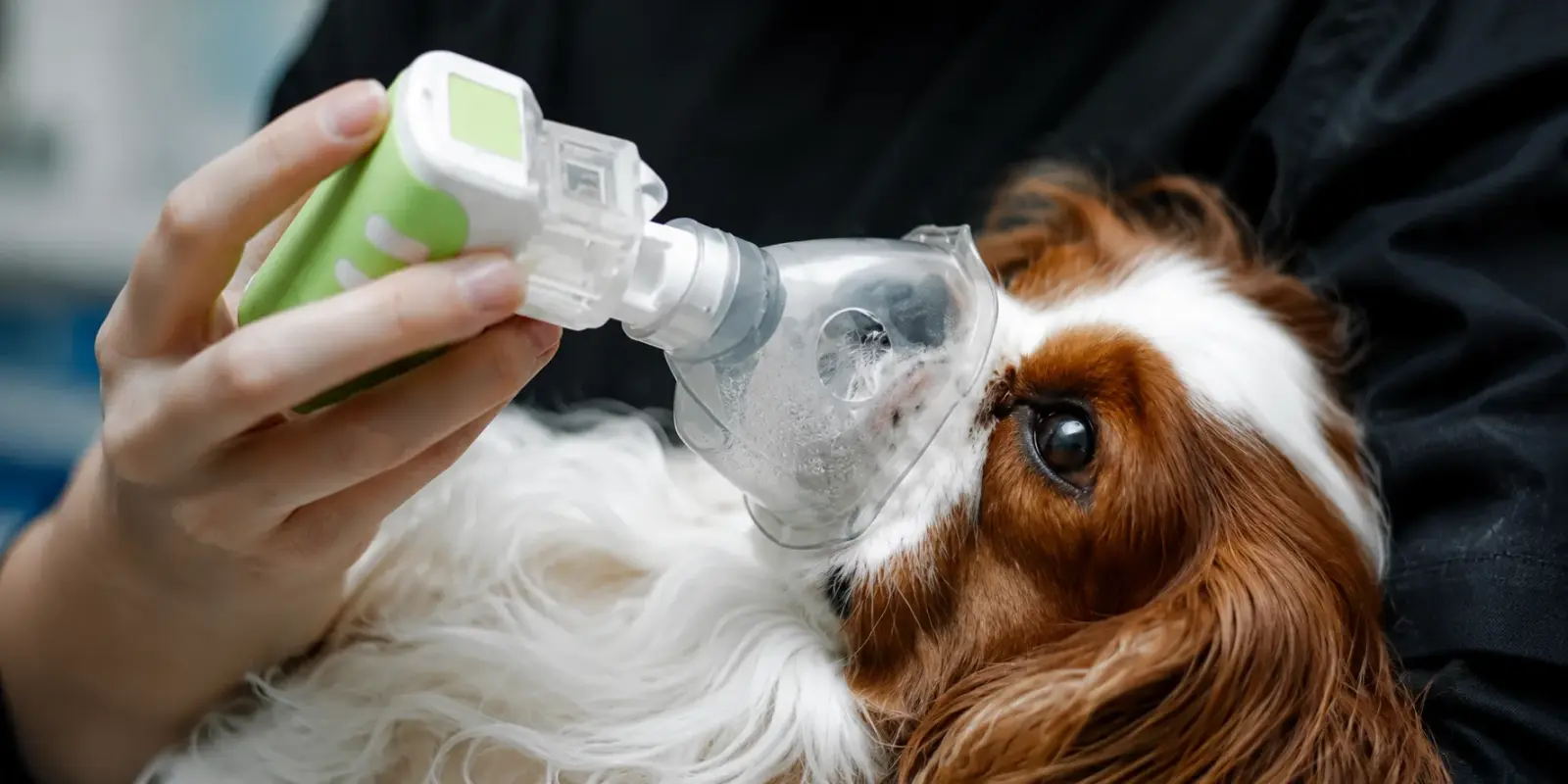
Most pets in respiratory distress benefit from supplemental oxygen right away, delivered in different ways depending on their size and how unstable they are. Sedation is often used too, since a calmer pet breathes with less effort and stress, which can meaningfully ease the strain during treatment.
For more severe cases, additional interventions may be needed — draining fluid from around the lungs, creating a temporary airway opening past an obstruction, or in the most critical situations, ventilator support. Prognosis varies enormously depending on the underlying cause and how quickly treatment began, which is really the through line across everything here: earlier intervention consistently gives pets the best chance at a good outcome.
A Quick Word From Our Team
If your cat or dog is showing any signs of breathing difficulty, please don't wait to see if it passes — this is one of the clearest signals in veterinary medicine that immediate care is needed. Contact The Pet Vet Veterinary Clinic in Nad Al Hamar right away, or head straight to an emergency vet if we're not immediately available. Fast action genuinely changes outcomes with respiratory distress.
Frequently asked questions
Can stress or anxiety alone cause a cat to breathe rapidly?
Yes, brief situational stress — a vet visit, a car ride, a loud noise — can cause temporary rapid breathing that resolves once your cat calms down. The key difference is duration and context: stress-related breathing settles quickly, while a genuine medical issue tends to persist or worsen regardless of the environment.
Is respiratory distress different in dogs compared to cats?
The underlying causes can differ somewhat — laryngeal paralysis is more common in older large dogs, for instance, while feline asthma is specific to cats — but the core warning signs (labored breathing, blue gums, collapse) apply to both. Either species showing these signs needs the same urgent response.
Should I give my pet oxygen at home if I happen to have a tank?
This isn't recommended without veterinary guidance, since incorrect oxygen delivery can be ineffective or even counterproductive depending on the underlying cause. The safest and most effective step is getting your pet to professional care quickly rather than attempting treatment at home.
How is asthma in cats different from other respiratory conditions like bronchitis?
Feline asthma specifically involves airway spasm and inflammation triggered by allergens, causing sudden episodes of breathing difficulty, often with wheezing or coughing. Other conditions, like chronic bronchitis or infections, tend to develop more gradually and may involve different underlying inflammation — an exam and imaging help distinguish between them.
Can Dubai's heat and dust make pets more prone to breathing problems?
Yes, to some extent. Dust and airborne particles can aggravate airway sensitivity in predisposed pets, and heat-related panting or heat stress can compound existing respiratory strain, particularly in flat-faced breeds. This doesn't cause conditions like asthma or heart failure outright, but it can make symptoms more noticeable or frequent.
Written by
The Pet Vet Team
Subscribe to Our Newsletter
Sign up for weekly pet health tips and insights from our veterinarians.