Pet Dental Care in Dubai: Dental Cleaning and Treatment for Dogs and Cats
 The Pet Vet Team
Dental disease is the most common condition vets see, and consistently the most underestimated by owners — by age three, over 80% of dogs and 70% of cats already show signs of it.
Why Pet Dental Care Matters More Than Most Owners Realize
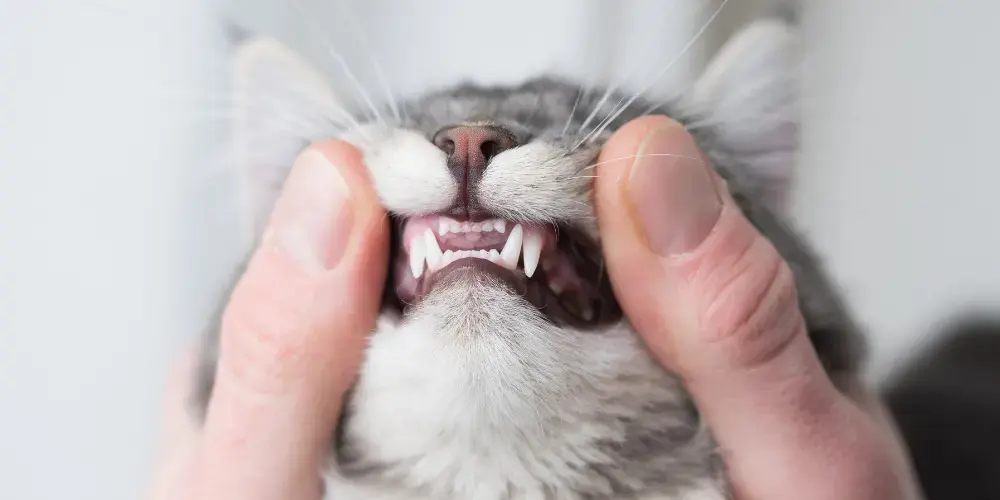
Dental disease is the single most common condition seen in veterinary practice, and it's consistently underestimated by pet owners until it's already advanced. By age three, more than 80% of dogs and 70% of cats show measurable signs of dental disease — numbers that surprise most owners, since the early stages rarely look dramatic from the outside.
The consequences go well beyond bad breath. Untreated dental disease causes chronic pain that pets often hide instinctively, progressive tooth loss, and — perhaps most underappreciated — bacterial spread from the mouth into the bloodstream, with documented links to problems affecting the heart, kidneys, and liver. Dental care isn't a cosmetic add-on to your pet's healthcare; it's a genuine driver of their overall long-term health.
Warning Signs Your Pet Needs a Dental Visit
Some signs are easy to miss simply because they develop gradually. Watch for:
- Persistent bad breath that doesn't improve with time
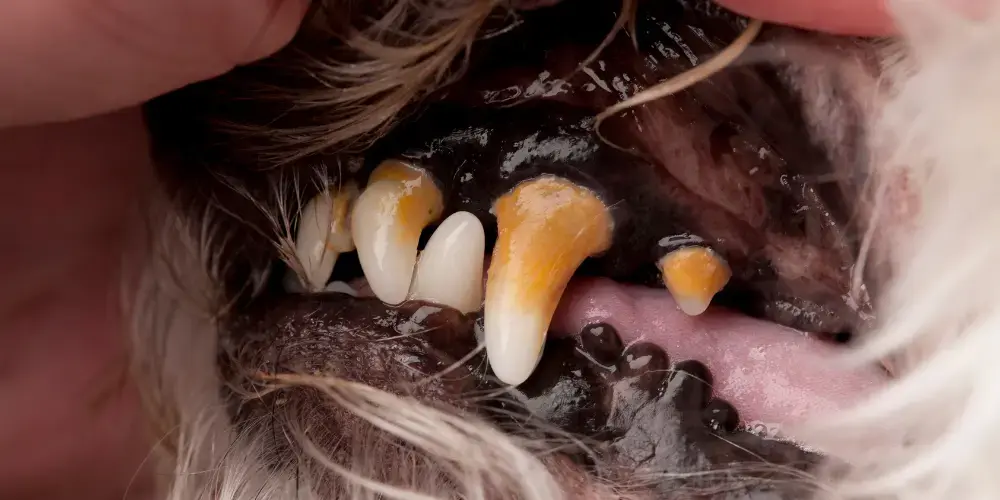
- Yellow, brown, or dark deposits (tartar) on the teeth
- Red, swollen, or bleeding gums
- Difficulty chewing, dropping food, or favoring one side of the mouth
- Pawing or rubbing at the face or mouth
- Reduced appetite or reluctance to eat harder food or kibble
- Visibly loose or broken teeth
- Excessive drooling
Any single one of these is worth a dental checkup, and pets over two years old benefit from an annual dental exam even without obvious symptoms, since a lot of dental disease progresses silently beneath the gumline long before it becomes visible.
What Happens During a Professional Dental Cleaning
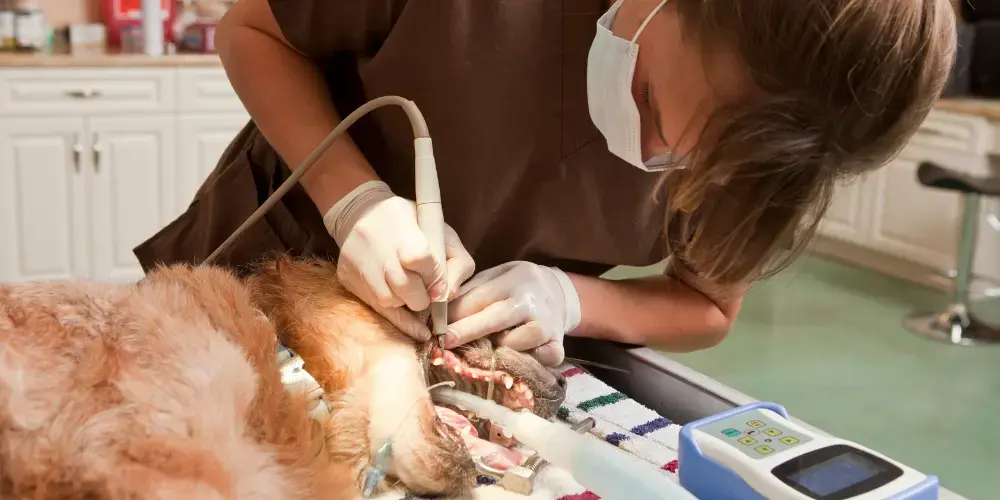
A professional cleaning includes ultrasonic scaling to remove plaque and tartar, polishing to smooth the tooth surface afterward, and a full oral examination covering every tooth surface, the gum tissue, and the soft tissues of the mouth. This is a considerably more thorough process than it might sound — it's genuinely a diagnostic exam as much as a cleaning.
The most important part happens below the gumline, where subgingival tartar harbors the bacteria responsible for the most serious dental disease and its downstream health effects. This is the area a cleaning needs to reach properly to actually make a difference, and it's also the area that simply can't be accessed safely or thoroughly without anesthesia.
Why General Anesthesia Is Necessary, Not Optional
This is worth addressing directly, since it's one of the most common points of hesitation for owners. Awake or "cosmetic" dental scaling — cleaning performed on a conscious pet without anesthesia — cannot achieve proper subgingival scaling, cannot allow a full examination of every tooth surface, and typically causes significant stress and fear for the animal being restrained through the process.
Anesthesia allows a calm, pain-free, and genuinely thorough procedure: safe scaling below the gumline, complete examination without a struggling patient, and the ability to address extractions immediately if needed rather than requiring a second procedure later. Modern veterinary anesthesia, administered with proper monitoring and a protocol tailored to your pet's individual health, is very safe — considerably safer, in fact, than leaving serious dental disease to progress untreated.
Dental X-Rays and Full Oral Assessment
A visual exam alone can't tell the whole story, since a significant amount of dental disease occurs below the gumline where it isn't visible even during a thorough look. Dental X-rays help evaluate bone health, tooth root condition, and hidden problems like abscesses or resorption that would otherwise go undetected until they become much more serious.
This is part of why a proper dental procedure takes real time rather than being a quick surface clean — between imaging, scaling every surface, and a genuine tooth-by-tooth assessment, thoroughness is what actually protects your pet's long-term oral health rather than just producing whiter teeth for a photo.
Before Your Appointment: Pre-Anesthetic Screening
Pre-anesthetic bloodwork is recommended for every patient undergoing a procedure requiring general anesthesia, dental cleaning included. This screens for underlying organ function issues that could affect anesthetic safety, and senior pets may need a more comprehensive panel depending on their age, breed, and overall health.
Your vet will advise on exactly what's appropriate at a pre-dental consultation, and your pet will need to be fasted from the night before the procedure. This preparation isn't a formality — it's what allows the anesthetic protocol to be genuinely tailored to your specific pet rather than applied as a one-size-fits-all approach.
What to Expect During the Procedure
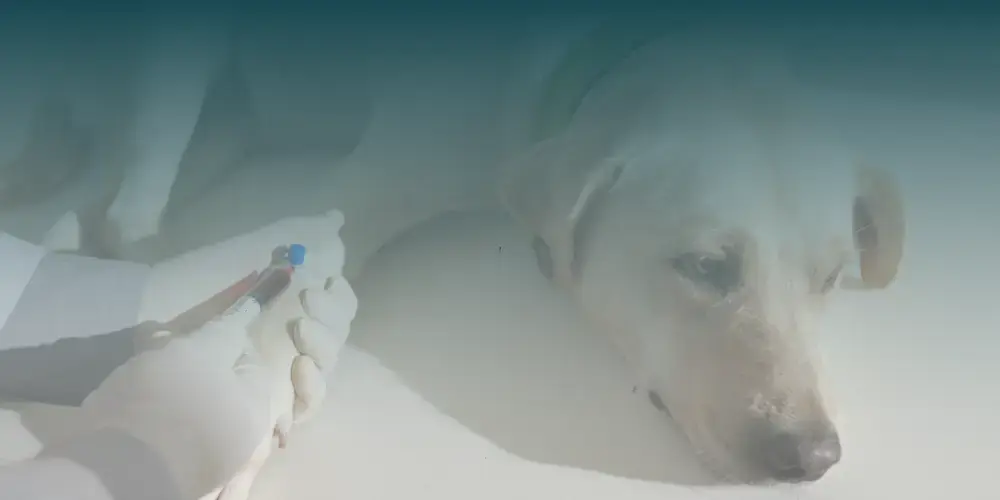
Most dental procedures are completed in a single visit, typically taking between 45 minutes and two hours depending on how much disease is found once your vet can properly assess every tooth. Vital signs are monitored continuously throughout, and if extractions are needed, they're generally addressed during the same anesthetic episode rather than requiring your pet to go under again separately.
This single-visit approach genuinely matters for your pet's wellbeing — it means one period of fasting, one anesthetic event, and one recovery, rather than repeated procedures spread across multiple visits.
Recovery After a Dental Procedure
Most pets go home the same day and are back to their normal selves within 24 to 48 hours. You'll receive a dental chart documenting the condition of every tooth, a discharge summary, and specific guidance on home care going forward, so nothing about what was found or treated is left unclear.
If extractions were performed, your vet will walk you through a pain management plan and specific feeding guidance for the first few days — usually softer food temporarily while the extraction sites heal. Most pets adapt to this adjustment quickly and often seem noticeably more comfortable once a painful tooth is finally gone.
At-Home Dental Care Between Visits
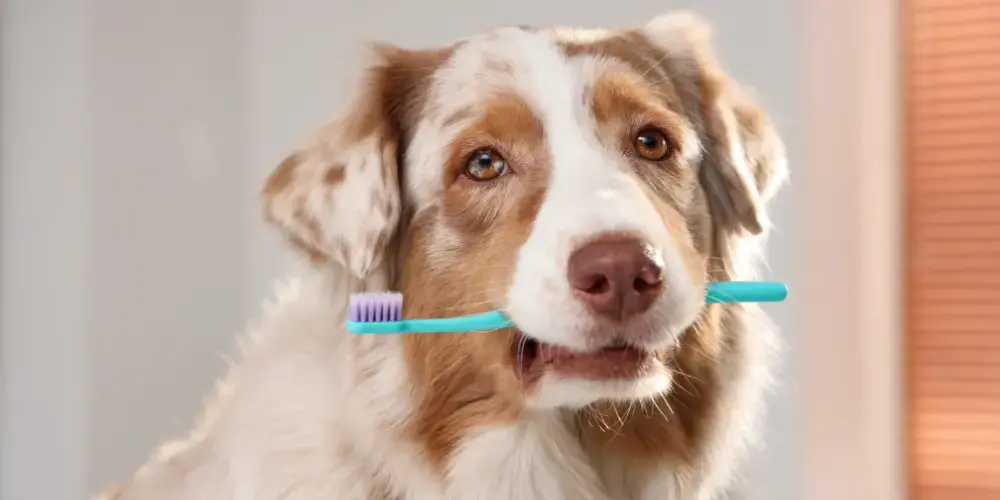
Daily brushing with a soft pet toothbrush and enzymatic pet toothpaste is genuinely the single most effective home care habit, and even a few times a week makes a meaningful difference over time. Never use human toothpaste — it's not formulated for pets and can cause stomach upset.
Dental chews and treats designed to mechanically scrape plaque provide useful additional support, as can water additives or specialized dental diets formulated to reduce plaque and tartar buildup. None of these replace professional cleaning entirely, but a consistent home routine genuinely reduces how often — and how severe — professional intervention needs to be.
How Often Should Pets Have Dental Checkups?
Annual dental exams are recommended for all pets over two years old, allowing your vet to catch developing issues, including hidden decay beneath the gumline, well before they become painful or require extraction. Pets with a history of dental disease, or breeds genetically prone to it, may benefit from more frequent monitoring.
Prevention really is the throughline across all of this: consistent home care, a dental-friendly diet, and regular professional checkups together significantly reduce how often more involved procedures are needed down the line. For cat owners specifically dealing with gum inflammation, our guide to gingivitis in cats covers that condition's specific signs and treatment in more depth.
A Quick Word From Our Team
If you've noticed bad breath, tartar buildup, or any changes in how your pet eats, it's worth having their mouth checked sooner rather than later. The team at The Pet Vet Veterinary Clinic in Nad Al Hamar provides thorough dental exams, professional cleanings, and honest guidance on what your specific pet actually needs. Book an appointment whenever you're ready — early attention makes dental care simpler and far more comfortable for your pet.
Frequently asked questions
Is anesthesia-free (awake) dental cleaning ever appropriate for pets?
No, it isn't something we recommend or offer. It can't achieve proper cleaning below the gumline where serious disease actually lives, doesn't allow a full examination of every tooth, and tends to cause significant stress to the animal being restrained throughout. It also creates a false sense of a clean, healthy mouth without addressing the disease that matters most.
At what age should I start dental care for my puppy or kitten?
Home care habits like gentle brushing can begin early, often once adult teeth have come in around six months, to help your pet get comfortable with the process. Professional dental checkups typically start becoming relevant from around one to two years old, depending on breed and individual risk factors.
How can I tell if my pet's dental disease is causing pain if they're still eating normally?
Pets are remarkably good at masking oral pain and often continue eating even with significant disease present. Subtler signs like chewing on one side, slightly slower eating, or reduced enthusiasm around mealtimes can be early indicators worth mentioning to your vet, even without an obvious refusal to eat.
Are dental chews alone enough to prevent dental disease?
Not on their own. Chews provide useful mechanical plaque removal, but they work best alongside regular brushing and professional cleanings rather than as a standalone solution. Relying on chews exclusively usually isn't enough to prevent disease progression over the long term.
How much does a professional pet dental cleaning cost in Dubai?
Costs vary depending on the extent of disease found, whether extractions or dental X-rays are needed, and your pet's specific anesthetic requirements. A pre-dental consultation is the best way to get an accurate estimate tailored to your pet's actual condition rather than a generic figure.
Written by
The Pet Vet Team
Subscribe to Our Newsletter
Sign up for weekly pet health tips and insights from our veterinarians.