Parvovirus in Dogs
 The Pet Vet Team
Parvovirus is one of the most feared illnesses among dog owners, and for good reason — it spreads easily and can turn serious within days. This guide from The Pet Vet in Nad Al Hamar covers how parvo spreads, the earliest signs to watch for, what treatment involves, and how vaccination protects your puppy.
What Is Parvovirus in Dogs?
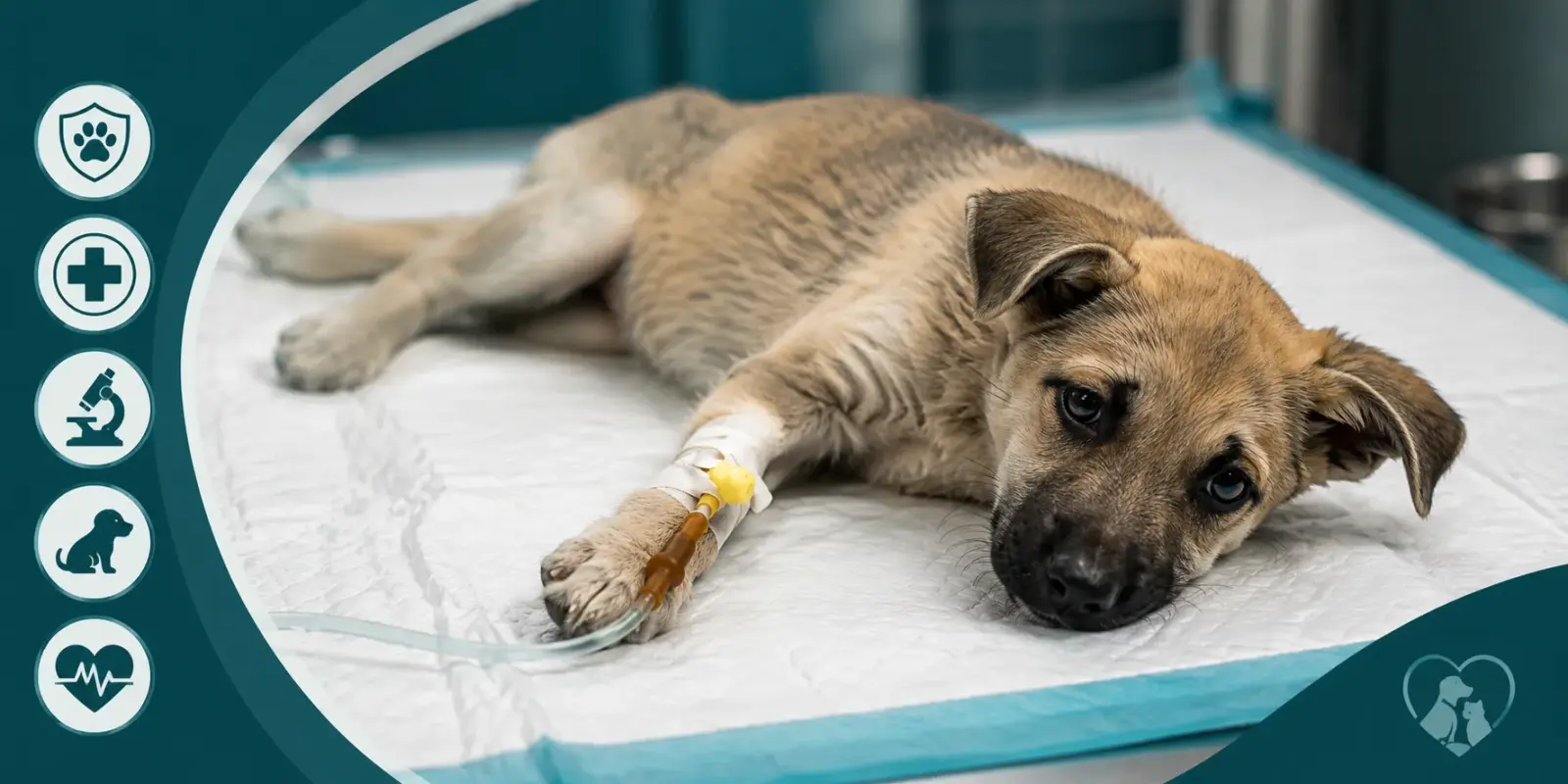
Canine parvovirus, usually just called parvo or CPV, is a highly contagious virus that attacks rapidly dividing cells in the body — particularly those lining the intestines. That's why the disease shows up primarily as severe digestive illness rather than the coughing or sneezing you might expect from other viruses.
First identified in the 1970s, parvo remains one of the most serious infectious diseases affecting dogs today, despite decades of effective vaccines. The strain responsible for nearly all serious cases, CPV-2, is aggressive enough to damage the intestinal lining quickly, allowing bacteria to enter the bloodstream and raising the risk of sepsis, dehydration, and shock if treatment doesn't start promptly.
What Is the Main Cause of Parvovirus in Dogs?
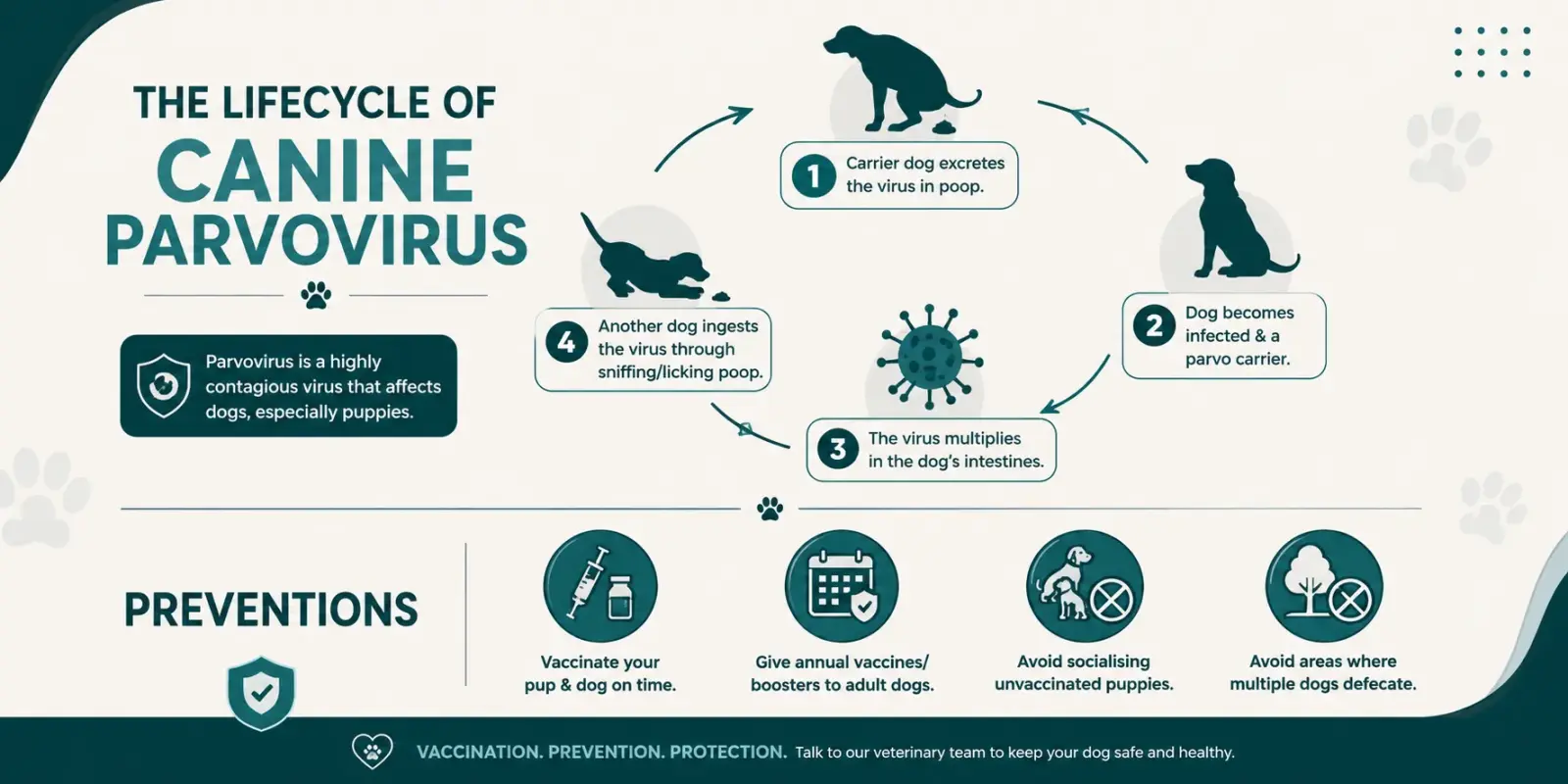
The main cause is exposure to the virus through infected feces, and this is where parvo becomes genuinely tricky to avoid. Infected dogs shed enormous amounts of virus in their stool, and a healthy dog can pick it up simply by sniffing, licking, or walking near contaminated ground — direct contact with an infected dog isn't even necessary.
What makes this worse is how tough the virus is once it's out in the environment. Parvovirus can survive for months in soil, grass, concrete, kennels, and parks, and it resists many common cleaning products along with extremes of heat and cold. People can unknowingly carry it too, on shoes, hands, leashes, and equipment, which is exactly why an unvaccinated puppy can become infected without ever meeting a sick dog.
Is Parvovirus a Concern in Dubai?
Yes, genuinely. Vaccination programs have reduced case numbers significantly compared to previous decades, but parvo still circulates in Dubai and across the UAE. With a large dog population, busy boarding facilities, grooming salons, and pet-friendly parks and communities, there are plenty of opportunities for the virus to pass between dogs and environments.
Unvaccinated puppies are especially exposed, since they often encounter public spaces before their vaccination series is complete. This is exactly why vets recommend keeping puppies away from dog parks and unfamiliar dogs until they've finished their full course of shots, even in a city where overall case numbers are lower than they once were.
Which Dogs Are Most at Risk?
Unvaccinated puppies under five months old face the highest risk, since their immune systems are still immature and they often haven't completed their vaccination schedule yet. This creates a genuine window of vulnerability that lines up with exactly the age most puppies are exploring the world for the first time.
Certain breeds also seem more prone to severe infections, including Rottweilers, Dobermans, German Shepherds, American Pit Bull Terriers, and English Springer Spaniels, though vets don't fully understand why. Dogs dealing with stress, poor nutrition, concurrent illness, or a weakened immune system tend to fare worse if they do get infected, regardless of breed.
What Are the First Symptoms of Parvo in a Dog?
Symptoms typically show up three to seven days after exposure, and the earliest signs are often easy to miss. A puppy might simply seem quieter than usual, sleep more, or show less enthusiasm for play, often followed by a sudden loss of interest in food or treats they'd normally rush toward.
As the disease progresses, more obvious symptoms appear, including:
- Extreme lethargy and weakness
- Fever
- Vomiting and loss of appetite
- Diarrhea, which often becomes watery, foul-smelling, and streaked or heavy with blood as the illness progresses
- Abdominal pain and dehydration
Owners often describe an affected puppy as suddenly "flat" — quiet, weak, and uninterested in everything. This combination of vomiting and diarrhea is dangerous because it drains fluids and electrolytes fast, so any of these signs in a puppy deserve an urgent vet visit rather than a wait-and-see approach.
What Happens Inside the Body?
Parvovirus targets the villi — tiny structures lining the intestine that absorb nutrients and fluid — and destroys them, leaving the gut inflamed and unable to function properly. As this damage worsens, diarrhea intensifies, nutrient absorption drops, and bacteria get an opening to reach deeper tissues.
At the same time, the virus attacks bone marrow cells responsible for producing white blood cells, weakening the immune system right when the body needs it most to fight secondary infection. The combination of dehydration, malnutrition, infection risk, and immune suppression is exactly why this disease needs to be taken seriously and treated aggressively rather than managed passively.
How Parvovirus Is Diagnosed
Diagnosis starts with a physical exam and a look at symptoms and vaccination history — a puppy with vomiting, diarrhea, and an incomplete vaccine schedule immediately raises suspicion. From there, a few tests confirm what's going on.
A complete blood count often shows a significantly reduced white blood cell count, which supports the diagnosis alongside compatible symptoms. The Parvo SNAP Test, a fecal ELISA test, is the most commonly used tool — it mixes a stool sample with a reagent and gives results quickly, which matters in urgent situations. PCR testing, while more expensive, can detect even small amounts of viral DNA and is useful in complicated or unclear cases.
Is There a Cure, and What Kills Parvovirus in Dogs?
There's no direct cure that eliminates the virus once a dog is infected — treatment instead focuses on keeping the dog alive, hydrated, and stable while their own immune system fights it off, which is why hospitalization is so often necessary. Isolation matters too, since infected dogs continue shedding virus that could infect others.
\
As for what actually kills parvovirus in the environment, standard household cleaners generally aren't strong enough. Bleach-based disinfectants and accelerated hydrogen peroxide formulations are among the few products proven effective against it, and thorough cleaning of bedding, floors, toys, and any surfaces an infected dog has touched is essential before bringing another dog into that space.
Can a Dog Survive Parvo? Recovery and Prognosis
Yes — and the outlook has improved considerably with modern veterinary care. With prompt, aggressive treatment, survival rates commonly reach around 85 to 95%. The first three to four days tend to be the most critical; dogs that stabilize during this window usually continue improving steadily from there.
Most dogs need roughly two to three weeks to fully recover, though energy levels can take a bit longer to bounce all the way back. During recovery, following medication instructions closely, offering easily digestible meals, keeping the environment clean, and attending follow-up visits all support a smoother return to normal.
Preventing Parvovirus, and Can a Fully Vaccinated Dog Still Get It?
Vaccination is by far the most effective prevention, with puppies typically starting between six and eight weeks of age, followed by boosters every two to four weeks until around 16 to 20 weeks, and ongoing boosters into adulthood. So can a fully vaccinated dog still get parvo? It's possible, but rare — no vaccine offers absolute 100% protection, and vaccinated dogs that do get infected tend to experience noticeably milder illness than unvaccinated ones.
Beyond vaccination, environmental hygiene matters too. Regularly disinfecting shared spaces with effective products, and keeping unvaccinated puppies away from dog parks and unfamiliar dogs until their series is complete, meaningfully low
A Quick Word From Our Team
If your puppy is showing lethargy, vomiting, diarrhea, or has simply stopped eating, please don't wait to see if it passes. Contact The Pet Vet Veterinary Clinic in Nad Al Hamar right away — early treatment makes a real difference with parvovirus, and our team is ready to assess your puppy quickly and start supportive care if needed. Acting fast genuinely improves the odds of a full recovery.
Frequently asked questions
How much does parvo treatment typically cost in Dubai?
Costs vary widely depending on severity and length of hospitalization, since intensive cases requiring several days of IV fluids and monitoring cost more than milder ones caught early. Your vet can give a clearer estimate once your dog has been assessed.
Can cats catch parvovirus from dogs?
Canine parvovirus doesn't typically infect cats, though cats have their own related virus called feline panleukopenia, sometimes referred to as feline parvo. The two are closely related but generally don't cross-infect between species in the way owners often assume.
If one dog in my household has parvo, should my other dogs be tested?
Your vet will usually recommend monitoring other dogs closely for symptoms and checking their vaccination status, rather than automatically testing every dog. Vaccinated, healthy dogs in the same household are at much lower risk, but any signs of illness should be checked promptly.
How long should I wait before bringing a new puppy into a home that had a parvo case?
Given how long the virus can persist in the environment, most vets recommend thorough disinfection of the entire space and waiting at least a month before introducing a new, unvaccinated puppy, even after visible cleaning has been done.
Does Dubai's climate make parvo more or less of a risk?
Heat alone doesn't reliably destroy the virus, so the climate doesn't offer much natural protection. Risk in Dubai is driven more by contact with contaminated environments and unvaccinated dogs than by temperature, which is why vaccination remains the priority regardless of season.
Written by
The Pet Vet Team
Subscribe to Our Newsletter
Sign up for weekly pet health tips and insights from our veterinarians.