Kennel Cough Vaccination in Dubai
 The Pet Vet Team
Wondering if your dog needs the kennel cough vaccine in Dubai? Learn how the Bordetella vaccine works, when it's recommended, what symptoms to watch for, and why many boarding facilities and groomers require it. Expert guidance from The Pet Vet Veterinary Clinic in Nad Al Hamar.

Kennel Cough Vaccination in Dubai: Everything Dog Owners Need to Know About the Bordetella Vaccine
As a dog owner, you want your companion to enjoy every adventure, whether that's running around at the park, spending the day at doggy daycare, visiting the groomer, or staying at a boarding facility while you're away. But every social outing also increases exposure to contagious diseases, including one of the most common respiratory infections in dogs: kennel cough.
One of the questions we hear most often at The Pet Vet Veterinary Clinic in Nad Al Hamar, Dubai is:
"Does my dog really need the kennel cough vaccine?"
The answer depends on your dog's lifestyle, age, and how often they interact with other dogs. While the Bordetella vaccine isn't considered a core vaccination like rabies, it's strongly recommended for many dogs living in the UAE because of the active pet community and the number of shared spaces where dogs meet.
In this guide, we'll explain what kennel cough is, how the Bordetella vaccine helps protect your dog, which dogs benefit the most, and what every pet owner in Dubai should know before booking boarding, grooming, daycare, or training sessions.
What Is Kennel Cough?
Kennel cough is the everyday name for a highly contagious respiratory disease known medically as Canine Infectious Respiratory Disease Complex (CIRDC) or infectious tracheobronchitis.
Despite its name, dogs don't have to stay in a kennel to catch it.
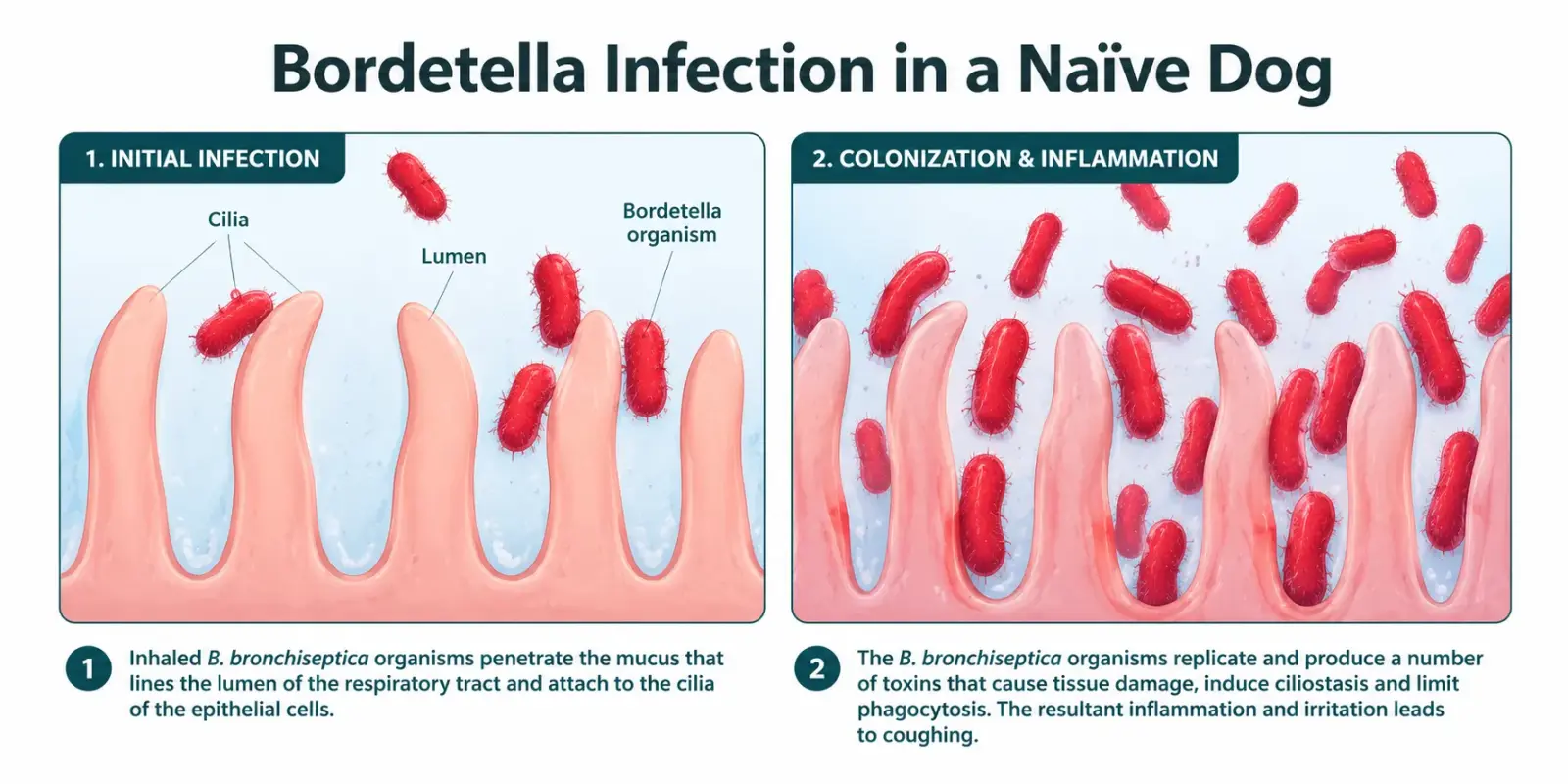
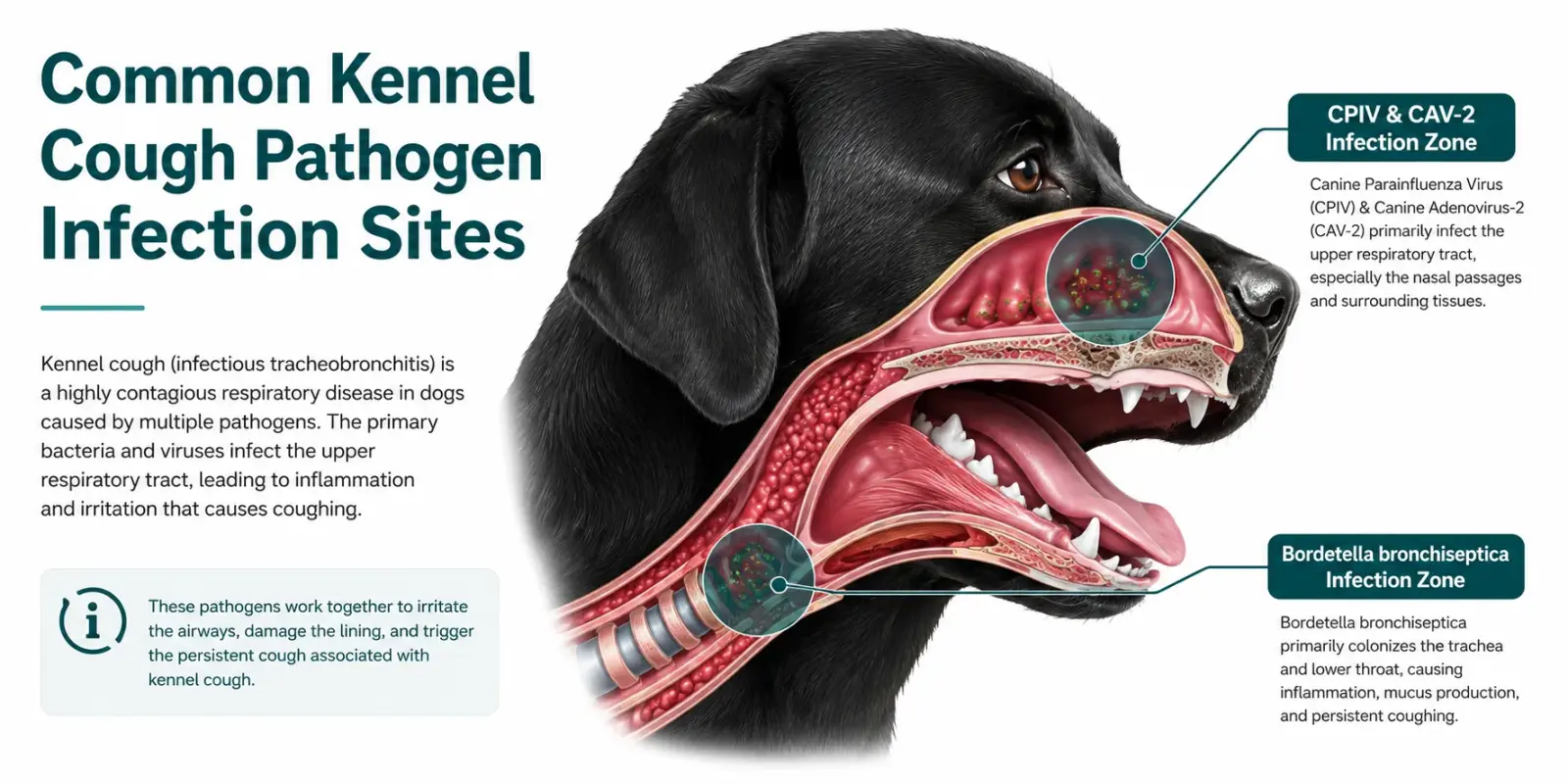
The condition is caused by several different viruses and bacteria that attack the upper respiratory tract. The best-known bacterial cause is Bordetella bronchiseptica, which is why the vaccine is commonly called the Bordetella vaccine.
Once these organisms enter the respiratory system, they irritate the windpipe and airways, leading to inflammation and the classic dry, harsh cough that sounds almost like your dog is trying to clear their throat.
For healthy adult dogs, kennel cough is usually mild and self-limiting. However, puppies, senior dogs, and dogs with weakened immune systems can develop more serious respiratory infections that require veterinary treatment.
Why Is Kennel Cough Common in Dubai?
Dubai has become one of the most pet-friendly cities in the region. Dogs regularly visit beaches, parks, cafés, training centres, boarding facilities, veterinary clinics, grooming salons, daycare centres, and community events.
While these places provide excellent opportunities for exercise and socialisation, they also allow respiratory diseases to spread easily.
Many owners assume their dog must have direct contact with a sick dog to become infected. In reality, kennel cough spreads through tiny droplets released when infected dogs bark, cough, sneeze, or even breathe heavily.
The bacteria and viruses can also survive on shared bowls, toys, bedding, grooming equipment and other commonly used surfaces.
Because outbreaks can spread quickly, many boarding kennels, dog daycares, groomers and training facilities across Dubai require proof of Bordetella vaccination before accepting dogs.
These policies aren't simply administrative requirements—they help protect every dog using the facility.
How Does the Bordetella Vaccine Protect Your Dog?
The Bordetella vaccine is designed to reduce the risk of infection from Bordetella bronchiseptica, one of the leading causes of kennel cough.
Many modern vaccines also provide protection against additional respiratory organisms such as canine parainfluenza virus and canine adenovirus type 2, helping to broaden your dog's defence against respiratory disease.
It's important to understand that kennel cough isn't caused by a single organism. Instead, it's a group of infections that work together to affect the respiratory tract.
Because of this, no vaccine can completely eliminate the possibility of kennel cough.
However, vaccination plays a major role in reducing:
- The likelihood of infection
- The severity of symptoms
- Recovery time
- The risk of complications
- The spread of infection to other dogs
At The Pet Vet, we always explain that the goal of vaccination isn't just preventing coughing. It's about helping your dog's immune system respond faster and more effectively if they come into contact with the disease.
What Are the Signs of Kennel Cough?
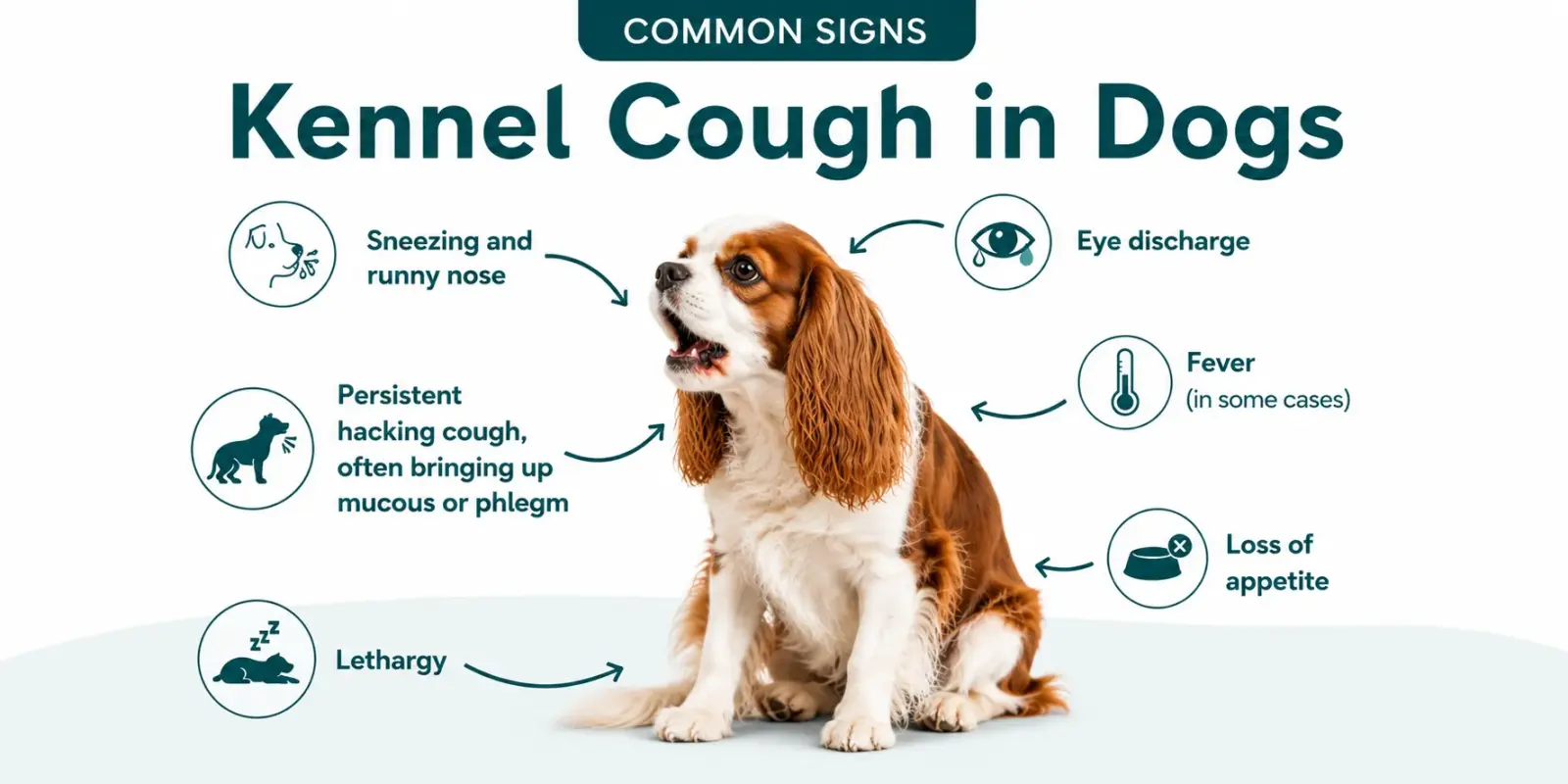
The most recognisable symptom is a dry, repetitive cough that many owners describe as sounding like a goose honking.
Some dogs cough so forcefully that they gag afterwards, making it appear as though they're trying to vomit or have something stuck in their throat.
Other symptoms can include:
- Sneezing
- Runny nose
- Mild eye discharge
- Low-grade fever
- Lethargy
- Reduced appetite
- Mild wheezing
- Occasional difficulty exercising
Interestingly, many dogs with kennel cough still seem happy, energetic and eager to eat despite their persistent cough.
If your dog develops coughing shortly after boarding, visiting the groomer, attending daycare, or spending time at a dog park, it's important to arrange a veterinary examination. Similar symptoms can also be caused by heart disease, collapsing trachea, pneumonia or other respiratory conditions, so an accurate diagnosis is essential.
Which Dogs Should Receive the Kennel Cough Vaccine?
Unlike core vaccinations that are recommended for every dog, the Bordetella vaccine is considered a lifestyle vaccine.
This means your veterinarian recommends it based on your dog's daily activities and exposure risk.
Dogs that spend nearly all of their time at home with very little interaction with other dogs generally have a lower chance of exposure. However, many dogs in Dubai enjoy active social lives, making vaccination highly beneficial.
Your veterinarian may recommend the Bordetella vaccine if your dog regularly visits boarding facilities, grooming salons, daycare centres, dog parks, training classes, pet-friendly cafés, beaches, dog events, or lives in a household with multiple dogs.
If you're planning to board your dog, vaccination should ideally be completed at least 7 to 14 days before arrival to allow the immune system enough time to build protection.
Understanding the Different Types of Bordetella Vaccines
Many owners are surprised to discover there isn't just one type of kennel cough vaccine.
Several options are available, and the best choice depends on your dog's age, temperament, health, and how quickly protection is needed.
The intranasal vaccine is administered directly into the nose. Because it stimulates immunity exactly where infection usually starts, it often provides protection relatively quickly. Some dogs may sneeze briefly afterwards, but most tolerate it very well.
The oral vaccine is placed inside the cheek rather than swallowed. It also stimulates immunity in the upper respiratory tract and is often a good choice for dogs that dislike nasal administration.
The injectable vaccine is given under the skin, similar to many routine vaccinations. Depending on your dog's vaccination history, it may require an initial two-dose course before providing full protection.
During your dog's wellness visit, our veterinary team at The Pet Vet will recommend the most suitable option based on your dog's individual needs and future plans.
When Should Dogs Receive the Bordetella Vaccine?
Puppies can usually begin Bordetella vaccination from around six to eight weeks of age, although the exact timing depends on the vaccine used and the puppy's anticipated exposure.
Adult dogs typically receive annual boosters to maintain protection.
However, some dogs have much higher exposure risks than others.
Dogs that frequently board, attend daycare several times each week, participate in dog shows, competitions or training classes, or regularly visit busy grooming salons may benefit from booster vaccinations every six months, depending on your veterinarian's recommendation.
Rather than following a one-size-fits-all schedule, we prefer to tailor vaccination plans according to each dog's lifestyle and risk level

Is the Kennel Cough Vaccine Safe?
One of the biggest concerns owners have is whether the Bordetella vaccine is safe.
The good news is that it has an excellent safety record and is routinely used around the world.
Most dogs experience no side effects at all.
Occasionally, mild reactions may occur, including slight tiredness, temporary loss of appetite, mild soreness where the injection was given, or a little sneezing after an intranasal vaccine.
These reactions usually disappear within one or two days without treatment.
Serious allergic reactions are extremely uncommon, but they require immediate veterinary attention.
If your dog develops facial swelling, difficulty breathing, collapse, severe vomiting or widespread hives after vaccination, contact your veterinarian or the nearest emergency veterinary clinic immediately.
Can Vaccinated Dogs Still Catch Kennel Cough?
This is one of the most common misconceptions surrounding the Bordetella vaccine.
Yes, vaccinated dogs can still develop kennel cough.
However, this doesn't mean the vaccine failed.
Since kennel cough involves numerous bacteria and viruses, it's impossible for one vaccine to protect against every possible organism.
Instead, vaccination significantly reduces how severe the illness becomes.
Vaccinated dogs usually experience milder coughing, recover more quickly, are less likely to develop complications, and often shed fewer infectious organisms, helping reduce transmission to other dogs.
Think of the Bordetella vaccine as reducing risk rather than eliminating it completely.
It's similar to many vaccines in both human and veterinary medicine—they prepare the immune system to respond more effectively when exposure occurs.
Why We Recommend Kennel Cough Vaccination for Dogs in Dubai
As Dubai's pet community continues to grow, dogs are spending more time socialising than ever before. Whether they're enjoying a weekend at the beach, attending puppy classes, visiting the groomer, or staying in a boarding facility while their owners travel, exposure to respiratory infections has become increasingly common.
For many dogs, the Bordetella vaccine is a simple, safe and effective way to reduce the risk of illness and protect their long-term respiratory health.
At The Pet Vet Veterinary Clinic in Nad Al Hamar, we don't believe in unnecessary treatments or vaccinations. Instead, we take the time to understand your dog's lifestyle, routine, travel plans and social habits before recommending the most appropriate vaccination schedule.
Preventive care is always easier, less stressful and often less expensive than treating illness after it develops. By combining regular wellness examinations, balanced nutrition, parasite prevention and an appropriate vaccination programme, you can help your dog enjoy a healthier and more active life throughout the year.
If you're unsure whether your dog would benefit from the kennel cough vaccine, our experienced veterinary team is always happy to provide personalised advice based on your pet's individual needs.
Frequently asked questions
Is the kennel cough vaccine mandatory in Dubai?
No. It is not legally required, but many boarding facilities, doggy daycares, grooming salons and training centres require proof of Bordetella vaccination before accepting dogs.
How long before boarding should my dog receive the Bordetella vaccine?
Ideally, your dog should be vaccinated at least 7 to 14 days before boarding, daycare or attending a training programme to allow enough time for immunity to develop.
Can indoor dogs still get kennel cough?
Yes. Even dogs that mostly stay indoors can be exposed during veterinary visits, grooming appointments, walks, or through contact with visiting dogs and shared environments.
How long does kennel cough usually last?
Most uncomplicated cases improve within one to three weeks. Some dogs may continue to cough for slightly longer, depending on the severity of the infection and their overall health.
Can the Bordetella vaccine be given with other routine vaccinations?
Yes. In most cases, the Bordetella vaccine can safely be administered alongside other routine vaccinations during the same veterinary visit, depending on your dog's health and vaccination schedule.
Written by
The Pet Vet Team
Subscribe to Our Newsletter
Sign up for weekly pet health tips and insights from our veterinarians.