
Ear Infections in Dogs
 The Pet Vet Team
Discover the symptoms, causes, diagnosis, treatment, and prevention of dog ear infections. Expert veterinary care from The Pet Vet Veterinary Clinic in Nad Al Hamar, Dubai, helping keep your dog's ears healthy across the UAE.

Everything Every Dog Owner in Dubai Should Know
If you've noticed your dog constantly shaking their head, scratching their ears, rubbing their face on the carpet, or suddenly becoming sensitive when you touch their ears, don't ignore it. These are often the first signs of an ear infection, and the sooner it's treated, the easier it usually is to resolve.
At The Pet Vet Veterinary Clinic in Nad Al Hamar, ear infections are among the most common reasons we see dogs throughout the year. Whether it's a Labrador that loves swimming, a Cocker Spaniel with floppy ears, or a small breed suffering from allergies, ear infections can affect dogs of any age or breed.
Many pet owners assume ear infections are minor and may disappear on their own. Unfortunately, that's rarely the case. Left untreated, an infection can spread deeper into the ear, becoming much more painful and difficult to manage. In severe cases, it may even affect your dog's hearing or balance.
The good news is that with early diagnosis and the right treatment, most ear infections respond very well. Understanding what causes them and recognizing the warning signs can make all the difference in keeping your dog comfortable and healthy.
What Is a Dog Ear Infection?
A dog ear infection, known medically as otitis, occurs when the ear canal becomes inflamed due to bacteria, yeast, parasites, allergies, moisture, or another underlying problem.
Unlike human ears, a dog's ear canal has a deep L-shaped design. While this anatomy helps protect the ear, it also makes it easy for wax, dirt, moisture, and debris to become trapped inside. Once inflammation starts, the ear becomes warm and humid, creating the perfect environment for bacteria and yeast to multiply.
Ear infections may affect the outer ear (otitis externa), the middle ear (otitis media), or the inner ear (otitis interna). Most infections begin in the outer ear, but if treatment is delayed, they can progress deeper and become far more serious.
Why Ear Infections Are So Common in Dogs Living in Dubai
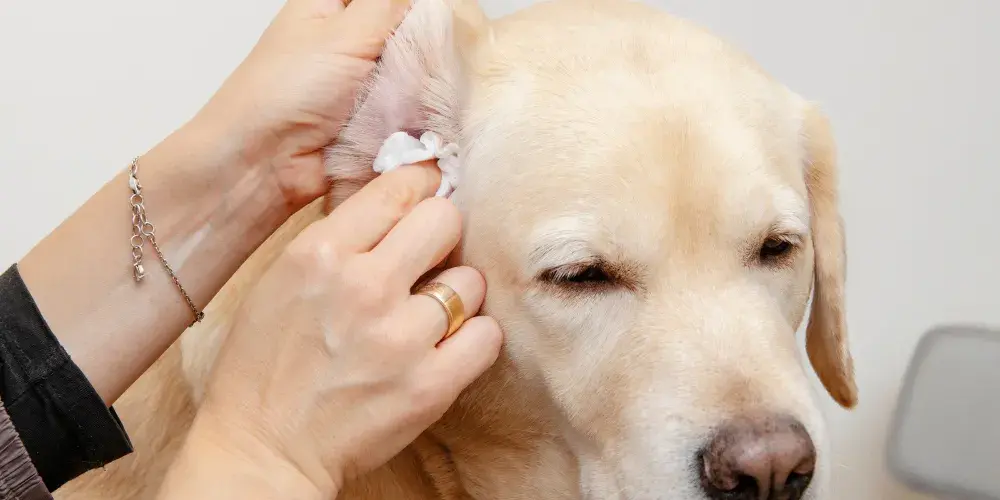
Dubai's climate plays a significant role in the number of ear infections veterinarians diagnose every year.
Warm temperatures, humidity, frequent bathing, beach visits, swimming pools, and outdoor adventures all increase moisture inside the ear canal. Moisture trapped in the ear encourages bacteria and yeast to grow, especially in dogs with floppy ears or those prone to allergies.
Many owners also bathe their dogs more frequently during the warmer months. While keeping your dog clean is important, water left inside the ears after bathing can become the starting point for an infection.
Dogs with long ear canals, thick hair inside their ears, or chronic skin allergies are particularly susceptible. Even perfectly healthy dogs can develop an ear infection if moisture remains trapped after swimming or grooming.
What Causes Ear Infections in Dogs?
Ear infections are usually the result of more than one contributing factor. Identifying the underlying cause is one of the most important parts of successful treatment because simply treating the infection without addressing the reason behind it often leads to repeated episodes.
Bacterial infections are among the most common causes. Healthy ears naturally contain small amounts of bacteria, but when moisture or inflammation changes the environment inside the ear, these bacteria can multiply rapidly and cause pain, redness, swelling, discharge, and an unpleasant smell.
Yeast infections are equally common. Yeast normally lives on your dog's skin, but when conditions become warm and moist, it can overgrow quickly. Dogs with allergies frequently develop recurring yeast infections because chronic inflammation alters the normal balance inside the ear canal.
Ear mites are another possible cause, although they are more commonly seen in puppies and cats. These tiny parasites create intense itching and often produce a dark, coffee-ground-like discharge.
Allergies are one of the biggest reasons some dogs experience repeated ear infections. Environmental allergies caused by pollen, dust, mould, or grasses, as well as food allergies, often lead to chronic inflammation inside the ears. Unless the allergy itself is managed, infections tend to return.
Foreign objects such as grass seeds, sand, dirt, or plant material may also become lodged inside the ear canal, causing irritation and creating an opportunity for bacteria or yeast to invade damaged tissue.
Which Dogs Are More Likely to Develop Ear Infections?
Although every dog can develop an ear infection, some breeds naturally have a higher risk because of the shape of their ears or their lifestyle.
Dogs with floppy ears often have reduced airflow inside the ear canal, allowing moisture to remain trapped. Popular breeds such as Cocker Spaniels, Basset Hounds, Golden Retrievers, Labrador Retrievers, Springer Spaniels, Cockapoos, and many Poodle mixes are frequently affected.
Poodles and Doodles also tend to grow hair inside their ear canals, which traps wax and debris. Labradors, on the other hand, simply love water, making swimming-related ear infections particularly common.
Age can also play a role. Puppies may develop infections from ear mites, while older dogs are more likely to experience chronic inflammation, allergies, or growths inside the ear canal.
Common Signs of an Ear Infection Every Owner Should Recognize
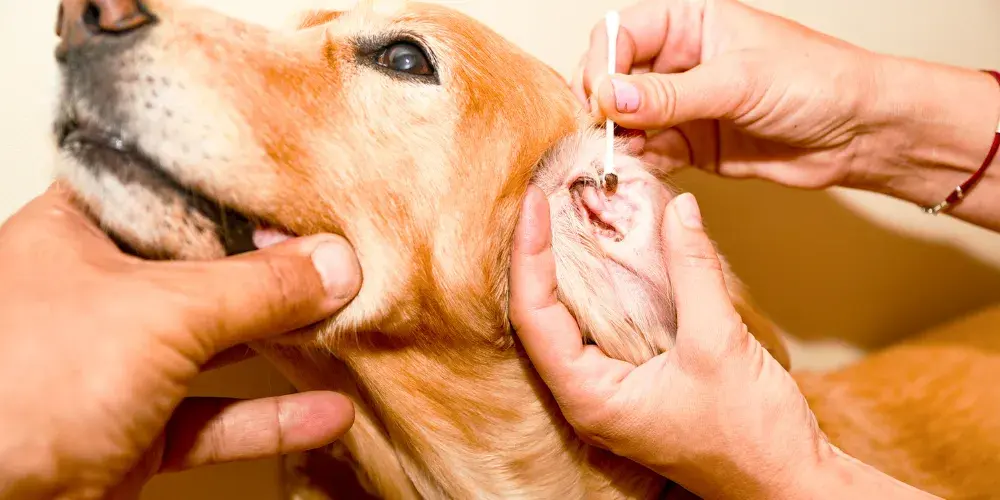
Most owners notice changes in their dog's behaviour before they actually look inside the ears.
Head shaking is usually the earliest sign. Your dog may shake their head repeatedly in an attempt to relieve irritation. Frequent scratching around the ears or rubbing the face against furniture or carpets is another common clue.
As the infection progresses, you may notice redness, swelling, increased wax production, unpleasant odour, yellow, green or dark brown discharge, and obvious discomfort when touching the ears.
Some dogs become unusually quiet because they are in pain, while others may cry when their ears are handled. More advanced infections can lead to head tilting, balance problems, hearing loss, or walking in circles if the infection spreads deeper into the ear.
One symptom owners frequently mention is a strong smell coming from the ear. A foul odour is often associated with bacterial or yeast overgrowth and should always be investigated by a veterinarian.
How We Diagnose Ear Infections at The Pet Vet

Treating an ear infection isn't simply about prescribing ear drops. The most effective treatment begins with finding out exactly what's causing the problem.
During your dog's examination, our veterinarians perform a thorough otoscopic examination to inspect the ear canal, assess inflammation, check for foreign bodies, and evaluate the eardrum whenever possible.
We also commonly perform ear cytology, one of the most valuable diagnostic tests for ear disease. A small sample of ear debris is collected and examined under a microscope to identify bacteria, yeast, inflammatory cells, or parasites. This allows us to choose the most appropriate medication rather than relying on guesswork.
For dogs with chronic or recurring ear infections, additional testing such as bacterial culture and sensitivity may be recommended to identify the exact organism involved and determine which antibiotics will be most effective.
In more complicated cases where middle or inner ear disease is suspected, advanced imaging may be necessary to evaluate structures that cannot be seen during a routine examination.
Accurate diagnosis is especially important because bacterial infections, yeast infections, ear mites, allergies, and foreign bodies all require different treatment approaches.
How Are Dog Ear Infections Treated?
Treatment always depends on the underlying cause, the severity of the infection, and whether the infection involves the outer, middle, or inner ear.
Professional ear cleaning is often the first step. Removing wax, debris, bacteria, yeast, and inflammatory material allows medications to reach the affected tissue more effectively and immediately improves your dog's comfort.
Most uncomplicated infections are treated using medicated ear drops. These medications may contain antibiotics, antifungal drugs, anti-inflammatory medications, anti-parasitic agents, or a combination of several ingredients depending on the diagnosis.
Some dogs also require oral medications, particularly when infections are severe, involve the middle ear, or are associated with widespread inflammation.
If allergies are contributing to repeated infections, long-term allergy management is equally important. Simply treating the infection without controlling the allergy often results in the problem returning weeks or months later.
Although uncommon, surgery may occasionally be recommended for dogs with severe chronic ear disease, narrowed ear canals, tumours, or infections that no longer respond to medical treatment.
The earlier treatment begins, the simpler and more successful it usually is.
Can You Treat an Ear Infection at Home?

It's understandable that many owners search online for home remedies, especially when symptoms first appear. However, this is one situation where home treatment can sometimes make things worse.
Household products such as vinegar, hydrogen peroxide, alcohol, coconut oil, or homemade cleaning solutions can irritate already inflamed tissue and may even damage the ear if the eardrum has ruptured.
Another challenge is that different ear infections require different treatments. A medication that works perfectly for a bacterial infection may do nothing for yeast, ear mites, allergies, or a foreign body lodged deep inside the ear canal.
For this reason, we always recommend having your dog's ears examined before starting treatment. Using the wrong medication not only delays recovery but may also allow the infection to spread deeper into the ear.
Once your veterinarian has diagnosed the cause, it's important to complete the full course of treatment, even if your dog's ears appear better after only a few days.
Preventing Ear Infections and Knowing When to Seek Help
Preventing ear infections is often much easier than treating recurring ones.
Regular ear checks at home allow you to spot redness, unusual discharge, unpleasant smells, or excessive scratching before the problem becomes severe. Dogs that swim frequently or are bathed often should have their ears gently dried afterwards using veterinarian-approved methods.
Routine ear cleaning can also help, but it's important not to over-clean. Excessive cleaning may irritate the ear canal and remove the protective layer that keeps the ear healthy. Your veterinarian can recommend how often your individual dog should have their ears cleaned based on their breed, lifestyle, and medical history.
Managing allergies is another essential part of prevention. Many dogs with recurring ear infections actually have underlying allergic skin disease, and controlling that condition significantly reduces future flare-ups.
If your dog develops sudden balance problems, severe head tilt, facial paralysis, continuous crying from pain, or appears unable to hear, seek veterinary attention immediately. These signs may indicate that the infection has reached the middle or inner ear and requires urgent treatment.
At The Pet Vet Veterinary Clinic in Nad Al Hamar, we believe that early diagnosis is the key to preventing chronic ear disease. If you've noticed even mild symptoms, it's always better to have your dog's ears checked before the infection becomes more serious. Prompt treatment not only relieves pain quickly but also helps protect your dog's hearing, balance, and long-term ear health.
Frequently asked questions
How do I know if my dog has an ear infection?
Common signs include head shaking, scratching at the ears, a bad smell, redness, swelling, discharge, pain when touching the ears, or rubbing the head against furniture. If you notice any of these symptoms, it's best to have your dog examined by a veterinarian.
Can a dog ear infection go away without treatment?
In most cases, no. Ear infections usually worsen over time and can spread from the outer ear into the middle or inner ear if left untreated. Early veterinary treatment helps prevent complications.
Why does my dog's ear smell bad?
A strong or unpleasant odour is often caused by bacteria or yeast overgrowth inside the ear canal. It is one of the most common signs of an ear infection and should be investigated promptly.
Are some dog breeds more likely to get ear infections?
Yes. Dogs with floppy ears, lots of hair inside their ear canals, or those that swim frequently are generally at higher risk. Breeds such as Labradors, Cocker Spaniels, Golden Retrievers, Basset Hounds, Springer Spaniels, and Poodles commonly experience ear problems.
How can I prevent recurring ear infections?
Regular ear checks, appropriate ear cleaning with veterinarian-approved products, drying the ears after swimming or bathing, managing allergies, and scheduling routine veterinary check-ups are the best ways to reduce the risk of recurring infections.
Written by
The Pet Vet Team
Subscribe to Our Newsletter
Sign up for weekly pet health tips and insights from our veterinarians.