Hot Spots on Dogs in Dubai
 The Pet Vet Team
Discover everything dog owners in Dubai need to know about hot spots in dogs. Learn the causes, symptoms, treatment options, recovery time, and prevention tips from the veterinary team at The Pet Vet Veterinary Clinic in Nad Al Hamar.

Hot Spots on Dogs: The Complete Guide for Dog Owners in Dubai
If you've ever noticed your dog constantly licking one spot on their body only to discover a large, red, wet sore a few hours later, you've likely encountered one of the fastest-developing skin conditions in dogs: a hot spot.
At The Pet Vet Veterinary Clinic in Nad Al Hamar, Dubai, hot spots are among the most common skin problems we treat, particularly during the warmer months when humidity, swimming, allergies, and outdoor activities become part of everyday life.
Many owners are surprised at just how quickly these sores develop. A tiny itchy patch in the morning can become a painful wound by the evening, leaving your dog uncomfortable and distressed.
The good news is that hot spots respond very well to veterinary treatment when caught early. Even better, understanding what causes them can help prevent them from returning.
In this guide, we'll explain everything you need to know about hot spots in dogs, including why they happen, how to recognise the signs, the treatment options available, and what you can do to keep your dog's skin healthy all year round in Dubai's unique climate.
What Are Hot Spots in Dogs?
Hot spots, also known as acute moist dermatitis or pyotraumatic dermatitis, are areas of inflamed, infected skin that develop incredibly quickly. Unlike many skin conditions that appear gradually, a hot spot can go from a small irritation to a large, painful lesion within just a few hours.
These sores are usually bright red, moist, warm to the touch and extremely itchy. As your dog licks, scratches or chews the irritated area, the skin becomes damaged. This creates the perfect opportunity for bacteria that normally live harmlessly on the skin to invade deeper tissues, leading to infection.
Once this cycle starts, it feeds itself. The irritation causes licking, the licking damages the skin, the damaged skin becomes infected, and the infection makes the area even itchier. Without treatment, the lesion often continues to grow.
Why Are Hot Spots So Common in Dubai?
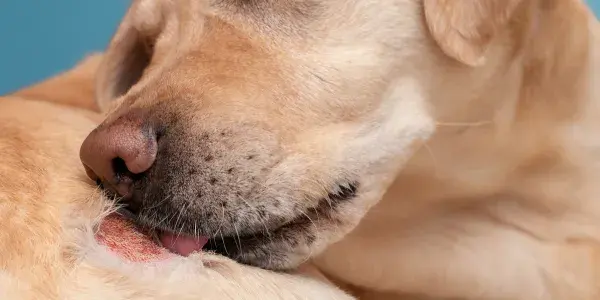
Dubai's climate creates several conditions that can increase the likelihood of hot spots developing.
Many dogs enjoy swimming in pools, visiting dog-friendly beaches, spending time outdoors, or simply living in a warm and humid environment. While these activities are great for exercise and enrichment, moisture trapped beneath the coat provides ideal conditions for bacteria to multiply.
Humidity, seasonal allergens, dust, sand, and year-round exposure to environmental irritants can all contribute to itchy skin. Dogs naturally try to relieve that irritation by licking themselves, but unfortunately, this often makes the problem worse.
At The Pet Vet, we commonly see hot spots during the hotter months, especially in breeds with thick or long coats that retain moisture close to the skin.
What Causes Hot Spots?
One of the biggest misconceptions is that hot spots appear for no reason. In reality, they almost always develop because something else caused your dog to start scratching or licking.
Finding and treating that underlying cause is just as important as treating the sore itself.
The most common triggers include allergies, flea bites, ticks, mites, poor grooming, trapped moisture, small cuts, insect bites, ear infections, behavioural issues such as anxiety or boredom, and even pain from arthritis.
Dogs suffering from allergies are particularly vulnerable. Environmental allergens like pollen, grasses, mould spores and dust mites are common throughout the UAE, while food allergies can also lead to chronic itching. Even a single flea bite may trigger an intense allergic reaction in sensitive dogs.
Sometimes the trigger is much less obvious. A dog with arthritis may repeatedly lick a painful elbow or hip, eventually creating enough skin damage for a hot spot to develop. Similarly, dogs with ear infections often scratch around their ears and neck, resulting in sores in those areas.
Signs Your Dog May Have a Hot Spot
Most owners first notice their dog paying unusual attention to one area of the body. Constant licking, chewing or scratching is often the earliest warning sign.
Soon afterwards, you'll typically see a round or irregular patch of skin that looks raw and inflamed. The hair may have fallen out or become stuck together with moisture, and the sore may ooze fluid or develop a sticky discharge.
Your dog may seem restless, irritable or uncomfortable. Some dogs cry when the area is touched, while others struggle to settle because they feel compelled to keep licking.
Common symptoms include excessive licking, chewing or scratching, redness, swelling, hair loss, moist skin, discharge, unpleasant odour, pain, crusting and visible irritation.
Because hot spots can spread so rapidly, it's always best to have them examined by a veterinarian as soon as possible.
Why You Shouldn't Ignore a Hot Spot
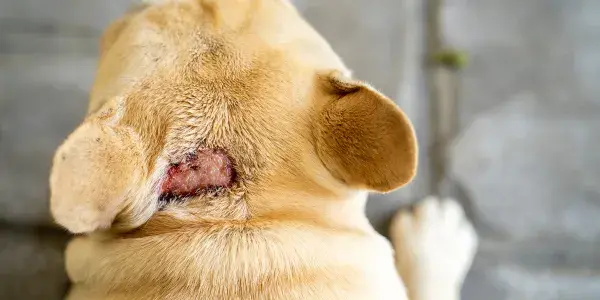
One of the defining characteristics of hot spots is how quickly they can worsen.
A lesion that starts out the size of a coin can become several times larger within a single day if your dog continues scratching. Every lick causes additional trauma, allowing bacteria to spread deeper into the skin.
Many owners try home remedies first, hoping the irritation will settle on its own. Unfortunately, delaying treatment often means the infection becomes more severe, making recovery longer and more uncomfortable for your pet.
Early veterinary care usually results in faster healing, less discomfort and a lower chance of recurrence.
How We Diagnose Hot Spots at The Pet Vet
Although hot spots have a distinctive appearance, diagnosing them involves much more than simply looking at the sore.
At The Pet Vet Veterinary Clinic in Nad Al Hamar, we focus on identifying both the lesion and the reason it developed in the first place.
Your veterinarian will perform a full physical examination, paying close attention to your dog's skin, coat, ears and overall health. The location of the lesion often provides valuable clues about the underlying cause.
Depending on the individual case, we may recommend skin cytology to identify bacteria or yeast, skin scrapings to check for mites, allergy investigations for dogs with recurring skin problems, or additional tests if an underlying medical condition is suspected.
Understanding why your dog developed a hot spot helps us create a treatment plan that reduces the likelihood of future episodes.
Treatment for Hot Spots in Dogs
Treating a hot spot involves much more than applying a cream.
The first priority is stopping the itch-scratch cycle that keeps the wound getting bigger.
In most cases, the surrounding hair is clipped away to improve airflow and expose the affected skin. Although owners are sometimes surprised by how much hair needs to be removed, this step is essential for proper cleaning and healing.
The area is then gently cleaned with veterinary-approved antiseptic solutions to remove bacteria, debris and discharge.
Depending on the severity of the infection, treatment may include antibiotics, anti-inflammatory medications, itch-relieving medications, topical sprays or creams, and medications aimed at the underlying cause, such as allergy management or parasite treatment.
Many dogs also need to wear an Elizabethan collar (E-collar) while they recover. It may not be their favourite accessory, but preventing licking is one of the fastest ways to help the skin heal.
Recovery and What to Expect
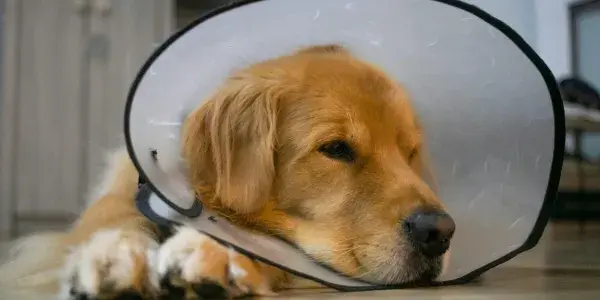
The encouraging news is that uncomplicated hot spots usually heal very well when treated promptly.
Many dogs begin showing noticeable improvement within just a few days. The redness decreases, the itching settles, and the skin starts drying and healing.
Most mild cases improve significantly within three to seven days, although more severe infections may require longer courses of medication. Hair generally grows back once the skin has fully recovered, although larger lesions may take several weeks to regain their normal appearance.
During recovery, it's important to follow your veterinarian's instructions carefully. Even if the sore looks much better, stopping medication too early or allowing your dog to start licking again can cause the problem to return.
Preventing Hot Spots Before They Start
The best treatment is always prevention.
Keeping your dog's skin healthy dramatically reduces the risk of future hot spots.
Regular grooming helps prevent mats that trap moisture close to the skin. Long-haired breeds benefit from frequent brushing, while professional grooming keeps thick coats manageable throughout the year.
After swimming, bathing or walks in the rain, always dry your dog's coat thoroughly. Moisture hidden beneath dense fur is one of the biggest contributors to bacterial skin infections.
Maintaining year-round flea and tick prevention is equally important, even if your dog spends most of its time indoors.
If your dog suffers from allergies, recurring ear infections or chronic itching, managing those conditions proactively can significantly reduce the chance of future hot spots. A balanced diet, regular exercise and mental stimulation also play an important role in maintaining healthy skin.
For dogs that repeatedly develop hot spots, your veterinarian may recommend a long-term skin management plan tailored to your pet's specific needs.
When Should You See a Veterinarian?

If you notice your dog obsessively licking one area of the body, don't wait to see if it gets better on its own.
Hot spots are one of those conditions where acting early makes a huge difference.
The sooner treatment begins, the easier it is to stop the infection, relieve your dog's discomfort and prevent the lesion from becoming much larger.
At The Pet Vet Veterinary Clinic in Nad Al Hamar, Dubai, our experienced veterinary team regularly diagnoses and treats hot spots, allergies, skin infections and other dermatological conditions in dogs. We use modern diagnostic tools to identify the underlying cause, allowing us to create personalised treatment plans that not only heal the current lesion but also help prevent future flare-ups.
If your dog has developed a red, painful or rapidly growing skin lesion, or if they're constantly licking, scratching or chewing at their skin, don't ignore it. Early veterinary care can make all the difference to your dog's comfort and recovery.
Frequently asked questions
How can I stop hot spots from coming back?
The key is identifying the underlying cause. Regular grooming, parasite prevention, allergy management, keeping the coat dry, treating ear infections promptly and scheduling regular veterinary check-ups all help reduce the risk of recurrence.
Which dogs are most likely to develop hot spots?
Any dog can develop a hot spot, but they are especially common in dogs with thick coats, allergies, flea sensitivity, ear infections, or those that swim frequently or live in humid environments like Dubai.
How quickly can a hot spot develop?
Hot spots can appear and expand within just a few hours. A small irritated patch in the morning may become a large, infected sore by the evening if your dog continues licking or scratching.
Are hot spots contagious to other dogs or people?
No. Hot spots themselves are not contagious. However, if the underlying cause is parasites such as fleas or mites, those parasites can spread and should be treated promptly.
Can hot spots heal without veterinary treatment?
Very mild cases occasionally improve, but most hot spots become worse because dogs continue licking and scratching the area. Veterinary treatment helps stop the cycle, control infection and speed up healing.
Written by
The Pet Vet Team
Subscribe to Our Newsletter
Sign up for weekly pet health tips and insights from our veterinarians.