
Heat Exhaustion vs. Heat Stroke in Dogs: How to Tell the Difference
 The Pet Vet Team
Not every overheated dog is having a heat stroke — but knowing the difference between heat exhaustion and heat stroke can genuinely change how you respond. This guide from The Pet Vet in Nad Al Hamar breaks down the signs of each stage, what treatment looks like for both, and how quickly one can turn into the other in Dubai's climate.
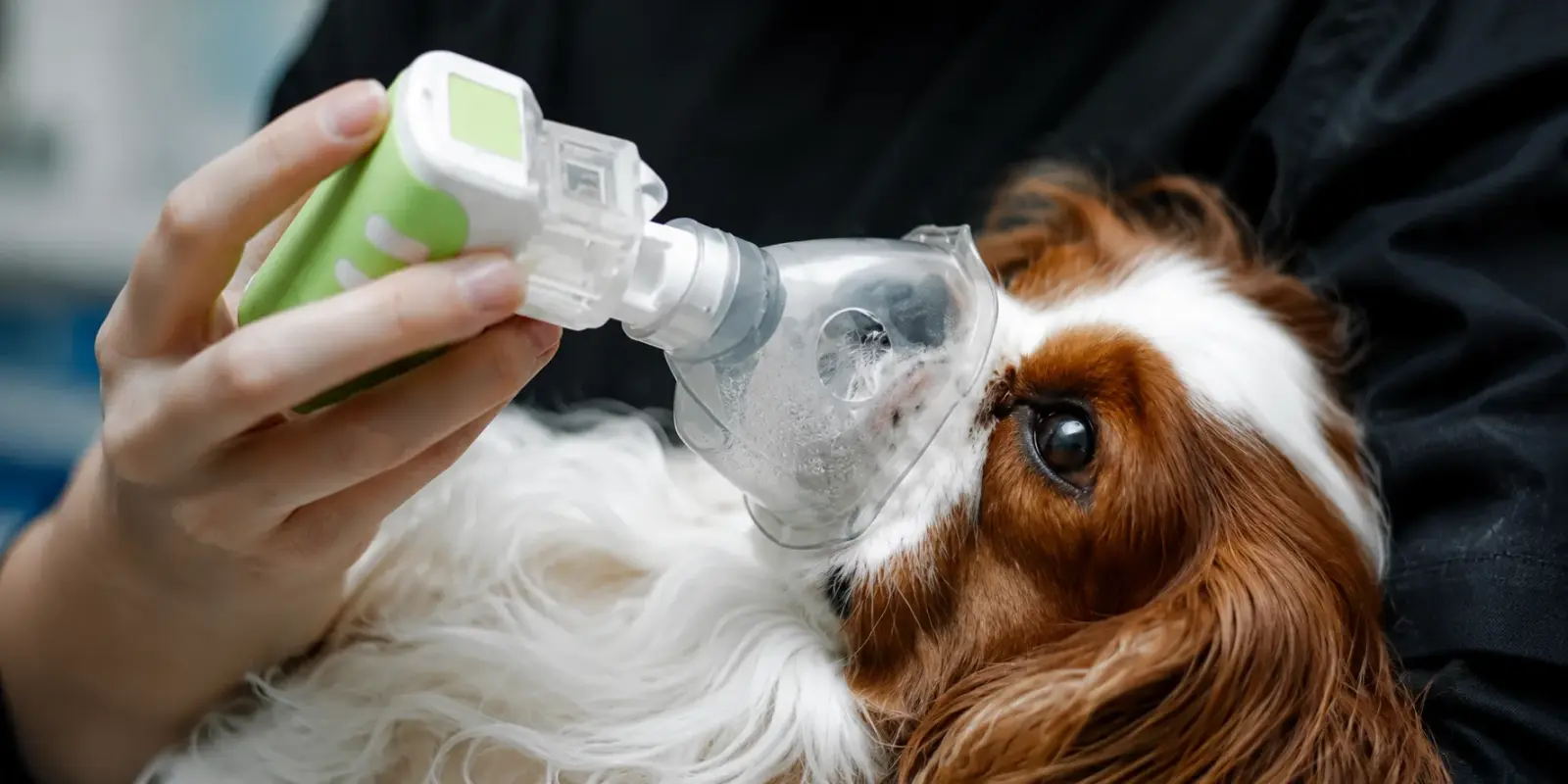
Heat Exhaustion vs. Heat Stroke: What's the Difference?
These two terms often get used interchangeably, but they describe genuinely different points on the same spectrum. Heat exhaustion is the earlier, milder stage — a dog's body temperature rises above normal but stays under the critical threshold, and with prompt cooling, most dogs bounce back within a fairly short window.
Heat stroke is what happens when that process isn't interrupted. Body temperature spikes into dangerous territory, cooling mechanisms essentially stop working, and internal organs — particularly the brain, kidneys, and liver — start sustaining real damage. The key distinction that matters most for owners: heat exhaustion is manageable with prompt home cooling and a vet check, while heat stroke is always a genuine emergency requiring immediate veterinary treatment.
What Causes Overheating in Dogs?
High environmental temperatures are the obvious trigger, but dogs struggle with heat for a structural reason too — they can't sweat the way people do, relying almost entirely on panting to cool down. On hot, humid days with little airflow, that single cooling method simply isn't enough.
Excessive exercise without breaks is another major factor, especially since dogs often don't recognize they're overheating until it's already underway. Poor ventilation compounds the risk considerably — crates, small rooms, and especially parked cars trap heat fast, and cracking a window isn't nearly enough airflow to offset an enclosed space heating up in direct sun.
Which Dogs Are Most at Risk?
Brachycephalic breeds like Shih Tzus, Cavalier King Charles Spaniels, Pugs, and Bulldogs face the highest risk, since their compact airways make panting — their primary cooling tool — significantly less effective. Thick-coated breeds such as Golden Retrievers and Chow Chows also struggle more, since coats built for insulation trap summer heat rather than releasing it.
High-energy breeds like Border Collies, Labrador Retrievers, and American Foxhounds are at risk for a different reason — they tend to push through exertion without pausing to cool down. Obesity adds strain on the heart and respiratory system, and puppies, senior dogs, and dogs with existing health conditions all have reduced capacity to regulate body temperature safely.
Signs of Heat Exhaustion (the Milder Stage)
Heat exhaustion tends to build gradually, and catching it here is genuinely the best-case scenario. Watch for:
- Heavy panting and thick drool
- Lethargy or reluctance to move
- Dark pink gums (still pink, not pale or blue)
- Restlessness or seeking out shade and cool surfaces
At this stage, a dog is uncomfortable and working hard to cool down, but their body is still managing the situation. This is exactly the window where moving them somewhere cool and offering water can prevent things from progressing any further.
Signs of Heat Stroke (the Severe Stage)
Heat stroke looks distinctly more alarming, and for good reason — this is where organ function starts to be genuinely threatened. Watch for:
- Body temperature climbing past roughly 40.5°C
- Disorientation, wobbliness, or confusion
- Collapse or loss of consciousness
- Seizures or tremors
- Pale, blue, or grey gums (rather than pink)
- Vomiting or diarrhea, sometimes with blood
Any of these signs means the situation has moved well beyond something to manage at home — immediate veterinary care is essential, not optional, regardless of how the dog seems a few minutes later.
How to Tell Which One You're Dealing With
The clearest distinguishing factor is severity and trajectory rather than any single symptom. A dog with heat exhaustion is panting hard, drooling, and tired, but responsive, aware of their surroundings, and generally improving once moved somewhere cool. A dog with heat stroke is disoriented, collapsing, or having seizures — clearly past the point where rest and water alone will fix things.
Gum color is one of the more reliable quick indicators: dark pink suggests exhaustion, while pale, blue, or grey suggests the more dangerous stage. If you're ever genuinely unsure which one you're looking at, treat it as heat stroke and act accordingly — erring toward urgency costs you very little, while underestimating a real heat stroke can cost a great deal.
What Do Vets Do for Dogs With Heat Exhaustion?
Even for milder cases, a vet visit is worth doing rather than skipping. Your vet will check temperature, hydration status, gum color, and overall responsiveness to confirm the episode really was exhaustion rather than an early heat stroke that hasn't fully declared itself yet.
Treatment for straightforward heat exhaustion is usually fairly simple — continued gradual cooling, oral fluids or electrolytes, and a period of rest in a cool environment. Your vet may also check bloodwork if there's any uncertainty about severity, just to rule out the internal effects that heat stroke can cause but exhaustion typically doesn't.
Emergency Treatment for Heat Stroke
If you suspect true heat stroke, move your dog to an air-conditioned room or shaded area immediately. Begin cooling gradually rather than aggressively — pour cool (not ice-cold) water over the belly, armpits, and paws, or use a damp sponge, and point a fan at them to support evaporative cooling. Avoid ice water entirely, since extreme cold can constrict blood vessels and actually slow the cooling process down.
If you have a pet thermometer, stop active cooling once temperature reaches around 39.4°C to avoid overcooling. Then head to a vet immediately, even if your dog seems to be improving — heat stroke can cause internal organ damage that isn't visible from the outside, and IV fluids and monitoring are often needed to support full recovery.
Recovery Time After Heat Exhaustion or Heat Stroke
Recovery timelines differ meaningfully between the two. Dogs with straightforward heat exhaustion often bounce back within a few hours to a day, once properly cooled and rehydrated, with no lasting effects in most cases.
Heat stroke recovery is a longer road. Mild cases may resolve within a few days, while more severe episodes involving organ stress can take a week or more, sometimes with follow-up bloodwork needed to confirm kidney and liver function have returned to normal. Throughout recovery, continued access to cool water, a comfortable resting space, and a gradual return to normal activity all support a smoother healing process.
Preventing Overheating in Dubai's Climate
Timing outdoor activity matters more than almost anything else. Use the five-second rule before any walk — press the back of your hand to the pavement, and if it's too hot to hold for five seconds, it's too hot for your dog's paws. Some vets also use the "150 rule" as a broader gauge: add the temperature in Fahrenheit to the humidity percentage, and a total over 150 signals conditions too extreme for strenuous exercise, a threshold Dubai crosses often in summer.
Keep water and shade available at all times, never leave a dog in a parked car even briefly, and consider cooling mats or cooling coats for particularly heat-sensitive breeds. Shortening walks, building in regular breaks, and shifting exercise to early morning or evening rounds out a solid summer routine.
A Quick Word From Our Team
If your dog is showing any signs of overheating — even if you're not sure whether it's exhaustion or something more serious — it's always worth a call. The team at The Pet Vet Veterinary Clinic in Nad Al Hamar can help you figure out what's going on and get your dog the right level of care quickly. When it comes to heat, acting fast is never the wrong move.
Frequently asked questions
Can heat exhaustion turn into heat stroke if left untreated?
Yes, and this progression can happen faster than owners expect, particularly in Dubai's combination of heat and humidity. This is exactly why heat exhaustion shouldn't be treated casually — prompt cooling at the first signs prevents it from escalating into a genuine emergency.
Is a dog's normal body temperature different from a human's?
Yes. A dog's normal temperature typically runs between about 37.5°C and 39.2°C, somewhat higher than a human's. This matters because what looks like a "high fever" by human standards can still be within a dog's normal range, while true heat stroke pushes well beyond it.
Can certain medications increase a dog's risk of overheating?
Some medications, particularly those affecting the heart, thyroid, or nervous system, can influence how well a dog regulates temperature. If your dog is on any regular medication, it's worth asking your vet whether extra summer precautions are warranted for their specific case.
Should I use a rectal thermometer to check my dog's temperature at home?
It can be genuinely useful during a suspected overheating episode, provided you can do it safely and calmly. If your dog is too distressed or it would delay getting help, don't let checking temperature hold up moving them to a cool space and seeking care.
How soon after heat exhaustion can my dog resume normal walks?
Most dogs can return to light activity within a day or two once fully rested and rehydrated, though it's worth easing back in gradually and monitoring closely during the first few outings. Your vet can advise on timing if the episode was more severe.
Written by
The Pet Vet Team
Subscribe to Our Newsletter
Sign up for weekly pet health tips and insights from our veterinarians.