Leptospirosis in Dogs in Dubai: Symptoms, Treatment, Prevention and Vaccination

If you're a dog owner in Dubai, you've probably heard about common health concerns such as ticks, fleas, kennel cough, and parvovirus. However, there is another disease that deserves attention, especially among active dogs that spend time outdoors: leptospirosis.
Leptospirosis is a serious bacterial infection that can affect dogs of all ages and breeds. Although it is less common in the UAE than in countries with wetter climates, it can still occur and may lead to severe kidney damage, liver disease, and life-threatening complications if not diagnosed and treated promptly. The disease is also considered zoonotic, which means it can potentially affect humans as well.
At The Pet Vet in Nad Al Hamar, we believe that informed pet owners make the best decisions for their pets. That's why we've created this guide to help you understand what leptospirosis is, how dogs become infected, what symptoms to watch for, and how vaccination and preventive care can help protect your companion.
What Is Leptospirosis?
Leptospirosis is caused by bacteria known as Leptospira. These spiral-shaped bacteria survive particularly well in warm, moist environments and are commonly found in the urine of infected animals. Once a dog is exposed, the bacteria can enter the bloodstream and spread throughout the body, affecting multiple organs and systems.
The kidneys and liver are often the primary targets, but the infection can also affect the lungs, eyes, blood vessels, and reproductive organs. The severity of the disease varies considerably. Some dogs may develop mild symptoms and recover quickly with treatment, while others can become critically ill within a short period of time.
One of the reasons leptospirosis can be challenging for pet owners is that the early signs are often vague. Many dogs initially appear tired, lose interest in food, or show mild gastrointestinal upset. Because these symptoms overlap with many other conditions, owners may not immediately realize how serious the infection can become.
Is Leptospirosis a Risk in Dubai?
Many people associate leptospirosis with tropical regions, heavy rainfall, and rural environments. While it's true that the bacteria thrive in wet conditions, the disease is not limited to those areas.
Dubai's climate is generally hot and dry, which naturally reduces environmental survival of the bacteria. However, urban environments still create opportunities for exposure. Standing water, irrigation systems, drainage areas, construction sites, rodent populations, and contaminated puddles can all contribute to transmission.
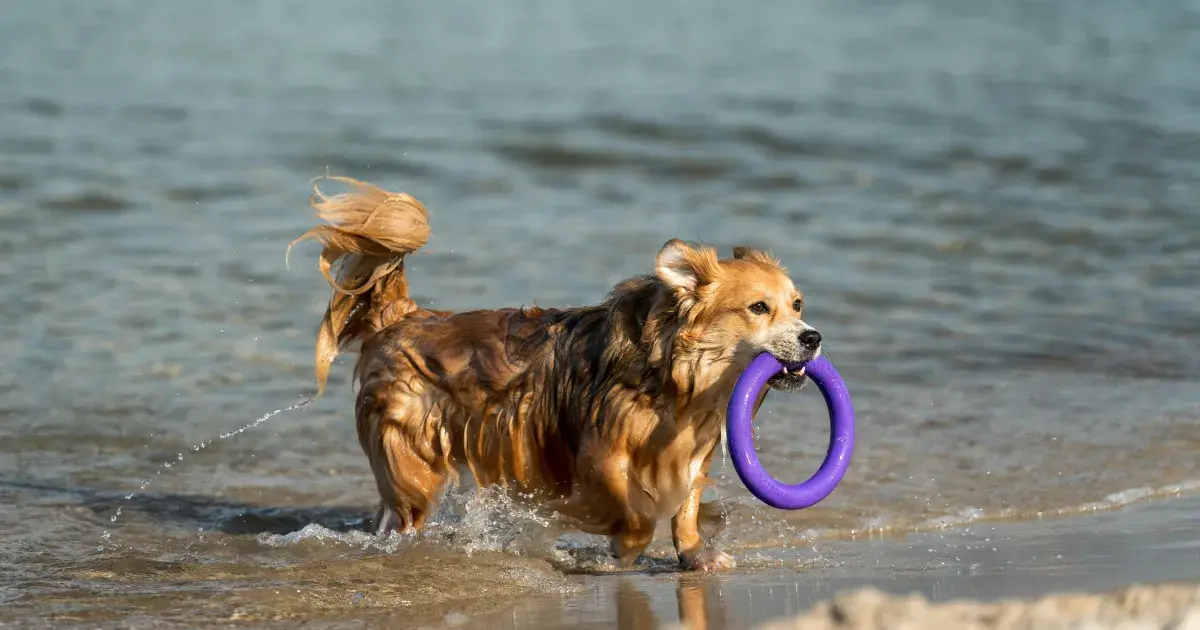
This is particularly relevant for dogs that regularly visit parks, beaches, dog-friendly communities, boarding facilities, training centers, or daycare environments. Exposure doesn't necessarily mean infection will occur, but it highlights why awareness remains important even in the UAE.
How Do Dogs Get Leptospirosis?
Most owners assume a dog must directly interact with a sick animal to become infected. In reality, leptospirosis is often acquired indirectly.
The bacteria are shed in the urine of infected animals. Once released into the environment, they can contaminate water sources, soil, grass, food, and various surfaces. Dogs become infected when the bacteria enter through the eyes, nose, mouth, or small breaks in the skin.
A simple walk can sometimes provide an opportunity for exposure. Dogs are naturally curious and often investigate puddles, damp grass, and unfamiliar scents. If those areas have been contaminated by infected wildlife or rodents, the risk increases.
Wild animals are known carriers of leptospirosis and can contaminate the environment without showing obvious signs of illness. Rodents, in particular, are considered an important source of infection in many parts of the world.
Leptospirosis may also spread through bite wounds from infected animals or, in rare cases, from an infected mother to her puppies during pregnancy.
Because exposure is often invisible, many owners cannot identify exactly where or when their dog encountered the bacteria.
Recognizing the Symptoms of Leptospirosis in Dogs
The symptoms of leptospirosis can vary significantly depending on the stage of the infection and which organs are affected.
Some dogs show mild symptoms initially, while others become severely ill within just a few days. What often concerns owners most is that their pet simply seems "different" or "not themselves."
Common signs of leptospirosis include:
- Lethargy and weakness
- Fever
- Loss of appetite
- Vomiting and diarrhoea
- Increased thirst
- Increased urination
- Muscle pain and stiffness
- Weight loss
- Abdominal discomfort
- Yellowing of the eyes, gums, or skin (jaundice)
- Difficulty breathing in severe cases
These symptoms occur because the infection triggers inflammation throughout the body and can significantly affect organ function.
Many pet owners first notice that their dog is sleeping more than usual, refusing food, or acting withdrawn. While these signs may seem minor at first, they should never be ignored when accompanied by vomiting, diarrhoea, fever, or changes in drinking habits.
Why Leptospirosis Can Be Dangerous
The reason veterinarians take leptospirosis so seriously is because of the damage it can cause internally.
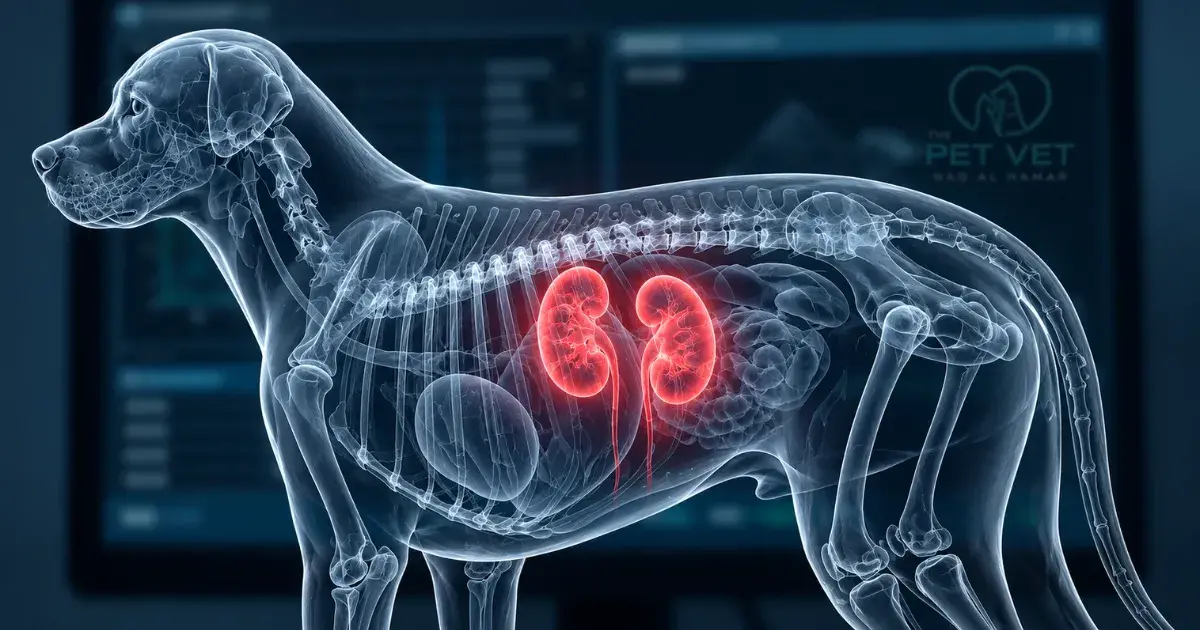
After entering the bloodstream, the bacteria spread rapidly and begin multiplying within the body. The kidneys are often among the first organs affected. Damage to the kidneys can impair their ability to filter waste products, leading to toxin accumulation in the bloodstream and potentially acute kidney failure.
The liver is another common target. Liver inflammation can lead to jaundice, digestive disturbances, clotting abnormalities, and long-term health issues if not treated effectively.
In severe cases, dogs may also experience respiratory complications, pulmonary hemorrhage, bleeding disorders, or inflammation affecting the eyes.
Without treatment, leptospirosis can become life-threatening. Fortunately, modern veterinary medicine provides effective treatment options when the disease is identified early.
How We Diagnose Leptospirosis at The Pet Vet
Diagnosing leptospirosis involves combining clinical findings with laboratory testing.
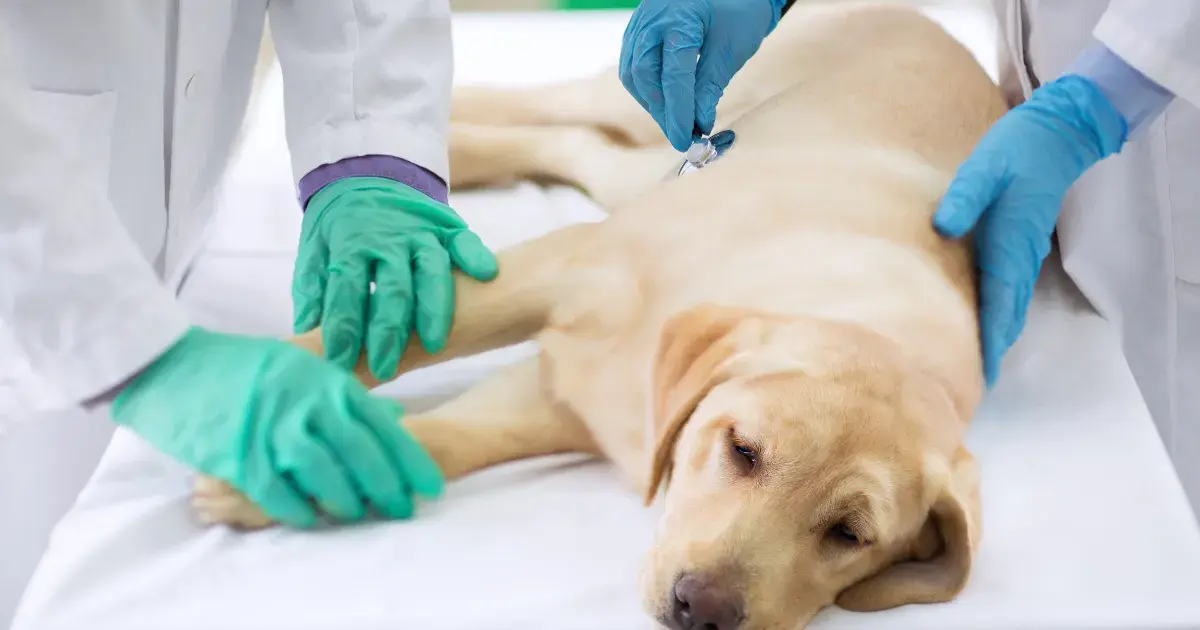
When a dog arrives at The Pet Vet with symptoms that may indicate leptospirosis, our veterinarians begin with a thorough examination and a detailed discussion about lifestyle, environment, travel history, and recent activities.
Blood tests often provide important clues by identifying abnormalities affecting the kidneys and liver. Urinalysis can reveal early kidney changes and help guide further investigation.
Additional testing may include PCR testing, which detects the DNA of Leptospira bacteria in blood or urine samples. PCR testing is particularly valuable during the early stages of infection.
We may also recommend a Microscopic Agglutination Test (MAT), which remains the gold standard for confirming exposure to leptospirosis. This test measures antibodies against the bacteria and helps establish whether an infection has occurred.
Accurate diagnosis is essential because many other illnesses can produce similar symptoms.
Treatment for Leptospirosis in Dogs
When leptospirosis is diagnosed or strongly suspected, treatment should begin as quickly as possible.
The primary objectives are to eliminate the bacteria, support affected organs, prevent complications, and reduce bacterial shedding into the environment.
Antibiotics form the foundation of treatment. During the acute phase of illness, many dogs require injectable antibiotics to rapidly control the infection. Once they begin eating and stabilizing, treatment often transitions to oral doxycycline, which helps eliminate bacteria that may remain within the kidneys.
However, antibiotics are only one part of the treatment process.
Many affected dogs require hospitalization and intensive supportive care. Intravenous fluid therapy helps correct dehydration, support kidney function, and remove toxins from the bloodstream. Veterinarians may also address electrolyte imbalances, nutritional deficiencies, nausea, and pain management.
In severe cases, oxygen therapy, blood transfusions, or advanced supportive treatments may be necessary.
Recovery and Long-Term Outlook
One of the most common questions owners ask is whether their dog will make a full recovery.
The prognosis depends heavily on how quickly treatment begins and how much organ damage has already occurred.
Dogs diagnosed early generally have an excellent chance of recovery. According to available veterinary data, survival rates for mild to moderate cases are encouraging when treatment is initiated promptly.
Recovery timelines vary. Some dogs improve within days, while others require weeks of treatment and monitoring. Patients that develop significant kidney or liver damage may need ongoing management even after the infection itself has been eliminated.
Follow-up blood work is often recommended to ensure that organ function continues to improve during recovery.
The Role of Vaccination
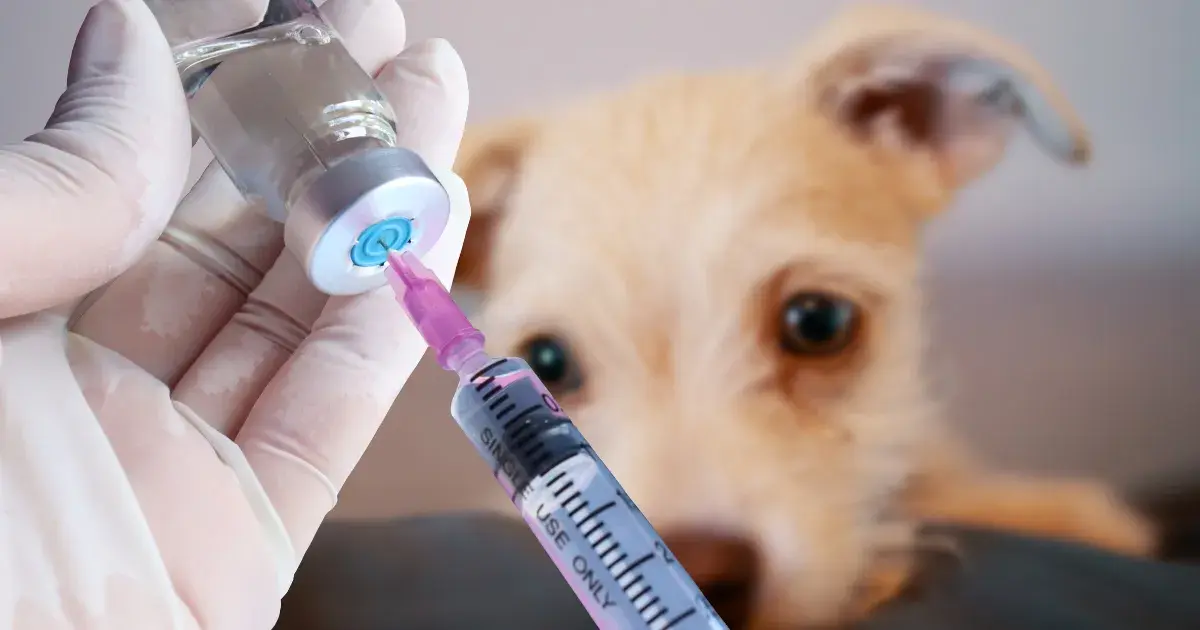
For many dogs in Dubai, vaccination provides an additional layer of protection against leptospirosis.
Unlike core vaccines that are recommended for virtually every dog, the leptospirosis vaccine is considered a lifestyle-based vaccine. This means the decision should be based on your dog's individual risk factors rather than a one-size-fits-all approach.
Dogs that spend significant time outdoors, visit parks frequently, attend daycare or boarding facilities, travel internationally, or have increased exposure to standing water may benefit from vaccination.
Modern leptospirosis vaccines are designed to protect against multiple strains of the bacteria. The initial vaccination protocol typically consists of two injections given several weeks apart, followed by annual boosters to maintain protection.
At The Pet Vet, we assess every dog individually and discuss the benefits and considerations of vaccination with pet owners before making recommendations.
Preventing Leptospirosis in Everyday Life
While vaccination is valuable, prevention also involves practical day-to-day decisions.
Try to prevent your dog from drinking from puddles, stagnant water, or other questionable water sources. Always carry fresh water during walks and outdoor activities.
Good hygiene is equally important. Cleaning water bowls regularly, maintaining clean living spaces, and minimizing rodent activity around homes and facilities can help reduce risk.
Routine wellness examinations remain one of the best tools for protecting your pet. Regular health checks allow veterinarians to identify early signs of disease before serious complications develop.
Most importantly, trust your instincts. If your dog appears unwell, seek veterinary advice sooner rather than later.
When Should You Contact a Veterinarian?
Any dog experiencing lethargy, fever, vomiting, diarrhea, increased thirst, jaundice, or sudden behavioral changes should be evaluated by a veterinarian.
Leptospirosis is a disease where timing matters. Early intervention often makes the difference between a straightforward recovery and a prolonged medical battle involving hospitalization and organ damage.
If you have concerns about leptospirosis, vaccination recommendations, or unusual symptoms in your dog, the team at The Pet Vet Veterinary Clinic in Nad Al Hamar is here to help.
Frequently asked questions
Can humans catch leptospirosis from dogs?
Yes. Leptospirosis is a zoonotic disease, meaning it can spread from animals to people through contact with contaminated urine or infected materials.
Is leptospirosis common in Dubai?
It is relatively uncommon compared to wetter climates, but cases can still occur due to exposure to contaminated water, rodents, wildlife, and infected animals.
Can indoor dogs get leptospirosis?
es. Even dogs that spend most of their time indoors can be exposed through contaminated environments, rodent activity, or contact with infected animals.
How quickly does leptospirosis become serious?
Some dogs can deteriorate rapidly within a few days. Early diagnosis and treatment significantly improve the chances of a successful recovery.
Should my dog receive the leptospirosis vaccine in the UAE?
The answer depends on your dog's lifestyle and risk factors. Your veterinarian can help determine whether vaccination is appropriate based on exposure risk and daily activities.